
Composite Deck Nosing Provides Professional Edge Finishing Solutions for Outdoor Decking Projects

Composite deck nosing is a crucial element in achieving a professional edge finishing solution for outdoor decking projects. It not only enhances the aesthetic appeal of the deck but also plays a pivotal role in ensuring safety and durability. Understanding the design aspects of wood plastic composite (WPC) profiles, including hollow and solid structures, rib designs, and surface patterns, can significantly influence the overall performance, cost, and installation of decking systems.
Design Considerations

WPC profiles can be categorized into hollow and solid structures, each offering unique advantages. Hollow profiles are lighter and often more cost-effective, making them easier to transport and install. However, solid profiles provide enhanced strength and stability, which can be particularly beneficial in high-traffic areas. The choice between these structures typically depends on the specific requirements of the project, including load-bearing capacity and environmental conditions.
Rib designs are another important consideration in WPC profile design. Incorporating ribs can increase the structural integrity of the profiles, reducing the likelihood of bending or warping under stress. This design element contributes to the overall strength of the deck, ensuring it can withstand weather changes and heavy usage. Additionally, rib designs can help in reducing material usage, which can further lower costs.
Surface patterns play a significant role in the performance of composite decking. Patterns not only enhance the visual appeal but also impact slip resistance and maintenance requirements. Textured surfaces can provide better traction, making them safer for outdoor use, especially in wet conditions. Moreover, certain surface patterns can help conceal dirt and wear, contributing to a lower long-term maintenance cost.
Cost and Installation Performance
The choice of WPC profile design directly influences the cost of materials and installation. Hollow structures are generally less expensive, while solid profiles may incur higher upfront costs but provide long-term savings due to their durability. Additionally, the complexity of rib designs and surface patterns can affect manufacturing costs, which in turn impacts the final pricing for consumers.
Installation performance is another critical factor. Lighter profiles can simplify the installation process, reducing labor costs and time on-site. However, the increased weight of solid profiles may require additional support during installation, potentially increasing labor costs. Understanding these dynamics is essential for project planners to balance budget constraints with performance requirements.
FAQ
Q: What are the benefits of using composite deck nosing?
A: Composite deck nosing enhances safety, improves aesthetics, and offers durability for outdoor decking projects.
Q: How do rib designs affect the strength of WPC profiles?
A: Rib designs increase structural integrity, helping to prevent bending or warping under stress.
Q: Why is surface pattern important in composite decking?
A: Surface patterns enhance slip resistance and can reduce maintenance costs by hiding dirt and wear.
Related Articles
 14' Composite Deck Boards Provide Long Length Options for Large Outdoor Decking Installations
 5m Long Composite Decking Boards Reduce Installation Joints for Spacious Outdoor Deck Areas
 WPC DIY Decking Provides Easy Installation Solutions for Homeowners Creating Outdoor Living Areas
 wpc wall cladding price philippines helps customers understand market costs for outdoor facade solutions
Related Products
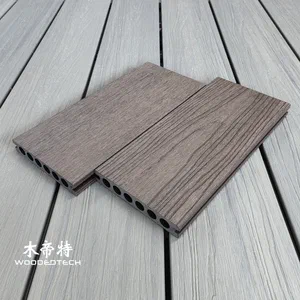 3DGD13823 Second Generation 3D Embossed Rosewood Composite Balcony Decking Delivers Ultra Realistic Wood Grain Texture and a Premium Natural Wood Experience
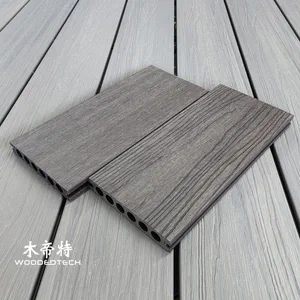 3DGD13823 Second Generation 3D Embossed Walnut WPC Decking Combines Ultra Realistic Wood Grain Texture with the Natural Beauty of Walnut for Outdoor Spaces
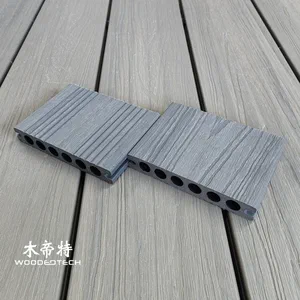 GD13823-3 Light Grey Premium Co Extrusion WPC Composite Decking Offers LG Texture and Excellent UV Resistance for Outdoor Spaces