
Composite Deck Material Cost: Key Factors for B2B Procurement and Budgeting
:::writing{variant=“document” id=“58391” title=“Composite Deck Material Cost: Key Factors for B2B Procurement and Budgeting”} Composite deck material cost depends on more than the unit price of boards. For overseas buyers sourcing WPC decking, a reliable budget must consider raw materials, production quality, specifications, customization, logistics, and long-term performance. Choosing the right supplier helps control costs while avoiding quality problems.
Main Factors Affecting Composite Deck Material Cost
The first cost factor is the WPC formula and manufacturing process. Composite decking made with higher-quality wood fibers, recycled polymers, additives, and protective layers usually has a higher factory price but offers better durability, color stability, and weather resistance. For commercial projects, buyers should compare material composition instead of selecting only the lowest quotation.
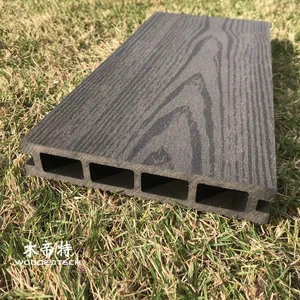
Product structure also influences pricing. Solid composite decking generally costs more than hollow profiles because it uses more material and provides higher load capacity. Surface treatments such as wood grain embossing, co-extrusion layers, and UV-resistant finishes can increase costs but improve appearance and service life.
- Deck profile: solid, hollow, or reinforced structure
- Surface treatment: brushed, embossed, capped, or co-extrusion technology
- Board size and thickness
- Color options and custom designs
- Required testing standards and certifications
Evaluating WPC Suppliers and Factory Capabilities
When purchasing from China or other manufacturing regions, overseas buyers should evaluate factories rather than trading companies only. A professional WPC manufacturer should have stable extrusion lines, quality control procedures, experienced technicians, and the ability to provide consistent production for bulk orders.
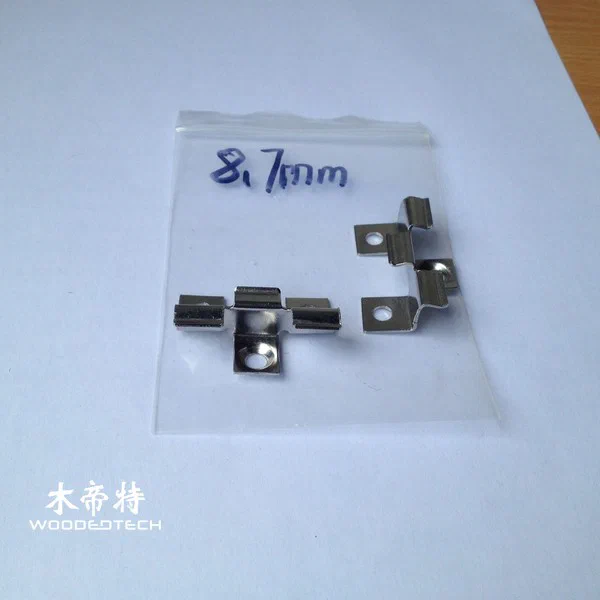
Before placing an order, buyers should confirm key specifications, including board dimensions, weight per meter, material ratio, installation system, packaging method, and production lead time. Requesting samples is essential to check surface texture, strength, color accuracy, and installation compatibility.
A dependable supplier will clearly explain cost differences between product options and provide transparent quotations. Hidden costs often appear when buyers fail to confirm accessories, mold fees, testing requirements, or customized packaging in advance.

Reducing Procurement Risks and Improving Budget Planning
B2B buyers should calculate total purchasing cost instead of focusing only on the factory price. Shipping expenses, import duties, local handling fees, installation accessories, and possible replacement costs all affect the final project budget.
Working with an experienced supplier can reduce risks through better quality control and production planning. Many professional manufacturers offer OEM services, customized profiles, and project-based recommendations to help buyers select suitable decking solutions for residential, commercial, and landscape applications.
A well-planned procurement process includes supplier verification, sample approval, specification confirmation, and quality inspection before shipment. This approach helps international buyers achieve predictable costs and stable product performance.
FAQ
Q: What is the biggest factor affecting composite deck material cost? A: Material quality, production technology, and product structure are the main factors. Higher-performance options such as capped or co-extrusion decking usually have higher costs.
Q: How can overseas buyers compare WPC suppliers? A: Buyers should review factory capability, production equipment, samples, quality control processes, and previous export experience before making a decision.
Q: Why should buyers avoid choosing the cheapest composite decking supplier? A: Low prices may indicate lower-quality materials, unstable production, or limited quality control, which can increase maintenance and replacement costs later.
:::
Related Articles
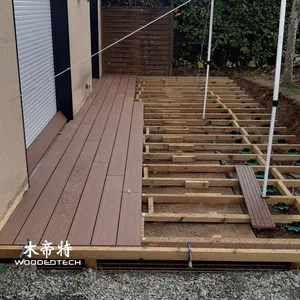
Related Products
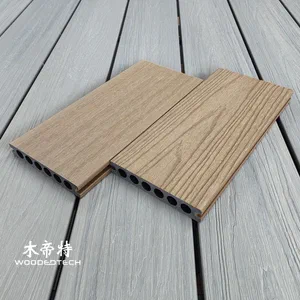 3DGD13823 Second Generation 3D Embossed Teak Decking Composite Material Features Ultra Realistic Wood Grain Texture for Elegant Outdoor Flooring
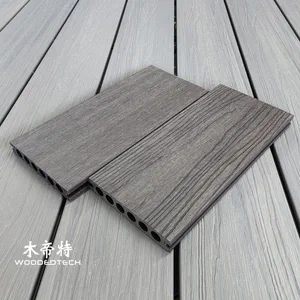 3DGD13823 Second Generation 3D Embossed Walnut WPC Decking Combines Ultra Realistic Wood Grain Texture with the Natural Beauty of Walnut for Outdoor Spaces
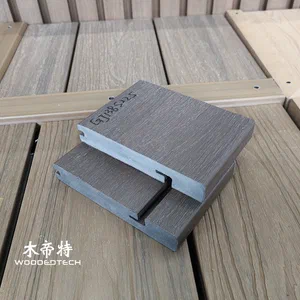 GD13822.5S Fully Capped Solid Starter Wood Polymer Composite Decking Provides a Stable Starting Structure for the First Decking Board