
Composite Deck for Above Ground Pool: Design, Materials, and Installation Considerations
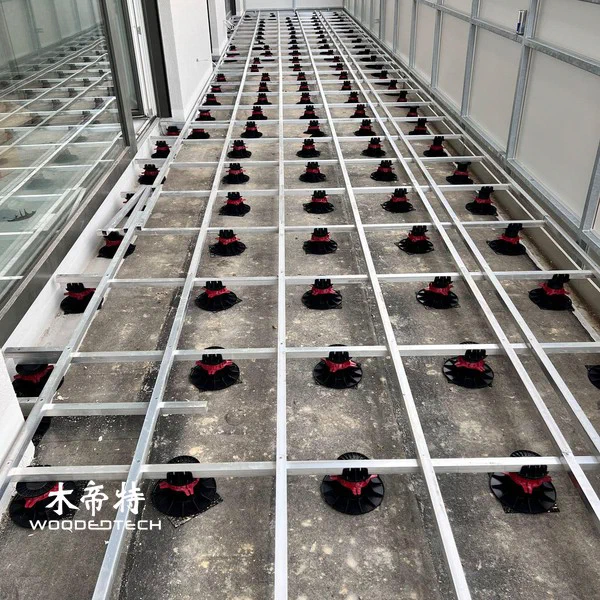
A composite deck around an above-ground pool creates a cleaner, more functional outdoor space while providing a practical alternative to traditional timber decking. With the right WPC decking materials, substructure, drainage design, and installation details, homeowners and commercial property developers can build an attractive pool surround that is comfortable to use and easier to maintain.
Why Choose Composite Decking for an Above-Ground Pool?
Above-ground pools often have exposed walls and relatively high entry points, making the surrounding deck an important part of the overall design. A well-planned composite deck can create a level walking area, provide space for poolside seating, and improve access through integrated steps or platforms.
Wood plastic composite (WPC) decking combines wood fibers with thermoplastics and additives. Compared with conventional timber, quality composite decking generally requires less routine maintenance, does not need regular staining or painting, and offers good resistance to moisture and weathering.
For poolside applications, material selection should focus on several practical properties:
- Moisture resistance: Choose decking designed for outdoor exposure and repeated contact with splashing water.
- Slip resistance: Select a textured surface that provides reliable traction when wet.
- UV resistance: UV-stabilized materials help maintain color and surface quality under direct sunlight.
- Dimensional stability: Quality boards should accommodate normal temperature changes without excessive deformation.
- Low maintenance: Capped composite decking can provide additional protection against stains and surface moisture.
It is important to remember that composite decking is not automatically waterproof or slip-proof. Product performance depends on its formulation, surface treatment, installation quality, and maintenance.
Choosing the Right Composite Decking Materials
Not all composite decking boards are suitable for swimming pool environments. Buyers should compare different product constructions before selecting materials for an above-ground pool project.
Uncapped composite decking is generally more economical and provides a natural wood-like appearance. However, its exposed composite structure may absorb more moisture than fully capped alternatives.
Capped composite decking features a protective polymer layer around the board. This outer layer can improve resistance to moisture, staining, fading, and everyday wear, making it a practical option for exposed poolside installations.
Co-extrusion decking is another option worth considering. Its protective outer layer is manufactured together with the composite core, creating a durable surface designed for demanding outdoor conditions. For projects exposed to strong sunlight, frequent splashing, and intensive use, this construction can offer useful performance advantages.
When evaluating suppliers, request technical information covering:
- Water absorption and weather resistance
- Slip-resistance test results
- UV aging and color stability
- Recommended joist spacing and load capacity
- Thermal expansion requirements
- Warranty coverage and maintenance instructions
For commercial swimming pools, hotels, and public recreation facilities, independently tested performance data should take priority over appearance alone.
Above-Ground Pool Deck Design Considerations
The deck layout should complement the pool’s shape, height, and surrounding landscape. There are several practical design approaches for residential and commercial projects.
Partial Pool Deck
A partial deck covers one section of the pool perimeter, usually around the ladder or main entrance. This arrangement is suitable for smaller residential gardens where available space or project budgets are limited. It provides convenient access without requiring a complete platform around the pool.
Full Perimeter Deck
A full perimeter deck surrounds the above-ground pool, creating a more integrated outdoor living area. It works particularly well in larger residential gardens, holiday properties, and hotels. Additional space can accommodate sun loungers, outdoor furniture, and designated circulation routes.
Raised Composite Pool Deck
For pools with higher walls, a raised platform can provide direct access at pool level. The supporting structure must be independently engineered to carry the combined loads of the deck, users, furniture, and other equipment. It should not rely on the pool wall for structural support unless the pool manufacturer explicitly approves that arrangement.
Multi-Level Pool Deck
Multi-level designs can separate different functional areas, such as pool access, seating, and outdoor dining. Composite boards in different colors can help define these zones while creating a coordinated appearance.
For hotels and commercial landscapes, designers should also consider accessible circulation, emergency access, handrails, and applicable building regulations.
Installation Requirements for Above-Ground Pool Decking
Correct installation is essential for long-term performance. Poolside decking experiences moisture, temperature fluctuations, and frequent foot traffic, so the supporting structure deserves as much attention as the boards themselves.

First, prepare a stable foundation. Depending on the project, this may involve concrete footings, ground screws, or another engineered support system. The substructure must be designed for the actual site conditions and expected loads.
Next, install suitable joists with spacing that follows the decking manufacturer’s specifications. Closer joist spacing may be necessary for higher loads or particular board profiles. Use corrosion-resistant structural fasteners and connectors suitable for outdoor environments.
Allow sufficient ventilation beneath the deck. Trapped moisture can affect the substructure and surrounding materials, even when the decking boards themselves have good moisture resistance. Maintain appropriate drainage slopes and avoid creating areas where water can collect.
When installing the composite boards, follow the manufacturer’s requirements for expansion gaps at board ends, edges, and fixed structures. Composite materials expand and contract with temperature changes, so insufficient clearance can cause buckling or distortion.
Finally, install suitable access steps, protective railings, and edge finishing. Pool entry points should be stable and easy to navigate, with slip-resistant surfaces and properly secured handrails where required.
Safety, Drainage, and Long-Term Maintenance
Poolside safety should be considered from the initial design stage. A textured composite surface can help improve traction, but no decking material eliminates the risk of slipping. Select products with relevant wet-slip test data and maintain the surface regularly.
Drainage is equally important. Water should flow away from the pool deck rather than accumulate beneath the boards or around the supporting structure. Provide sufficient gaps between boards and maintain clear drainage outlets. Avoid enclosing the underside without adequate ventilation.
For residential gardens, occasional cleaning with water and a soft brush is generally sufficient to remove dust, leaves, and everyday dirt. Commercial properties such as hotels and public swimming facilities may require more frequent inspections and cleaning because of higher foot traffic.
Inspect the installation periodically for loose fasteners, damaged boards, blocked drainage paths, and signs of structural movement. Also check that steps, railings, and access points remain secure.
Selecting a Reliable WPC Decking Supplier
For importers, distributors, landscape contractors, and project developers, choosing the right WPC manufacturer is an important part of project planning. A reliable supplier should offer outdoor decking profiles with documented technical specifications, consistent production quality, and installation guidance.
Look for manufacturers that provide multiple board dimensions, colors, surface textures, and construction options. Matching composite railing, stair components, and finishing accessories can also simplify procurement and create a consistent appearance across the installation.
For large hotel developments, swimming pool projects, and commercial landscapes, customized profiles and OEM manufacturing services may help meet specific design and technical requirements.
A well-designed composite pool deck combines appropriate materials, engineered structural support, effective drainage, and careful installation. By evaluating these factors before purchasing, project owners can create a practical poolside environment that looks attractive, performs reliably, and requires less routine maintenance than many traditional timber alternatives.
Related Articles
 Engineering Considerations for Composite Deck Around Inground Pool Projects
 Composite Deck Around Inground Pool: Materials, Benefits, and Installation Considerations
 Composite Decking Pool Solutions for Commercial Construction 2026
 Anti-Slip WPC Composite Pool Decking for Premium Safety and Durability
Related Products
 D15035 Hollow Square Hole WPC Deck Offers Double Grooved Surfaces with Unique Thickness Design for Outdoor Applications
 Y5030-2 Hollow Structure Composite Deck Joist Provides Lightweight Support for Modern Decking Projects
 Y6040S Extra Large Thick Solid I Shaped Composite Deck Joist Offers Strong Support for Outdoor Structures