
Composite Deck Dimensions Help Buyers Choose Suitable Board Sizes for Different Outdoor Flooring Projects

Choosing the right composite deck dimensions is crucial for ensuring that your outdoor flooring projects meet both aesthetic and functional requirements. Factors such as profile designs, hollow or solid structures, rib designs, and surface patterns significantly influence the overall performance, weight, cost, and installation of the decking.
Profile Designs and Structural Integrity
Profile design plays a pivotal role in determining the strength and stability of composite decking. Hollow structures, for instance, are lighter and often more cost-effective, making them ideal for residential applications. However, they may not always provide the same level of support as solid structures, which offer enhanced durability, especially in commercial settings. Solid profiles tend to withstand greater loads and resist wear over time, making them a smart choice for high-traffic areas.

Weight Considerations
Weight is another critical factor. Lighter hollow structures can simplify transportation and installation, reducing labor costs. However, it’s essential to balance weight with the desired strength and durability. Heavier solid profiles, while more challenging to handle, can provide longevity and better performance under stress. Understanding the specific needs of your project will help determine which option is best.
Rib Designs for Enhanced Performance
Rib designs within the decking profile contribute significantly to structural strength without adding excessive weight. Incorporating strategically placed ribs can improve load distribution and resistance to bending, which is particularly beneficial in wide spans. This design feature allows for thinner profiles while maintaining performance, making it easier to achieve the desired look without compromising integrity.
Surface Patterns and Aesthetic Appeal
Surface patterns not only enhance the visual appeal of composite decking but also influence functionality. Textured surfaces can improve slip resistance, an important consideration for outdoor spaces that may become wet. Aesthetic choices, such as wood grain finishes or embossed patterns, can also enhance the product’s marketability, attracting buyers looking for stylish yet functional outdoor flooring solutions.
Cost Implications
Cost is a significant consideration when selecting composite decking. While hollow profiles may offer lower initial costs, solid structures might provide better long-term value due to their durability. Additionally, the complexity of rib designs or surface patterns can affect manufacturing costs, impacting the final price. Buyers should evaluate the trade-offs between upfront costs and potential long-term savings based on wear and tear.
FAQ
Q: What are the benefits of using hollow composite decking?
A: Hollow composite decking is lighter and often more economical, making it easier to handle and install.
Q: How do rib designs affect decking performance?
A: Rib designs enhance load distribution and resistance to bending, allowing for thinner profiles without compromising strength.
Q: Why is surface texture important for outdoor decking?
A: Textured surfaces improve slip resistance, making outdoor spaces safer, especially in wet conditions.
Related Articles
 14' Composite Deck Boards Provide Long Length Options for Large Outdoor Decking Installations
 Composite Decking 5 Metre Lengths Provide Seamless Installation Options for Large Outdoor Areas
 Composite Decking Kits 4m x 4m Provide Complete Solutions for DIY Outdoor Deck Projects
 Composite Wood Decking Manufacturers Provide Professional Production and Export Services Worldwide
Related Products
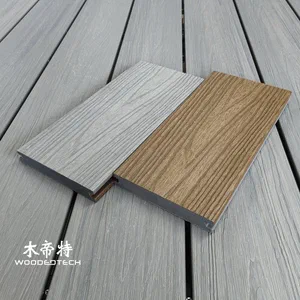 Second Generation Two Color Co Extruded 3D Embossed 3DGD14023S Composite Wood Deck Boards Feature an Extremely Realistic Antique Wood and Teak Grain Texture
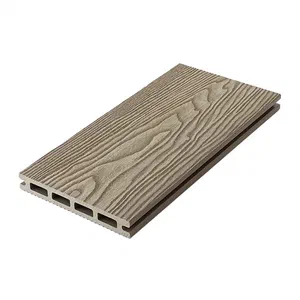 3D14521.5 First Generation 3D Embossed Plastic Wood Decking Boards Combine Realistic Three Dimensional Texture with Long Lasting Outdoor Performance
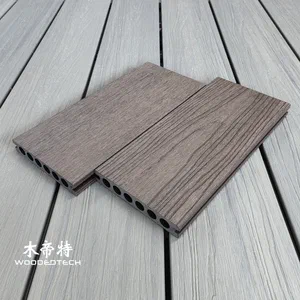 3DGD13823 Second Generation 3D Embossed Rosewood Composite Balcony Decking Delivers Ultra Realistic Wood Grain Texture and a Premium Natural Wood Experience