
Composite Deck Designs: Industrial Trends, Materials, and Applications
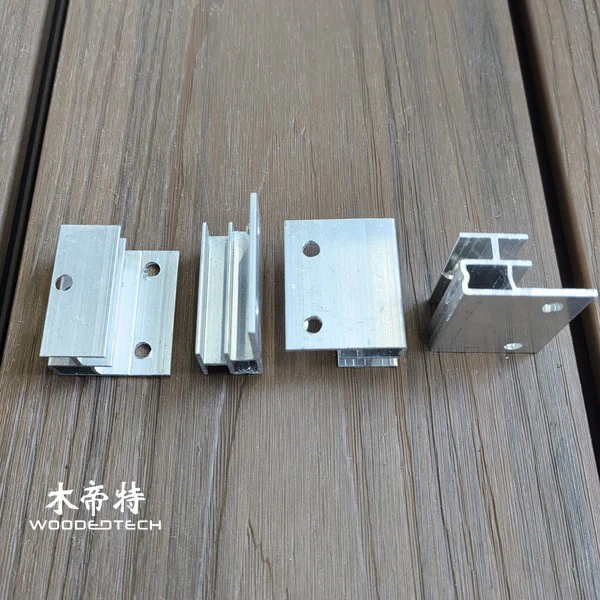
Composite deck designs are evolving as global buyers seek outdoor spaces that combine natural wood aesthetics, long-term durability, and lower maintenance requirements. Wood plastic composite (WPC) decking is increasingly used in residential patios, commercial hospitality projects, pool surrounds, balconies, and landscaped public areas, with design trends emphasizing realistic textures, coordinated colors, and integrated outdoor living features.
Industrial Trends Shaping Composite Deck Designs
Modern composite deck designs are moving beyond traditional rectangular boards and simple brown finishes. Buyers are showing interest in wide deck boards, subtle wood-grain embossing, contrasting borders, diagonal layouts, and mixed-width patterns that create visual depth. Gray, charcoal, teak, and warm natural wood tones support a range of architectural styles, from contemporary villas to commercial resorts. In larger projects, designers increasingly coordinate decking with composite fencing, exterior wall cladding, pergolas, privacy screens, and outdoor furniture to create a consistent appearance across the property.
Material innovation is another important trend. Capped composite decking features a protective outer layer designed to improve resistance to moisture, staining, and surface wear compared with many uncapped products. Co-extrusion technology can provide a durable outer shell with a consistent finish, while embossed surfaces help reproduce the appearance of natural timber. Manufacturers are also developing UV-resistant formulations, slip-resistant textures, and color options suited to different climates. Actual performance depends on the product formulation, surface design, installation method, and maintenance conditions.
Worked for a few seconds
Materials and Applications Across Outdoor Projects
Wood plastic composite decking typically combines wood fiber or wood flour with thermoplastics and additives. The balance of these ingredients influences strength, dimensional stability, surface appearance, and weather resistance. Hollow profiles can reduce material weight, while solid boards may suit applications requiring different structural characteristics. Buyers should evaluate load capacity, expansion allowances, drainage, slip resistance, fire performance where applicable, and warranty conditions before selecting a product. Independent test reports and compliance with destination-market building requirements are particularly important for commercial developments.
Composite decking also works as part of a broader outdoor materials portfolio. WPC wall cladding and decorative battens can complement deck surfaces on terraces and building facades, while composite fencing provides privacy around gardens, hotels, and residential communities. Pergolas, gazebos, planters, benches, and landscape screens extend the same material palette into outdoor leisure areas. For distributors and importers, offering coordinated product systems can create cross-selling opportunities and simplify procurement for contractors and project developers.
Future Market Opportunities for Manufacturers and Exporters
Several opportunities stand out for international suppliers. First, demand for low-maintenance outdoor materials creates potential in residential renovation, hospitality, and multi-unit housing projects. Second, recycled-content materials and more transparent environmental documentation can help suppliers meet procurement requirements, although sustainability claims should be supported by verifiable data. Third, customized colors, dimensions, surface treatments, and extrusion profiles allow manufacturers to serve regional preferences and differentiated architectural projects.

Exporters can also strengthen their market position through reliable technical support, consistent production quality, and well-documented installation guidance. Buyers often need clear information on board dimensions, substructure spacing, fastening systems, thermal expansion, packaging, container loading, and replacement-part availability. Regional adaptation matters: high UV exposure, coastal humidity, freeze-thaw cycles, and local fire regulations may influence product specifications and acceptance. Offering samples, test certificates, project references, and dependable lead times can help importers assess suppliers with greater confidence. The most relevant growth opportunities will depend on local construction activity, distribution networks, price competition, and regulatory requirements rather than a single global trend.
FAQ
Q: What are the main trends in composite deck designs?
A: Realistic wood-grain textures, natural colors, wide boards, mixed patterns, and coordinated outdoor living products are shaping current design choices.
Q: What should importers check when sourcing composite decking?
A: Review material composition, durability test results, slip resistance, UV performance, dimensional tolerances, installation requirements, and warranty terms.
Q: Which related products offer cross-selling opportunities?
A: WPC cladding, composite fencing, pergolas, railing systems, planters, and outdoor furniture can complement decking and support complete landscaping projects.
Related Articles
 Garden Composite Decking Creates Attractive Outdoor Spaces with Low Maintenance Performance
 1x6 plastic lumber offers versatile solutions for outdoor construction and landscaping projects
 Composite Decking Meaning: A Technical Guide for Industrial Buyers
 Composite decking vs merbau: A B2B Material Performance Review
Related Products
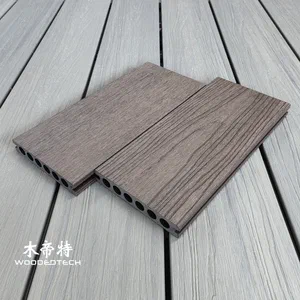 3DGD13823 Second Generation 3D Embossed Rosewood Composite Balcony Decking Delivers Ultra Realistic Wood Grain Texture and a Premium Natural Wood Experience
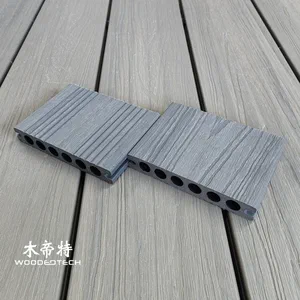 GD13823-3 Light Grey Premium Co Extrusion WPC Composite Decking Offers LG Texture and Excellent UV Resistance for Outdoor Spaces
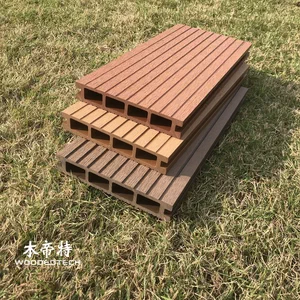 D14025-3 Square Hole Double Sided Grooved WPC Board Factory Producing Outdoor Decking Boards With Good Slip Resistance