
Composite Deck Cost vs Wood: A Comparative Analysis for Industrial Buyers in 2023
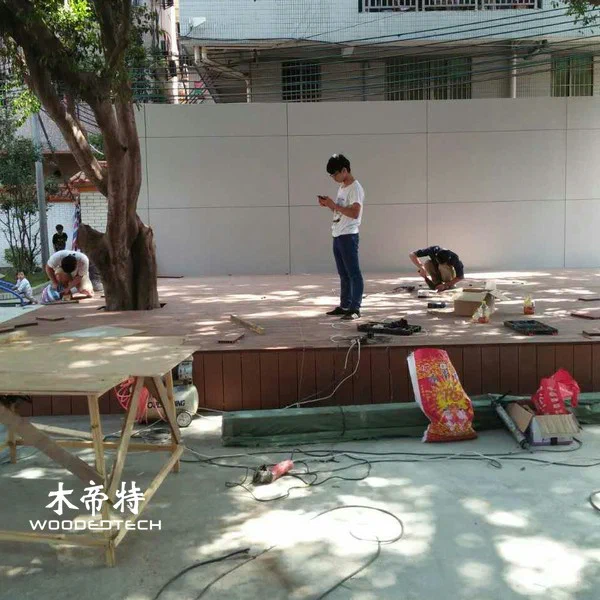
Outdoor WPC (Wood Plastic Composite) and traditional materials like natural wood, aluminum, and other exterior options each present unique characteristics for industrial buyers. This comparative analysis delves into the advantages and disadvantages of these materials, alongside their maintenance requirements and lifecycle costs, helping businesses make informed decisions.
Advantages of Outdoor WPC
WPC stands out with several compelling benefits. It is highly resistant to moisture, insects, and fading, which makes it a durable choice for outdoor applications. The material does not warp or splinter, enhancing safety and comfort for users. Additionally, WPC is available in various colors and textures, allowing for versatile design options that can mimic wood without its inherent drawbacks.
- Moisture and insect resistant
- No splintering or warping
- Versatile design options
- Low environmental impact
Disadvantages of Outdoor WPC
Despite its advantages, WPC does have some limitations. One primary concern is its initial cost, which can be higher than that of traditional wood. There is also the potential for fading over time, although quality products often mitigate this issue. Furthermore, WPC may not provide the same natural aesthetic appeal as genuine wood, which some buyers prefer.
- Higher initial investment
- Potential for fading
- Less natural aesthetic
Traditional Wood
Natural wood is a classic choice with its own set of benefits. It offers unparalleled aesthetic appeal and a warm, organic feel. Traditional wood is also widely available and can be more economical upfront than WPC. However, wood requires regular maintenance, including sealing and staining, to protect against the elements. It is susceptible to rot, insects, and warping, which can lead to additional costs over time.
- Attractive and warm appearance
- Lower upfront cost
- Requires regular maintenance
- Prone to rot and pest damage
Aluminum and Other Materials
Aluminum provides a modern alternative with its lightweight and corrosion-resistant properties. It requires minimal maintenance compared to wood and WPC. However, aluminum can also be more expensive, and its aesthetic may not appeal to all buyers. Other materials like concrete and stone offer exceptional durability but come with higher installation costs and potential cracking issues over time.
- Aluminum is lightweight and corrosion-resistant
- Minimal maintenance required
- Can be costly and less visually appealing
- Concrete and stone are durable but expensive
Maintenance Requirements
WPC’s maintenance is relatively straightforward, requiring only occasional cleaning with soap and water. In contrast, traditional wood necessitates regular staining, sealing, and inspections for pests. Aluminum and other materials typically demand less upkeep, making them attractive for those seeking low-maintenance solutions.

- WPC: occasional cleaning
- Wood: regular staining and sealing
- Aluminum: minimal upkeep
- Concrete/stone: durable but may crack
Lifecycle Costs
When evaluating lifecycle costs, WPC may present a higher initial investment but often leads to savings over time due to its durability and low maintenance needs. Traditional wood can be less expensive upfront but incurs ongoing costs for maintenance and replacement due to wear and tear. Aluminum and stone may offer longevity but at a premium price, leading to higher upfront lifecycle costs.
- WPC: higher initial cost, lower long-term maintenance
- Wood: lower upfront, higher ongoing maintenance
- Aluminum: high upfront, low maintenance
- Stone: high upfront, high durability but potential for cracking
Each material presents distinct advantages and disadvantages, making it essential for industrial buyers to consider their specific needs and budget. WPC emerges as a strong contender for those seeking a balance between aesthetics, durability, and maintenance, while traditional wood remains a beloved choice for its natural beauty.
Related Articles
 Composite Decking Pros And Cons Help Buyers Understand Performance And Application Benefits
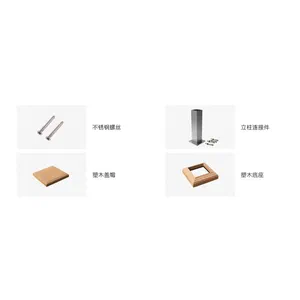 Composite Decking vs Wood Decking: Evaluating Long-Term Value for Industrial Applications
 Pros and Cons Of Composite Decking Help Customers Understand Performance and Applications Before Choosing
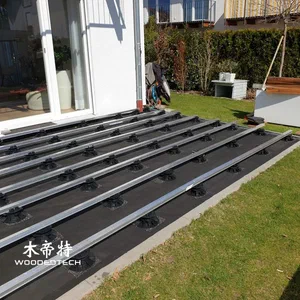 quality composite decking delivers reliable outdoor flooring solutions with long lasting performance
Related Products
 GD13820 M Shape Co Extruded Composite Deck Planks Feature a Special Profile Design for Distinctive Outdoor Decking Applications
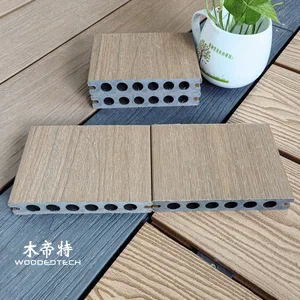 GD13823 Double Sided Flat Surface Co Extruded WPC Decking Features a Popular Width and Thickness with Round Hollow Structure
 GD13823-3 Composite Boards for Decking Are Available in Multiple Stock Colors with 3 Meter Lengths and Single Piece Delivery