
Composite Deck Cost Estimator: A Guide to Accurate Project Budgeting
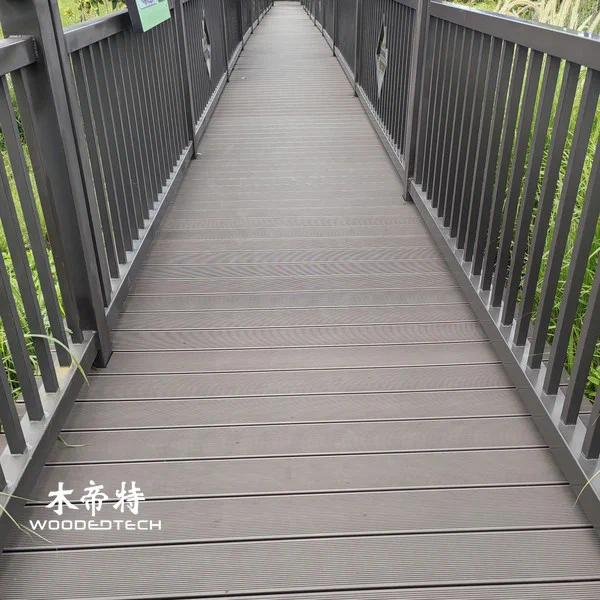
A composite deck cost estimator helps project owners, contractors, distributors, and developers calculate the expected investment in an outdoor decking project before purchasing materials. By considering decking boards, subframes, installation accessories, labor, transportation, and waste allowances, buyers can develop a realistic budget and avoid unexpected expenses during construction.
What Determines the Cost of Composite Decking?
The total cost of a composite deck depends on several factors, including material specifications, deck dimensions, installation conditions, and project requirements. Understanding these cost components is essential when comparing suppliers or preparing a quotation for a commercial or residential project.
The main cost factors include:
- Decking board material: Board composition, profile structure, surface treatment, and manufacturing quality influence the unit price.
- Deck dimensions: Larger decks require more boards, joists, fasteners, and supporting materials.
- Board design: Solid, hollow, and capped composite decking have different material requirements and price levels.
- Subframe structure: Aluminum or treated timber joists affect the overall structural budget.
- Installation accessories: Clips, screws, edge trims, fascia boards, and other finishing components add to the material cost.
- Labor and transportation: Local installation rates, shipping distance, and delivery conditions influence the final project expenditure.
For international buyers, it is also important to distinguish between factory prices and delivered project costs. A low ex-works price does not necessarily represent the lowest total investment once freight, import duties, customs clearance, and local distribution are included.
How to Calculate Your Composite Decking Material Requirements

Accurate quantity estimation is the first step toward reliable project budgeting. Before requesting a quotation, measure the proposed decking area and identify the required board specifications.
The basic calculation is:
Decking area = Length × Width
For example, a rectangular deck measuring 6 meters long and 4 meters wide has a total area of 24 square meters.
The next step is calculating the number of decking boards required. This depends on the effective board coverage, including the board width and installation gap.
A practical formula is:
Number of boards = Deck width ÷ Effective board coverage width
If a decking board has an effective coverage width of 145 mm, each linear meter of board covers approximately 0.145 square meters. For a 24-square-meter deck, the estimated board length requirement is:
24 ÷ 0.145 = approximately 165.5 linear meters.
This is a preliminary estimate. Actual quantities should account for deck orientation, cutting patterns, board lengths, perimeter details, and installation gaps.
Buyers should also include a material waste allowance. For straightforward rectangular layouts, an additional 5%–10% is a reasonable starting point. More complex designs with diagonal patterns, curved edges, or multiple corners may require a higher allowance.
Estimating Subframes, Fasteners, and Installation Accessories
Decking boards are only one part of the overall material budget. A complete composite deck requires a suitable supporting structure and compatible installation accessories.
Joist spacing should follow the decking manufacturer’s technical recommendations. For example, if a project uses a joist spacing of 300 mm, the supporting structure must be planned accordingly to provide adequate board support. Commercial applications and areas with heavier loads may require closer spacing or additional reinforcement.
Common supporting materials include:
- Joists: Aluminum or treated timber profiles used to support decking boards.
- Starter clips: Used to secure the first row of decking boards.
- Hidden fasteners: Maintain consistent spacing and create a clean surface without visible screw heads.
- End clips and screws: Secure board ends and connection points.
- Fascia boards: Cover exposed deck edges and improve the finished appearance.
- Stair components: Required when the deck includes steps or changes in elevation.
When preparing a wholesale quotation, manufacturers should provide a complete bill of materials rather than pricing decking boards alone. This helps distributors and contractors calculate the actual supply cost and reduces the risk of missing components during installation.
Comparing Composite Decking Quality and Price
Not all composite decking products offer the same performance or cost structure. Buyers should evaluate material quality alongside the initial purchase price.
Uncapped composite decking generally has a simpler surface structure, while capped composite decking features an additional protective outer layer. This protective layer can improve resistance to moisture, staining, fading, and everyday surface wear, depending on the product specification.
Co-extrusion decking is another option for projects requiring enhanced surface protection. Its outer layer is manufactured around the composite core, creating an integrated protective surface. This construction can be attractive for commercial developments, poolside areas, and outdoor spaces exposed to demanding weather conditions.
When comparing quotations, consider:
- Wood-plastic composite formulation and recycled material content.
- Board density, thickness, and profile structure.
- Surface texture and color consistency.
- UV resistance and moisture resistance.
- Slip-resistance test results.
- Warranty conditions and technical documentation.
A lower-priced product may reduce the initial material budget, but differences in durability, maintenance requirements, and warranty coverage can affect long-term ownership costs. Requesting technical datasheets and product samples is a practical way to compare suppliers before placing a bulk order.
Building a More Accurate Composite Deck Project Budget
A comprehensive budget should cover more than the cost per square meter of decking boards. Buyers should organize project expenses into several categories to make quotations easier to compare.
| Cost category | Items to include |
|---|---|
| Decking materials | Boards, fascia, stair boards |
| Supporting structure | Joists, beams, connectors |
| Installation accessories | Clips, screws, edge trims |
| Labor | Installation, cutting, preparation |
| Logistics | Packaging, freight, delivery |
| Additional expenses | Import duties, taxes, site preparation |
For international distributors and construction contractors, logistics deserves particular attention. Composite decking boards can occupy considerable container space, so packaging dimensions, loading efficiency, container capacity, and shipping terms can influence the final landed cost.
It is also useful to request quotations based on different order quantities. Manufacturers may offer different pricing structures for sample orders, trial containers, regular wholesale purchases, and large-scale project supply. Comparing these options helps buyers identify the most suitable purchasing arrangement.
Why Work with an Experienced WPC Decking Manufacturer?
Working directly with an experienced wood plastic composite decking manufacturer can simplify project planning and improve cost control. A reliable factory should provide clear product specifications, consistent manufacturing quality, installation guidance, and dependable supply capacity.
Manufacturing capabilities also matter when projects require specific colors, board dimensions, surface textures, or customized extrusion profiles. OEM and private-label services can help distributors develop product ranges that meet the requirements of their local markets.
Before confirming an order, buyers should request a detailed quotation covering product dimensions, unit pricing, minimum order quantities, packaging specifications, production lead times, and shipping arrangements. Technical information about expansion gaps, joist spacing, installation methods, and maintenance should also be available.
An accurate composite deck cost estimate starts with reliable measurements and a complete understanding of the materials involved. By evaluating product specifications, installation requirements, logistics, and supplier capabilities together, international buyers can prepare more dependable project budgets, compare quotations fairly, and select composite decking solutions that deliver value throughout their service life.
Related Articles

Related Products
 GD13823-3 Composite Boards for Decking Are Available in Multiple Stock Colors with 3 Meter Lengths and Single Piece Delivery
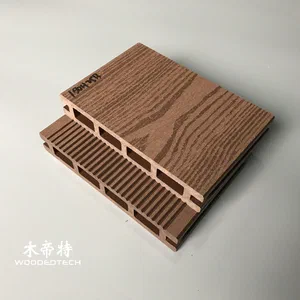 D15025-2 Classic Waterproof Insect Resistant Corrosion Resistant And Termite Resistant Composite Decking Types With Twenty Years Of Sales Experience
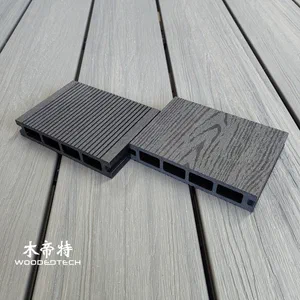 D14025-4 WPC Decking Boards Feature a Flat Wood Grain Surface with Black Ebony Heartwood Ring Grain for Outdoor Applications