
Composite Deck Cheap: A Cost-Effective Guide for B2B Buyers in 2026
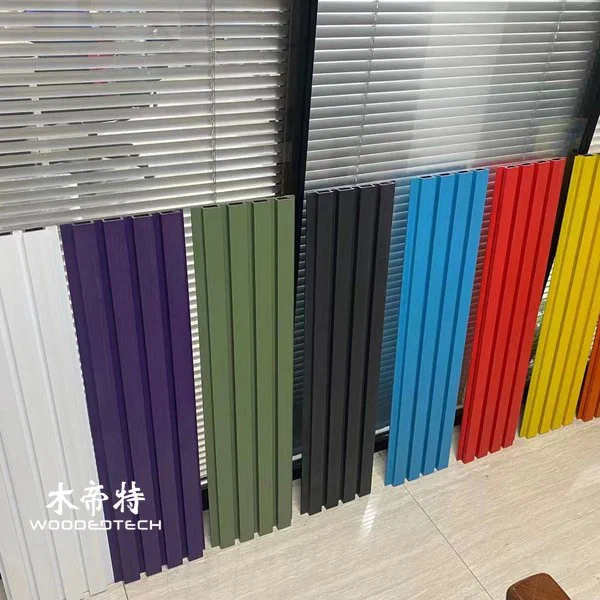
For B2B buyers, cheap composite decking is not simply the product with the lowest purchase price. The best-value option balances material cost, product quality, installation efficiency, and long-term maintenance expenses. In 2026, importers, distributors, contractors, and project developers can reduce procurement costs by comparing specifications, purchasing directly from manufacturers, and selecting the right wood plastic composite (WPC) decking for each application.
What Determines Composite Deck Cost in 2026?
Composite decking prices vary according to raw material composition, board structure, surface treatment, production technology, and order volume. Hollow composite deck boards generally use less material than solid boards, making them suitable for many residential and light commercial projects. Solid boards may be preferable where the application requires greater mass or specific structural characteristics, subject to the manufacturer’s load ratings and installation requirements.
Surface technology also affects pricing. Uncapped WPC decking is often an economical choice for budget-conscious projects, while capped composite decking features a protective outer layer designed to improve resistance to moisture, stains, and fading. Co-extrusion decking can cost more initially, but its enhanced surface protection may offer better value in demanding outdoor environments.
Other cost factors include board dimensions, color selection, packaging, shipping distance, import duties, and minimum order quantities. Buyers should compare quotations using the same specifications and delivery terms rather than judging suppliers by unit price alone.
How to Buy Cheap Composite Decking Without Sacrificing Quality
Direct sourcing is one of the most effective ways for wholesale buyers to control costs. Purchasing from a WPC factory can reduce intermediary markups and provide access to bulk pricing, custom colors, private-label packaging, and tailored product specifications. However, factory-direct purchasing is worthwhile only when production capacity, quality control, and export experience meet project requirements.
Before placing an order, request technical data covering board dimensions, weight, composition, water absorption, UV resistance, slip resistance, and applicable load performance. Ask for samples to assess surface texture, color consistency, edge quality, and dimensional accuracy. Where relevant, review independent test reports and confirm that performance claims apply to the specific product being purchased.
A reliable manufacturer should also provide installation instructions, compatible joists and fasteners, warranty conditions, and clear guidance on board spacing and thermal expansion. These details help reduce installation errors, material waste, and costly after-sales disputes.
Calculate the Total Cost of Ownership
The cheapest composite decking boards may not deliver the lowest installed cost. Buyers should account for the decking material, subframe, clips, fasteners, labor, cutting waste, transportation, and ongoing maintenance. Boards with inconsistent dimensions or poor surface quality can increase installation time and replacement expenses, even when their initial price is attractive.
For large projects, compare the cost per square meter of completed decking rather than the price per board. Request a bill of materials based on the intended deck area, including recommended joist spacing, accessories, and an appropriate allowance for cutting waste. Confirm whether quoted prices include export packaging, freight, insurance, and applicable taxes or duties.

For distributors, consistent product quality and dependable lead times also influence profitability. A manufacturer offering stable specifications, scalable production, and repeatable color matching can help reduce inventory risks and support long-term customer relationships. Selecting the right balance of price and performance allows B2B buyers to compete on value rather than relying exclusively on discounts.
FAQ
Q: What is the cheapest type of composite decking for wholesale buyers?
A: Hollow, uncapped WPC decking is often among the more economical options. Actual pricing depends on board specifications, order quantity, factory location, and shipping costs.
Q: Is cheap composite decking suitable for commercial projects?
A: Yes, provided the product meets the project’s requirements for load performance, slip resistance, weather exposure, and applicable building codes. Buyers should verify technical documentation before ordering.
Q: How can importers reduce composite decking procurement costs?
A: Compare factory-direct quotations, consolidate shipments, standardize specifications, and calculate total landed cost. Evaluate samples and quality-control procedures before committing to bulk orders.
Related Articles
Related Products
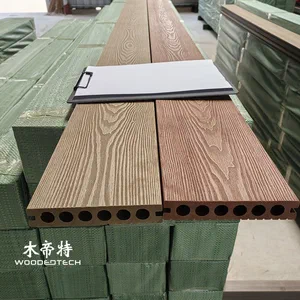
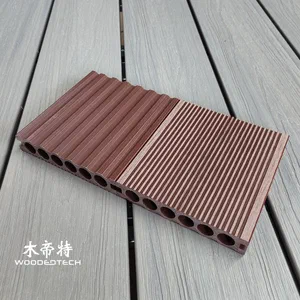 140-25 Double Wave Round Hole E Red Sandalwood Color Wood Polymer Decking Board With Affordable Price For Budget Engineering Projects
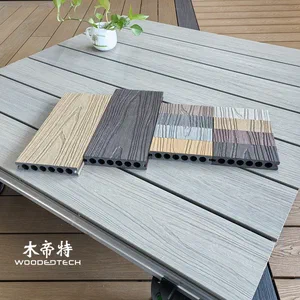
 D14021.5 cheap outdoor wpc decking offers affordable pricing with strong quality and reliable durability for outdoor spaces
 D14025-3 cheapest composite decking with classic redwood color provides reliable outdoor flooring performance proven over time