
Composite Deck Boards vs Wood: A B2B Guide to Performance and Cost
Composite deck boards offer commercial buyers an alternative to natural wood by combining wood fibers and thermoplastics into a durable, low-maintenance outdoor flooring material. When comparing composite decking with traditional timber, aluminum, and other exterior materials, the right choice depends on more than the initial purchase price. Weather resistance, installation requirements, maintenance frequency, service life, and long-term replacement costs all influence the total cost of ownership.
1. Understanding the Main Differences Between Composite Decking and Wood
Natural wood remains a popular decking material because of its authentic grain, natural appearance, and structural versatility. Hardwood species such as teak, ipe, and cumaru are frequently specified for premium residential developments, hotels, resorts, and commercial outdoor spaces. However, timber quality varies considerably depending on species, sourcing, moisture content, and treatment.
Wood plastic composite (WPC) decking combines recycled or virgin wood fibers with thermoplastic materials, typically polyethylene or polypropylene. Additives such as UV stabilizers, pigments, and coupling agents improve weather resistance and material consistency. Some products also feature capped or co-extruded surfaces that provide an additional protective layer against moisture, staining, and fading.
Traditional softwood decking generally has a lower initial material cost, making it attractive for projects with limited budgets. However, it requires regular sealing, staining, or painting. Premium hardwood offers better natural durability but comes with higher material and installation costs.
For B2B buyers, composite decking provides a standardized alternative with consistent dimensions, repeatable surface finishes, and reduced maintenance requirements. These characteristics can simplify procurement and long-term property management, particularly across large commercial developments.
2. Performance Comparison: WPC, Natural Wood, Aluminum, and Other Materials
Different exterior materials perform differently under changing weather conditions, foot traffic, and environmental exposure. Selecting the appropriate material requires evaluating the intended application rather than relying on appearance or purchase price alone.
| Material | Main Advantages | Main Disadvantages | Maintenance |
|---|---|---|---|
| WPC decking | Moisture resistance, consistent appearance, low maintenance | Thermal expansion, potential fading, heat retention | Periodic cleaning and inspection |
| Softwood timber | Affordable, easy to cut and install | Rot, insects, splintering, weather damage | Regular sealing and staining |
| Hardwood decking | Natural appearance, high density, long service potential | Expensive, heavy, installation complexity | Periodic oiling and inspection |
| Aluminum decking | Lightweight, corrosion-resistant when properly specified, non-combustible | Higher initial cost, metallic appearance, heat transfer | Basic cleaning and coating inspection |
| Natural stone | High durability, premium appearance, strong resistance to wear | Heavy, expensive installation, possible surface slipperiness | Cleaning and occasional sealing |
| Concrete paving | High compressive strength, long service life | Hard surface, cracking risk, limited design flexibility | Cleaning and joint maintenance |
| Ceramic outdoor tiles | Color consistency, stain resistance, design variety | Installation sensitivity, potential cracking and slipping | Cleaning and grout inspection |
WPC decking performs particularly well in environments where moisture exposure and routine maintenance are important considerations. Unlike untreated timber, it does not require periodic wood preservation treatments and is less susceptible to rot and insect damage.
However, composite boards are not maintenance-free. Prolonged UV exposure can cause color changes, while poor ventilation or inadequate drainage may encourage surface staining and moisture accumulation around the supporting structure. Product quality also varies according to polymer content, manufacturing technology, density, and protective surface treatment.
Aluminum is worth considering for projects with demanding fire-performance requirements or where non-combustible construction materials are specified. It generally offers excellent dimensional stability and corrosion resistance when appropriately finished, but its appearance and thermal characteristics may not suit every outdoor design.
Natural stone and concrete are more appropriate for certain high-load or ground-level applications. They provide different structural and aesthetic properties, although their installation often requires more extensive site preparation and heavier supporting structures.
3. Maintenance Requirements and Long-Term Durability
Maintenance is one of the most important differences between composite deck boards and natural wood. Although both materials require periodic inspection, their maintenance schedules and associated labor costs can be significantly different.

Natural timber is vulnerable to moisture absorption, fungal decay, insect activity, and surface deterioration. Depending on the species and local climate, commercial property owners may need to clean, sand, stain, seal, or replace damaged boards regularly. These activities increase operational costs and can disrupt the use of outdoor spaces.
WPC decking reduces many of these maintenance demands. Routine care generally involves:
- Washing the surface with water and a suitable cleaning solution.
- Removing leaves, dirt, and organic debris from board gaps.
- Checking fasteners, clips, joists, and expansion clearances.
- Inspecting drainage and ventilation beneath the deck.
- Cleaning localized stains according to manufacturer recommendations.
Capped composite decking offers additional protection because its outer polymer layer helps reduce moisture penetration and surface staining. Co-extrusion technology can also improve resistance to environmental exposure, making it an option worth evaluating for demanding commercial applications.
Nevertheless, buyers should review technical specifications rather than assume every WPC product delivers the same performance. Relevant parameters include water absorption, slip resistance, UV aging, bending strength, impact resistance, fire classification, and thermal expansion.
Installation quality is equally important. Incorrect joist spacing, insufficient expansion gaps, poor drainage, and unsuitable fastening systems can shorten the service life of composite decking regardless of board quality.
4. Comparing Initial Purchase Price and Lifecycle Costs
The initial purchase price rarely represents the full financial commitment of an exterior decking project. Commercial developers, distributors, and contractors should evaluate the total cost of ownership over the expected service period.
A complete cost assessment should include:
- Material purchase price and transportation.
- Substructure, joists, fasteners, and accessories.
- Labor and installation equipment.
- Routine cleaning and preventive maintenance.
- Repairs, replacement boards, and surface treatments.
- Disposal and replacement costs at the end of service life.
Softwood decking usually has a lower upfront material cost, but repeated maintenance can gradually increase its overall expenditure. Premium hardwood may last longer when properly selected and maintained, although its higher purchase price and installation requirements can make it less economical for some projects.
WPC decking generally requires a higher initial investment than basic untreated timber. Its financial advantage comes from reduced maintenance labor, fewer protective treatments, and potentially fewer replacements under suitable operating conditions.
For example, consider a commercial development comparing timber and composite decking across a 15-year evaluation period. The timber option may initially cost less, but recurring staining, sealing, labor, and board replacement must be included in the calculation. Composite decking may offer a more predictable maintenance budget, although its actual economic advantage depends on product quality, installation costs, and local labor rates.
Buyers should request realistic service-life data and warranty conditions from manufacturers. Warranty duration should not be treated as a guaranteed service life, and exclusions relating to installation, fading, staining, and environmental exposure should be reviewed carefully.
5. Choosing the Right Material for Different Commercial Applications
The best material depends on the project’s operating conditions, design objectives, and budget.
For hotels, resorts, restaurants, and residential developments, WPC decking provides a wood-like appearance without the maintenance workload associated with traditional timber. Its consistent colors and surface profiles also support coordinated architectural designs across balconies, poolside areas, terraces, and garden walkways.
Natural hardwood remains suitable for premium projects where authentic timber appearance is a central design requirement and maintenance resources are available. Aluminum is a stronger candidate when non-combustibility, lightweight construction, or specific structural requirements take priority. Stone and concrete are useful for public spaces, ground-level pathways, and areas requiring substantial load-bearing capacity.
For distributors and wholesale buyers, product consistency and supply reliability deserve equal attention. Before selecting a composite decking supplier, evaluate production capacity, quality control procedures, technical documentation, customization options, packaging standards, and export experience.
A reliable WPC manufacturer should be able to provide installation guidelines, performance test reports, material specifications, and clear warranty terms. Buyers should also compare capped and uncapped products, solid and hollow profiles, surface textures, and available colors to match different project requirements.
The most economical decking solution is not necessarily the one with the lowest purchase price. It is the material that delivers the required performance, appearance, and durability at an acceptable total cost throughout its intended service life. For many commercial outdoor projects, high-quality WPC decking offers a practical balance between aesthetics, maintenance efficiency, and long-term budget control.
Related Articles
Related Products
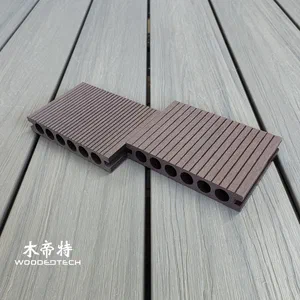 The D14025-6 Composite Decking 2 x 4 Features a Practical Walnut Design with Double-Sided Large and Small Grooves for Versatile Outdoor Applications
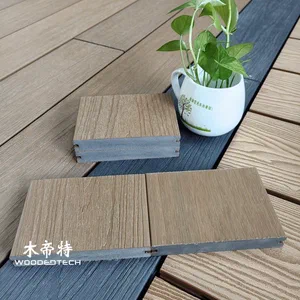 The GD14020S Composite Decking on Sale Features a Solid Core Structure Designed to Withstand Extreme Outdoor Temperature Changes and Freezing Conditions
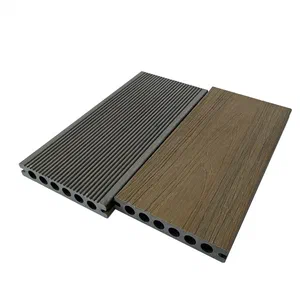 GD14023 Composite Decking Versus Wood Decking Features a Round Hole Structure with Semi Capped Co Extrusion