
Composite Deck Board Price: 2026 Cost Analysis and Supplier Sourcing Guide
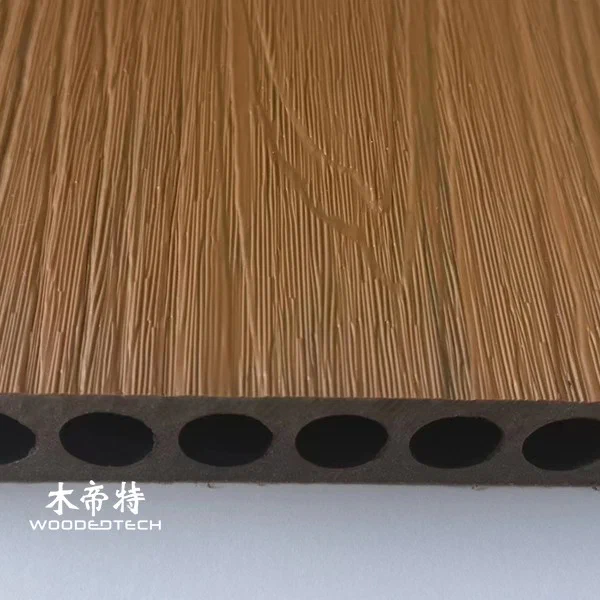
Composite deck board prices in 2026 depend on material composition, board structure, surface technology, manufacturing quality, and order volume. For overseas importers, distributors, contractors, and building material wholesalers, understanding these cost factors is essential to comparing suppliers, negotiating competitive prices, and securing consistent product quality.
2026 Composite Deck Board Price: What Determines the Cost?
The price of composite deck boards varies considerably between manufacturers because products are not made to the same specifications. A basic hollow WPC board and a fully capped co-extrusion board may look similar in a quotation, but their material costs, production processes, and expected service performance are different.
The main factors affecting composite decking prices include:
- Raw materials: Wood flour, recycled plastics, virgin polymers, additives, and colorants all influence production costs. The material ratio affects strength, moisture resistance, dimensional stability, and overall durability.
- Board structure: Hollow boards generally require less material than solid boards, making them more economical. However, solid boards are often preferred for applications requiring greater weight-bearing capacity.
- Surface treatment: Standard brushed finishes are usually more economical than deep embossed wood-grain textures or specialized 3D surface treatments.
- Production technology: Co-extrusion technology adds a protective polymer layer around the board, increasing manufacturing costs while improving resistance to stains, moisture, and fading.
- Dimensions and customization: Board thickness, width, length, color, and customized extrusion profiles affect material consumption, tooling, and production efficiency.
- Order quantity: Larger orders generally allow manufacturers to optimize production schedules, raw material purchasing, and packaging costs.
Buyers should compare products with matching specifications rather than selecting a supplier based solely on the lowest quoted price.
Comparing Different Composite Decking Quality Levels
Understanding product categories helps buyers identify the right balance between purchase cost and long-term performance.
Uncapped WPC Decking
Traditional uncapped composite decking is manufactured by mixing wood fibers and plastic materials and extruding them into boards. It offers an economical alternative to natural timber and is suitable for residential gardens, balconies, patios, and general outdoor flooring.
Its main advantage is competitive pricing. However, surface protection and resistance to staining, moisture absorption, and weather exposure depend heavily on the formulation and manufacturing process.
Capped Composite Decking
Capped composite decking features a protective outer layer designed to improve resistance to everyday wear, moisture, UV exposure, and staining. It is commonly selected for commercial landscaping, swimming pool surroundings, hotels, and residential outdoor spaces.
The additional protective layer increases production costs, but it can reduce maintenance requirements and improve the product’s appearance over time.

Co-Extrusion Composite Decking
Co-extrusion decking uses a specialized production process to combine a WPC core with a protective polymer surface layer. Compared with conventional uncapped products, it provides enhanced surface protection and more consistent appearance.
For importers targeting premium outdoor building material markets, co-extrusion decking can offer a stronger product proposition. However, buyers should verify the cap material, layer thickness, bonding quality, and relevant performance test results instead of relying on product descriptions alone.
How to Evaluate a Reliable WPC Factory
Choosing the right manufacturer is just as important as selecting the right decking product. A competitive quotation has limited value if the factory cannot maintain consistent quality or meet delivery deadlines.
Start by checking whether the supplier operates its own production facilities. A genuine WPC factory should be able to explain its extrusion processes, raw material sourcing, quality inspection procedures, and production capacity.
Request factory photographs, production videos, equipment information, and examples of previous export orders. When possible, arrange a factory audit or appoint an independent inspection company to verify the manufacturing operation.
Buyers should also evaluate the following points:
- Production capacity: Confirm the number of extrusion lines, monthly output, and ability to handle repeat orders.
- Quality management: Ask about incoming material inspections, production monitoring, dimensional checks, and finished-product testing.
- Product development: Check whether the manufacturer can provide customized colors, surface textures, dimensions, and extrusion profiles.
- Export experience: Review experience with international packaging requirements, container loading, shipping documentation, and destination-market regulations.
- Business reliability: Verify company registration, manufacturing address, quotation details, payment terms, and contractual responsibilities.
A professional WPC manufacturer should provide clear technical information and communicate openly about product limitations rather than making unrealistic performance promises.
Confirm Product Specifications Before Placing an Order
One common purchasing mistake is confirming an order based on product photographs or samples without establishing complete technical specifications.
Before requesting a final quotation, prepare a detailed specification sheet covering board dimensions, structure, material composition, surface finish, color, and application requirements.
For example, a composite decking specification may include:
- Product type: Hollow, solid, capped, or co-extruded WPC decking.
- Dimensions: Width, thickness, and standard board length.
- Material composition: Wood fiber and plastic type, with relevant formulation information where available.
- Surface finish: Brushed, embossed, 3D wood grain, or customized texture.
- Color: Standard color selection or customized color matching.
- Installation system: Compatible joists, clips, screws, and accessories.
- Performance requirements: Water absorption, flexural strength, dimensional stability, slip resistance, and UV weathering performance.
Ask the supplier to provide samples before mass production. Check color consistency, surface quality, dimensional accuracy, and the connection between the board and installation accessories.
For projects with specific technical requirements, request applicable test reports and confirm whether testing was conducted by an independent laboratory. Make sure the reports correspond to the actual product being purchased.
Common Purchasing Risks and How to Avoid Them
Low quotations can sometimes hide problems that become expensive after shipment. One frequent risk is material substitution. A supplier may quote a product using one formulation but change the raw material ratio during mass production to reduce costs.
To prevent this, include the approved sample, technical specification, and agreed quality standards in the purchase contract. Specify that material or production changes require written approval.
Another risk is inconsistent color and dimensions between batches. This can create installation difficulties, customer complaints, and additional replacement costs. Buyers should establish acceptable tolerances and require batch inspections before shipment.
Packaging and shipping also deserve attention. WPC boards are relatively long products, and improper stacking, insufficient protection, or poor container loading can cause surface damage and deformation. Confirm packaging methods, loading quantities, and container arrangements before production begins.
Payment arrangements should also be clearly defined. Avoid transferring large payments to unverified suppliers without checking their business credentials. For substantial orders, consider third-party inspections before shipment and use clearly documented payment milestones.
Finally, calculate the complete landed cost rather than comparing factory prices alone. Include international freight, insurance, import duties, customs clearance, local transportation, and any applicable destination-market compliance costs.
Building a Long-Term Partnership with a WPC Decking Manufacturer
For wholesalers, distributors, and project contractors, supplier selection should focus on long-term commercial value rather than a single low-price transaction.
A dependable manufacturing partner should offer stable production quality, transparent quotations, flexible order arrangements, and consistent technical support. The ability to supply matching colors and specifications for repeat orders is particularly important for distributors managing inventory and established product lines.
When evaluating Chinese WPC manufacturers, request a detailed quotation based on your target market, expected annual purchasing volume, and application requirements. Compare equivalent products, review physical samples, and confirm production lead times before negotiating the final agreement.
The best sourcing decision is one that balances purchase price, product performance, manufacturing capability, and delivery reliability. By evaluating these factors systematically, overseas buyers can reduce procurement risks and establish a dependable supply chain for composite decking products in 2026.
Related Articles
Related Products
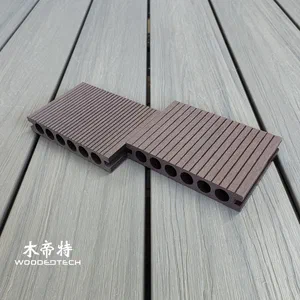 The D14025-6 Composite Decking 2 x 4 Features a Practical Walnut Design with Double-Sided Large and Small Grooves for Versatile Outdoor Applications
 F5050 solid four side flat WPC Board is suitable for outdoor bench slats and various construction applications
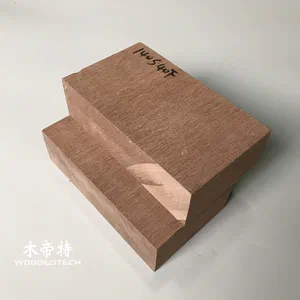 D14040-2S Square Solid Composite Deck Boards Without Side Grooves for Outdoor Decking