
Composite Deck Bench Ideas: Innovative Designs for Commercial Outdoor Spaces
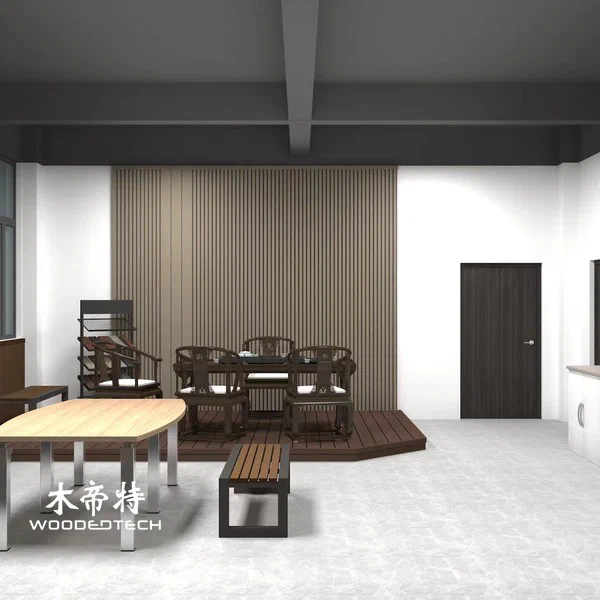
Composite deck benches are becoming an essential feature in modern commercial outdoor spaces, combining practical seating with contemporary landscape design. Made from wood plastic composite (WPC), these benches offer a durable, low-maintenance alternative to traditional timber while complementing composite decking, pergolas, fences, and outdoor wall panels. For hotels, resorts, shopping centers, parks, and commercial terraces, innovative bench designs can improve comfort, define outdoor zones, and create a consistent architectural appearance.
1. Modern Composite Deck Bench Design Trends
Today’s commercial outdoor seating is moving beyond simple standalone benches. Designers increasingly integrate seating into the surrounding decking structure, creating functional features that look like a natural extension of the landscape. Built-in composite deck benches are particularly popular for rooftop terraces, poolside areas, restaurant patios, and public recreational spaces.

Several design approaches are shaping this trend:
- Built-in perimeter benches that follow the edges of composite decks.
- L-shaped and U-shaped seating arrangements for social gathering areas.
- Floating-style benches with concealed support structures for a clean architectural appearance.
- Curved composite seating that softens geometric outdoor layouts.
- Modular benches that can be rearranged to accommodate different group sizes and activities.
For commercial projects, modular designs offer particular advantages. Property managers can adjust seating arrangements for seasonal events, outdoor dining, exhibitions, or everyday visitor use without redesigning the entire space.
2. Color Trends: Creating a Consistent Outdoor Palette
Color selection plays an important role in making composite deck benches fit naturally into commercial landscapes. Modern projects favor neutral, natural-looking tones that complement surrounding architecture and vegetation.
Popular composite deck colors include:
- Teak and warm brown: Create a welcoming timber appearance for hotels, resorts, and hospitality terraces.
- Light grey and silver grey: Suit contemporary commercial buildings and minimalist outdoor spaces.
- Charcoal and dark walnut: Add visual contrast and work well with black metal frames and modern facades.
- Natural oak and coffee: Provide a warm, understated appearance for gardens, restaurants, and recreational areas.
A coordinated color scheme can connect benches with composite decking boards, fence panels, and pergola structures. For example, a commercial rooftop terrace might combine light grey decking, charcoal-framed benches, and warm wood-grain seating surfaces.
Designers can also introduce contrasting colors to distinguish seating zones from walking paths. This improves visual organization while giving large outdoor spaces a more deliberate design identity.
3. Texture and Surface Profiles: Combining Appearance with Performance
Surface texture is another important consideration when developing a composite deck bench. Modern WPC products use realistic wood-grain patterns, embossed finishes, and brushed textures to create a natural appearance without relying on traditional timber.
Three-dimensional embossed surfaces are particularly useful for projects seeking a more distinctive finish. They add visual depth and help composite benches coordinate with textured decking and exterior wall cladding.
Profile selection also influences the overall design:
- Flat profiles create a simple, streamlined seating surface.
- Rounded edges provide a softer appearance and improve contact comfort.
- Slatted profiles create visual rhythm and allow water to drain between individual components.
- Wider composite boards produce a substantial, contemporary furniture appearance.
- Curved profiles support more organic seating arrangements.
For outdoor commercial applications, designers should consider surface drainage, edge finishing, structural support, and resistance to weather exposure. Seating surfaces should also be designed to avoid sharp edges and uncomfortable gaps.
4. Integrated Seating with Pergolas, Gazebos, and Composite Fencing
One of the strongest trends in commercial landscape design is combining composite benches with other outdoor structures. Instead of treating seating as an isolated product, designers are developing coordinated outdoor systems.
Composite pergolas provide an effective framework for shaded seating areas. Built-in benches beneath pergolas create comfortable gathering spaces for hotel courtyards, restaurant patios, and commercial gardens. Adding adjustable louvers or shade systems can further improve the usability of these spaces.
Gazebos offer another opportunity for integrated seating. Circular or perimeter benches can maximize available space while creating a welcoming environment for visitors. For larger installations, modular seating components make it easier to accommodate different layouts.
Composite fencing and decorative screens can also complement bench designs. Vertical WPC slats, horizontal privacy panels, and decorative grilles provide visual separation without making outdoor areas feel completely enclosed.
Coordinating the materials, colors, and profiles of these products creates a unified landscape design that looks professionally planned rather than assembled from unrelated components.
5. Modular Composite Benches for Flexible Commercial Spaces
Commercial outdoor environments often need to serve several purposes throughout the day. A hotel terrace may function as a breakfast area in the morning, a relaxation space in the afternoon, and an event venue in the evening. Modular composite benches provide the flexibility required for these changing uses.
Common modular configurations include straight seating units, corner modules, backrest sections, planter-integrated benches, and freestanding seating blocks.
Combining benches with composite planters is particularly effective. Plants introduce natural color and soften the appearance of large paved areas, while integrated seating makes better use of available space. This approach works well in shopping centers, office campuses, hospitality developments, and public gardens.
From a product development perspective, standardized connection points and interchangeable components can simplify manufacturing, transportation, installation, and future replacement. Commercial buyers can also select different lengths, colors, and configurations according to individual project requirements.
For WPC manufacturers and distributors, modular designs create opportunities to develop coordinated product collections rather than offering individual seating products alone.
6. Material Selection and Performance for Commercial Projects
A well-designed composite deck bench must balance appearance, comfort, and long-term performance. WPC combines wood fibers or wood flour with polymer materials and additives to create an outdoor product that offers a timber-inspired appearance with reduced routine maintenance.
For commercial installations, important specifications include:
- Weather resistance: Materials should be suitable for the expected outdoor exposure and local climate.
- UV stability: Appropriate formulations and surface treatments help maintain color appearance.
- Moisture resistance: Composite materials are suitable for outdoor environments when properly specified and installed.
- Structural strength: Internal support structures and fixing systems must accommodate the expected seating loads.
- Slip and drainage considerations: Bench surroundings should provide safe access, effective drainage, and appropriate surface traction.
- Maintenance requirements: Cleaning and care instructions should be clearly established for property operators.
Co-extruded WPC products offer another option for projects requiring enhanced surface protection and consistent finishes. However, material selection should always be based on verified product specifications, testing, and intended application rather than appearance alone.
Manufacturers should also account for thermal expansion, ventilation, subframe spacing, and suitable fastening methods during product development and installation planning.
7. Developing a Complete Outdoor Design Solution
For commercial landscape architects, contractors, wholesalers, and property developers, the best composite deck bench designs are those that connect seating with the wider outdoor environment. A coordinated system incorporating WPC decking, benches, pergolas, gazebos, fencing, wall panels, and planters can create a recognizable design language across an entire development.
OEM and custom WPC manufacturing capabilities make it possible to develop project-specific dimensions, colors, surface textures, and extrusion profiles. Standardized modular components can support larger projects, while custom profiles help differentiate premium commercial developments.
As outdoor spaces become increasingly important extensions of commercial buildings, composite deck benches are evolving from basic seating products into integrated landscape design elements. The combination of natural wood-grain aesthetics, contemporary profiles, coordinated colors, and flexible modular configurations gives designers more ways to create attractive, functional, and practical outdoor environments.
Related Articles
Related Products
 F10050 Extra Thick WPC Outdoor Panel Provides Waterproof Moisture Resistant and Rot Proof Material for Outdoor Benches
 F5732 WPC Panel Uses Include One of the Common Low Thickness Materials for Outdoor Bench Manufacturing
 F9040 Four Sides Flat Solid WPC Outdoor Panel Is Commonly Used for Durable Outdoor Bench Applications