
Composite Deck Around Inground Pool: Materials, Benefits, and Installation Considerations
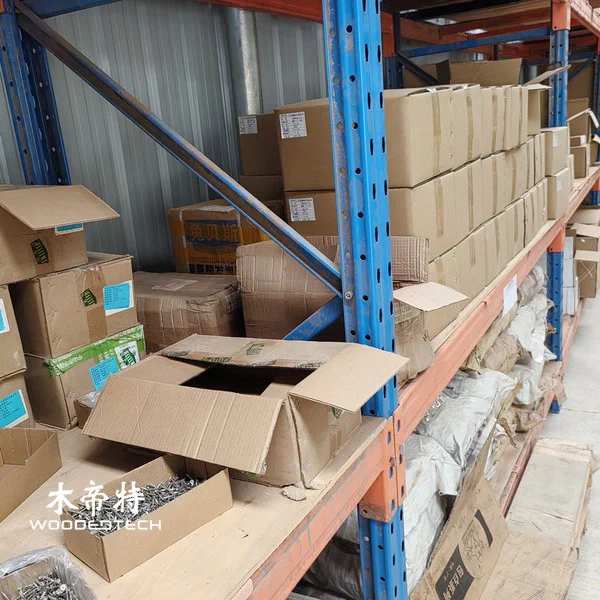
A composite deck around an inground pool provides a practical alternative to traditional timber decking, combining a wood-like appearance with reduced routine maintenance and good resistance to outdoor moisture. For residential pools, hotel swimming areas, and commercial aquatic facilities, wood plastic composite (WPC) decking can create an attractive, functional surface when the material, substructure, and drainage system are selected for poolside conditions.
Choosing the Right Composite Decking Material
Pool environments expose decking to frequent splashing, standing water, sunscreen, cleaning chemicals, direct sunlight, and temperature changes. Not all composite boards perform equally under these conditions, so material selection should consider surface traction, moisture resistance, UV stability, and dimensional movement.
Capped composite decking features a protective outer layer designed to reduce moisture absorption, staining, and surface fading. Co-extruded WPC decking is another option, with a protective polymer layer surrounding the composite core. Both can be suitable for poolside applications, provided the manufacturer’s specifications confirm compatibility with the intended environment.
When evaluating products, look for textured surfaces that maintain traction when wet, appropriate resistance to pool chemicals, and clear installation guidance. Light-colored boards may also help reduce surface heat compared with darker colors, although actual temperatures depend on material composition, sunlight, and ambient conditions.

Key Benefits of WPC Pool Decking
Compared with natural wood, composite decking generally requires less sanding, staining, and sealing. This makes it attractive for homeowners who want a clean poolside appearance without frequent refinishing. Many products also resist splintering and common forms of weather-related deterioration, although performance varies by formulation and product quality.
Design flexibility is another advantage. WPC boards are available in different colors, grain patterns, and profiles, allowing the deck to complement modern architecture, garden landscaping, or resort-style pool designs. Coordinated composite steps, fascia boards, and railing systems can create a consistent finish around the pool.
For hotels, residential developments, and public recreation facilities, the combination of low routine maintenance and a consistent visual finish can simplify long-term landscape management. However, commercial projects should prioritize documented slip performance, load capacity, fire requirements where applicable, and compliance with local building codes rather than relying on appearance alone.
Installation Considerations Around an Inground Pool
A reliable pool deck begins with proper site preparation. The supporting structure must provide adequate strength and stability, while the finished surface should direct water away from buildings and prevent persistent puddles. Pool drainage, access points, and any required expansion joints should be incorporated into the design before installation.
- Substructure: Use compatible joists and corrosion-resistant fasteners suited to the site’s exposure conditions. Follow the specified joist spacing and support requirements.
- Board spacing: Allow for thermal expansion, contraction, and drainage according to the decking manufacturer’s installation instructions.
- Pool edges: Plan the perimeter carefully to maintain access to the pool shell, skimmers, pumps, and other service components.
- Surface safety: Select a suitable textured profile and verify wet-slip performance. Do not assume that composite decking is slip-proof.
- Steps and barriers: Design secure transitions, handrails, and compliant pool barriers where required by local regulations.
For balconies, hotel terraces, public parks, and other outdoor facilities, the same material-selection principles apply, but structural loads, waterproofing, fire regulations, and accessibility requirements may differ. A qualified installer should review site conditions and product documentation before construction, especially where the deck adjoins the pool structure.
FAQ
Q: Is composite decking suitable for an inground swimming pool?
A: Yes, suitable composite decking can be used around inground pools when its wet-slip performance, moisture resistance, and chemical compatibility meet project requirements.
Q: Is capped composite decking better for pool areas?
A: Capped products offer an additional protective surface layer that can improve resistance to staining and moisture absorption. Compare product-specific performance data before choosing a board.
Q: Does composite pool decking require drainage gaps?
A: Yes, the installation must provide appropriate board spacing and effective drainage. Follow the manufacturer’s specifications to accommodate water flow and temperature-related movement.
Related Articles

Related Products
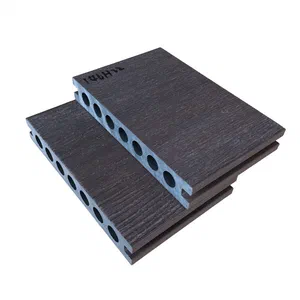
 D15035 Hollow Square Hole WPC Deck Offers Double Grooved Surfaces with Unique Thickness Design for Outdoor Applications
 Y5030-2 Hollow Structure Composite Deck Joist Provides Lightweight Support for Modern Decking Projects
 Y6040S Extra Large Thick Solid I Shaped Composite Deck Joist Offers Strong Support for Outdoor Structures