
Composite Connection
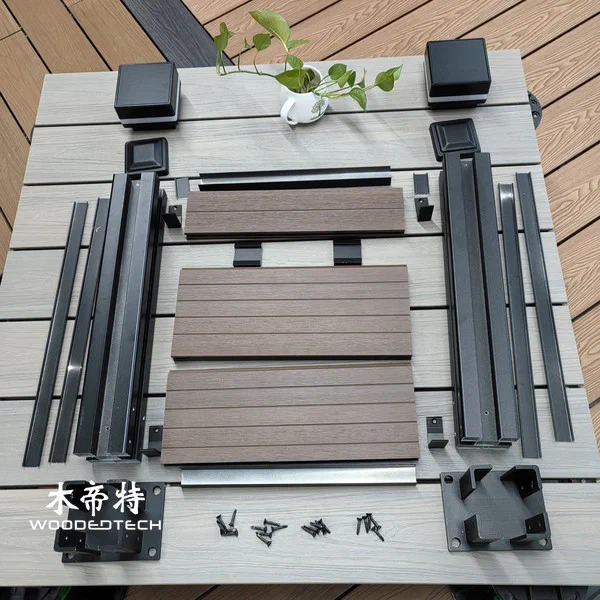
A reliable composite connection starts with a well-engineered WPC profile. Its cross-sectional geometry, internal hollow chambers, solid sections, reinforcing ribs, and surface patterns all influence how the product performs under load, how much material it consumes, and how easily installers can assemble it. For manufacturers and buyers, understanding these design factors is essential when developing cost-effective, durable wood plastic composite products.
How WPC Profile Design Affects Structural Performance
WPC profile design determines how forces travel through an extruded component and how different parts connect during installation. A profile used for decking, fencing, wall cladding, or outdoor structures must balance bending resistance, dimensional stability, material consumption, and connection strength.
From a mold design perspective, the cross-section is one of the first decisions in product development. A wider profile may provide greater coverage, but increasing its width or thickness does not automatically improve performance. Poorly distributed material can create uneven cooling, internal stress, and dimensional distortion during extrusion.
A well-designed profile distributes material where it contributes most to structural performance. The position and thickness of the outer walls, internal ribs, and connection edges should be considered together rather than treated as separate design features.
Connection details also require attention. Tongue-and-groove joints, side grooves, clips, and screw-fixing zones must have sufficient dimensions to withstand installation forces and long-term use. If these areas are too thin, they may crack or deform. If they are unnecessarily thick, production costs increase without a proportional improvement in performance.
Hollow WPC Structures: Lower Weight and Material Consumption
Hollow WPC profiles are widely used in decking, fencing, and decorative wall systems because they reduce material consumption while maintaining a practical level of structural strength.
The internal cavities reduce the overall weight of the product, making transportation, handling, and installation easier. They also allow manufacturers to produce larger profiles without using the same amount of raw material required for a solid section.
However, hollow structures need carefully controlled wall thickness and cavity geometry. Thin outer walls can reduce bending resistance and increase the risk of local deformation under concentrated loads. Uneven wall thickness may also cause inconsistent cooling and shrinkage during extrusion.

For this reason, cavity shape and distribution matter as much as the number of hollow chambers. Rectangular chambers are straightforward to manufacture, while other geometries may offer different combinations of stiffness and material efficiency.
Hollow profiles are particularly suitable when weight reduction and material savings are important, but their design must account for the intended support spacing, loading conditions, and fixing method.
Solid WPC Structures: Greater Density Around Connection Points
Solid WPC profiles contain more material throughout their cross-section. This construction is often selected for applications requiring greater resistance to localized loads, stronger screw retention, or more substantial fixing areas.
Compared with hollow profiles of similar external dimensions, solid structures generally provide greater section stiffness and more material around fastening points. This can be beneficial for stair components, railing elements, heavy-duty decking applications, and profiles that require mechanical connections.
The main disadvantage is higher material consumption. Solid profiles are heavier, potentially increasing transportation expenses and making installation more labor-intensive. Their larger material volume can also affect cooling time, extrusion output, and production efficiency.
Solid construction is not automatically the best solution for every application. In many cases, a hybrid design with reinforced connection zones and hollow internal sections can deliver a better balance between strength and cost.
Internal Rib Design: Reinforcing Strength Without Excessive Weight
Internal ribs are an important feature of hollow WPC profiles. They connect the outer walls, improve cross-sectional stability, and help distribute loads across the profile.
A properly positioned rib can reduce wall deflection and improve resistance to bending without filling the entire cavity with additional material. Multiple ribs can also help prevent the outer surfaces from collapsing under pressure during installation or service.
However, adding more ribs does not always produce better results. Excessive rib thickness increases material consumption and may create uneven cooling rates. This can lead to internal stress, warping, and dimensional inconsistencies.
Rib geometry should therefore be developed according to the profile’s load direction and extrusion characteristics. Rib thickness, spacing, connection points, and transitions between walls should be carefully evaluated during mold design.
For profiles with screw-fixing requirements, additional material around the fastening zone may be more effective than reinforcing the entire cross-section. This targeted approach improves connection reliability while keeping the overall profile lightweight.
Surface Patterns and Their Influence on Installation
Surface patterns affect more than the visual appearance of WPC products. Embossed textures, grooves, fluted surfaces, and wood-grain finishes can influence slip resistance, cleaning requirements, drainage, and installation orientation.
Embossed wood-grain patterns create a natural timber appearance and can provide additional surface texture. Grooved decking surfaces are often designed to work with compatible clips or fastening systems, allowing boards to be installed with consistent spacing.
For wall panels and decorative cladding, fluted and linear patterns can create visual depth while helping conceal minor alignment differences between adjacent profiles.
From a production standpoint, surface geometry must be compatible with the extrusion and embossing process. Deep patterns require careful control to avoid excessive local thickness variations, surface defects, or inconsistent texture reproduction.
The position of grooves and decorative features should also be coordinated with the connection system. A fixing groove that is too narrow or shallow may make clip installation difficult, while an incorrectly positioned pattern may interfere with fastening access.
Designing the Right Composite Connection for Manufacturing and Installation
The most effective WPC profile is not necessarily the strongest or the heaviest. It is the design that meets the required mechanical performance while controlling material consumption, extrusion stability, tooling costs, and installation complexity.
During product development, manufacturers should evaluate several factors together:
- Structural requirements: Determine bending loads, impact resistance, support spacing, and expected service conditions.
- Cross-sectional geometry: Select hollow, solid, or hybrid construction according to the application.
- Rib arrangement: Reinforce critical areas without creating unnecessary material accumulation.
- Connection design: Check clip compatibility, screw retention, joint tolerances, and installation clearance.
- Surface treatment: Match embossing, grooves, or decorative patterns to functional and aesthetic requirements.
- Extrusion performance: Consider wall thickness consistency, cooling behavior, shrinkage, and mold flow balance.
A successful composite connection begins long before installation. It starts with coordinating profile geometry, mold design, material formulation, and fastening requirements. For WPC manufacturers developing customized decking, cladding, fencing, or other extrusion products, this integrated approach helps achieve dependable connections, efficient production, and competitive product costs.
Related Articles
 WPC Hohl oder Massiv: Key Differences for Industrial Applications
 1x8 composite decking provides a versatile board size for residential and commercial deck projects
 wood plastic composite 4x4 offers strong structural support for outdoor landscaping applications
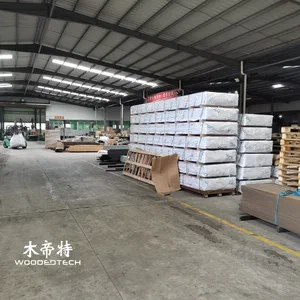 Composite Deck Thickness: Key Selection Criteria for Industrial Projects
Related Products
 GD13823-3 Composite Boards for Decking Are Available in Multiple Stock Colors with 3 Meter Lengths and Single Piece Delivery
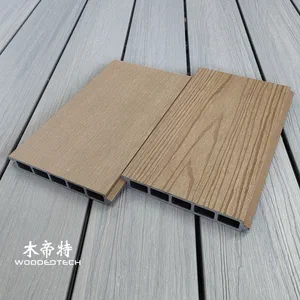 3DGL18024 WPC Longboard Fence Features Premium Co Extruded 3D Embossed Teak Wood Grain Texture with Realistic Natural Wood Fibers
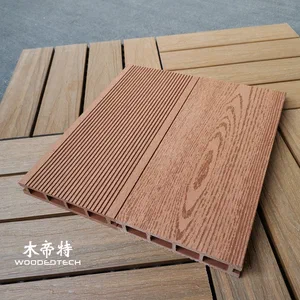 The Classic D14025-4 Red Wood WPC Wood Sheet Features a Timeless 2D Flat Wood Grain Design That Remains Popular After Twenty Years