
Composite Colors: Performance Evaluation and Specification Guide for B2B Buyers
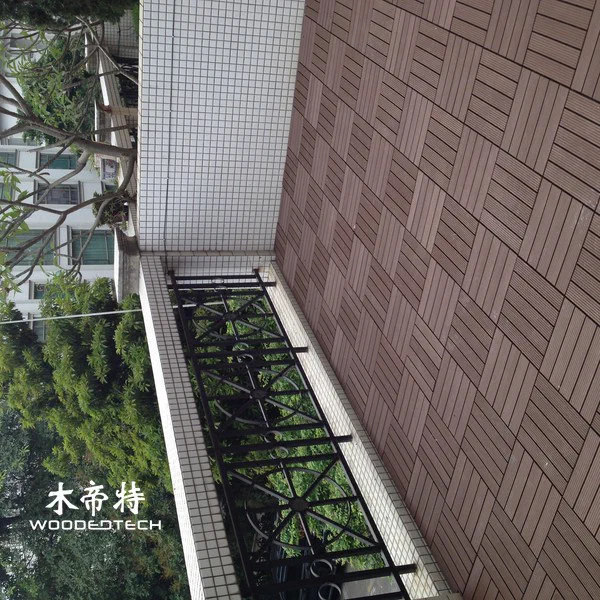
Composite colors in outdoor WPC products are more than a visual feature. They reflect the quality of raw materials, pigment stability, processing conditions, and resistance to long-term environmental exposure. For B2B buyers, evaluating color performance means looking beyond the initial appearance to understand how wood powder, HDPE or PVC polymers, additives, and colorants work together to maintain a consistent appearance and reliable product performance outdoors.
1. How Raw Materials Influence Composite Color Performance
The color quality of wood plastic composite (WPC) products starts with the raw material formulation. Each component affects the final color, surface texture, and resistance to environmental changes.
Wood powder is one of the main contributors to the natural appearance of WPC. Its original color, moisture content, particle size, and wood species can influence the finished shade. For example, darker wood powder may produce deeper brown tones, while lighter material is more suitable for beige and natural oak colors. However, inconsistent wood powder batches can cause visible color variations during extrusion. In our factory, we control incoming wood powder moisture and particle size to reduce production fluctuations and improve color consistency.
HDPE and PVC polymers also influence color development and durability. HDPE generally provides good impact resistance, moisture resistance, and flexibility, making it suitable for outdoor decking and fencing. PVC offers different processing characteristics and can support rigid outdoor profiles. Both materials require suitable thermal stabilization because excessive processing temperatures or prolonged heating may cause discoloration. Recycled polymers require particular attention to source consistency, contamination, and previous thermal history.

Additives and modifiers play an important supporting role. UV stabilizers help reduce polymer degradation caused by sunlight, while antioxidants protect materials against heat and oxidation during processing and service. Lubricants improve extrusion stability and surface quality. Coupling agents, such as maleic anhydride-grafted polymers, improve compatibility between wood fibers and plastic, helping reduce moisture-related defects and improve mechanical performance. Impact modifiers can improve toughness, especially in products exposed to temperature changes.
Pigments determine the final composite color. Inorganic pigments, including iron oxide and titanium dioxide, are commonly selected for their stability and weathering performance. Organic pigments can provide brighter and more vivid shades, but their UV and heat resistance must be carefully evaluated. Pigment selection should consider not only the target color but also dispersion, processing temperature, chemical compatibility, and long-term outdoor exposure.
2. Key Factors Affecting Outdoor Color Durability
Outdoor WPC products are continuously exposed to sunlight, rain, humidity, temperature fluctuations, and airborne pollutants. These conditions can gradually change the original surface appearance.
UV exposure is one of the main causes of color fading. Ultraviolet radiation can break down polymer structures and affect pigment stability, resulting in fading, chalking, or surface discoloration. A properly designed UV stabilization system helps slow these changes, although no outdoor composite material should be assumed to retain its original color indefinitely.
Moisture resistance is equally important. Wood powder naturally absorbs water, and insufficient polymer encapsulation or poor interfacial bonding can allow moisture to penetrate the composite. This may lead to swelling, surface roughness, biological staining, or uneven appearance. A balanced formulation and stable extrusion process help reduce these risks.
Temperature changes can also affect color consistency. Darker composite decking absorbs more solar heat than lighter colors, potentially increasing surface temperatures and thermal movement. Buyers should therefore consider color selection alongside installation gaps, product expansion characteristics, and the intended climate.
Surface structure influences perceived color as well. Embossed wood-grain finishes create different light reflections from smooth surfaces. Co-extruded WPC products add another layer of protection through an outer polymer cap, which can improve resistance to staining, moisture, and UV exposure when properly formulated.
3. Factory Quality Inspection Methods for Composite Colors
A professional Guangdong WPC factory should evaluate color quality at both the raw material and finished product stages. Visual inspection alone is insufficient for reliable B2B quality control.
Our recommended inspection procedures include:
- Incoming material inspection: Check pigment specifications, polymer grades, wood powder moisture content, particle size, and additive batch records before production.
- Color matching inspection: Compare extruded samples with an approved master sample under standardized lighting conditions. Use a calibrated spectrophotometer to measure CIE Lab* values and calculate color difference (ΔE).
- Batch consistency testing: Collect samples from different production stages and compare color readings to identify pigment dispersion problems, raw material variations, or extrusion temperature fluctuations.
- Surface appearance inspection: Check for color streaks, black spots, uneven gloss, exposed wood particles, and other visible defects.
- Accelerated weathering testing: Expose samples to controlled UV radiation and moisture cycles using suitable weathering equipment. Compare color changes, surface degradation, and chalking before and after exposure.
For color difference testing, ASTM D2244 provides a recognized method for calculating color differences from instrument measurements. Accelerated UV exposure can be evaluated using ASTM G154 or ISO 4892-3, depending on the agreed testing procedure. Test conditions, exposure duration, and acceptance limits should be defined before testing rather than selected after results are available.
4. Quality Standards and Specifications for B2B Buyers
When sourcing outdoor WPC decking, cladding, fencing, or other composite products, buyers should request measurable specifications instead of relying on descriptions such as premium color quality or excellent UV resistance.
A practical purchasing specification should include:
- Color reference: An approved physical sample or defined RAL reference, together with CIE Lab* measurement values where applicable.
- Color tolerance: A mutually agreed ΔE limit for production batches, with the measurement method and lighting conditions clearly specified.
- Weathering performance: Defined UV exposure conditions, testing duration, and acceptable color change after exposure.
- Moisture resistance: Water absorption and dimensional change requirements appropriate to the product and application.
- Mechanical performance: Flexural properties, impact resistance, and other relevant requirements based on the intended use.
- Production traceability: Raw material batch numbers, pigment records, production dates, and inspection reports.
ASTM D7032 is relevant to performance evaluation of deck boards and guardrail systems made from wood-plastic composite materials. EN 15534-4 provides requirements and test methods for decking profiles and tiles made from wood-plastic composites. ASTM D2244 and applicable accelerated weathering standards can complement these product-level requirements.
Importantly, these standards do not establish one universal color tolerance or UV durability level for every WPC product. Buyers should agree on project-specific acceptance criteria with the manufacturer and request supporting test reports from qualified laboratories where necessary.
5. How to Specify Composite Colors When Purchasing in Bulk
For international distributors, wholesalers, and construction contractors, color consistency across multiple production batches is essential. A small difference between samples may become highly visible when hundreds of decking boards or wall panels are installed together.
Before confirming a bulk order, buyers should approve a physical color sample and retain it as the reference standard. The purchase agreement should identify the product model, surface finish, color code, acceptable color deviation, and any special weathering requirements.
For projects involving multiple shipments, it is advisable to request production samples before mass manufacturing and maintain consistent raw material and pigment formulations throughout the order. Any change in pigment supplier, polymer source, or additive formulation should trigger an appropriate requalification process.
At the manufacturing level, stable raw material sourcing, accurate pigment dosing, controlled extrusion temperatures, and regular instrument-based inspections are essential for repeatable results. A reliable WPC supplier should be able to provide clear technical specifications, inspection records, and representative weathering test results rather than relying solely on attractive product samples.
For B2B buyers, the best composite color is not simply the one that looks attractive when it leaves the factory. It is the one supported by a stable formulation, measurable quality controls, and proven resistance to the environmental conditions in which the finished outdoor product will be installed.
Related Articles
 Composite Colors in Industrial Manufacturing: Selection, Standards, and Applications
 WPC Decking Panel Provides Durable And Stylish Solutions For Outdoor Flooring Projects
 WPC Decking Weight Information Helps Customers Choose Suitable Outdoor Flooring Materials
 Plastic Wood Deck Boards Provide Durable Alternatives to Traditional Outdoor Timber Flooring
Related Products
 GD13823-3 Composite Boards for Decking Are Available in Multiple Stock Colors with 3 Meter Lengths and Single Piece Delivery
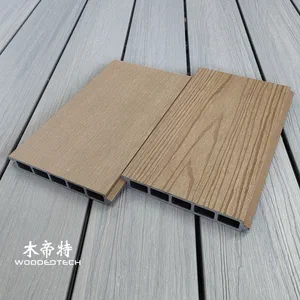 3DGL18024 WPC Longboard Fence Features Premium Co Extruded 3D Embossed Teak Wood Grain Texture with Realistic Natural Wood Fibers
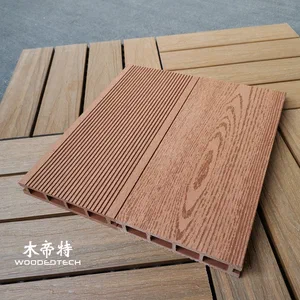 The Classic D14025-4 Red Wood WPC Wood Sheet Features a Timeless 2D Flat Wood Grain Design That Remains Popular After Twenty Years