
Composite Colors in Industrial Manufacturing: Selection, Standards, and Applications
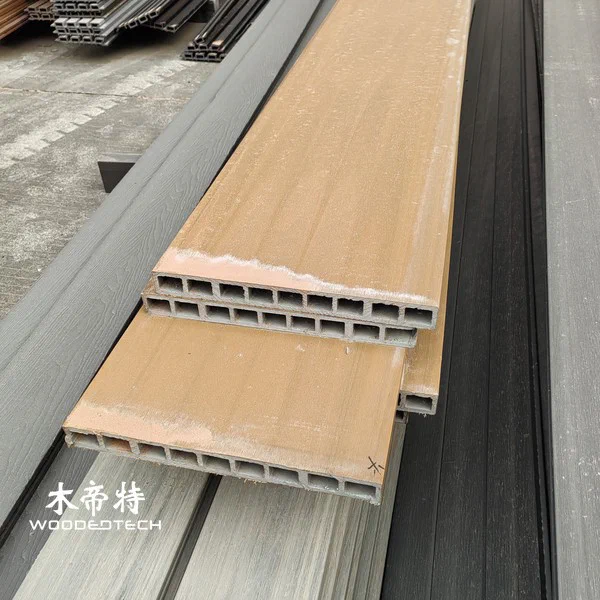
Color selection in industrial manufacturing goes beyond appearance; it affects product consistency, material performance, and the visual identity of outdoor spaces. For wood plastic composite (WPC) decking, wall panels, fences, pergolas, gazebos, and landscape products, the right colors, textures, and profiles help manufacturers meet architectural requirements while delivering reliable results across production batches.
Choosing Colors for Modern Composite Products
Modern composite design favors natural wood tones, contemporary neutrals, and coordinated color palettes. Teak, walnut, and coffee shades bring warmth to residential gardens and hospitality projects, while light gray, charcoal, and black create a clean, architectural look for commercial developments. White and sand tones can make compact balconies and patios feel brighter and more open.
Color selection should consider the surrounding materials, local climate, and intended application. Decking in warm brown tones pairs well with greenery and stone, while dark fence panels can provide contrast against lighter exterior walls. Matching or coordinating decking, wall cladding, pergolas, and planters creates a consistent outdoor design without making every surface look identical.
Color Standards and Manufacturing Consistency
For industrial production, a color needs to be repeatable, measurable, and suitable for the product’s intended environment. Manufacturers can use standardized color references, approved master samples, and instrumental color measurements to define acceptable variation between batches. CIELAB color values and color difference measurements, such as ΔE, help quality teams assess whether finished products remain within agreed tolerances.
However, color consistency depends on more than pigments. Wood flour content, polymer selection, additives, extrusion temperature, surface finishing, and cooling conditions can all influence the final appearance. UV exposure and moisture may also cause gradual changes after installation. Manufacturers should establish inspection procedures for incoming materials, production samples, and finished products, with weathering tests where outdoor durability is important.
How Textures and Profiles Influence Appearance
Surface texture adds depth and helps composite products achieve a more convincing material character. Embossed wood grain suits traditional gardens and natural landscapes, while brushed finishes and fine linear textures complement minimalist architecture. Three-dimensional patterns can also create visual interest on exterior wall panels and privacy screens.

Profile design works alongside color and texture. Grooved decking boards create defined lines, fluted wall panels add vertical rhythm, and narrow composite battens produce a lightweight, contemporary appearance. Coordinated profiles allow designers to repeat visual elements across decking, fences, pergolas, and gazebos, giving outdoor spaces a more deliberate and unified finish.
Modular Design and Practical Applications
Modular WPC systems make it easier to combine colors and profiles across different applications. Interlocking deck tiles suit balconies and smaller patios, while standardized decking boards simplify larger installations. Modular fence panels, pergola components, and planter systems help manufacturers streamline production, simplify transport, and offer flexible configurations for different project sizes.
For B2B buyers, a well-developed color range should balance design flexibility with production efficiency. Limiting core colors while offering selected custom finishes can reduce inventory complexity and improve batch consistency. Suppliers should provide physical samples, color specifications, maintenance guidance, and relevant performance test data so distributors, contractors, and project designers can make informed decisions.
FAQ
Q: Which colors are most popular for composite decking?
A: Natural teak, walnut, gray, and charcoal are common choices. The best option depends on the architectural style, surrounding materials, and project requirements.
Q: How do manufacturers maintain consistent composite colors?
A: They control raw materials and processing conditions, use approved color references, and inspect samples with visual or instrumental measurement methods.
Q: Can composite products be customized with matching colors and profiles?
A: Yes. Many manufacturers offer custom colors, textures, and extrusion profiles, subject to production capabilities, minimum order quantities, and color-matching requirements.
Related Articles
Related Products
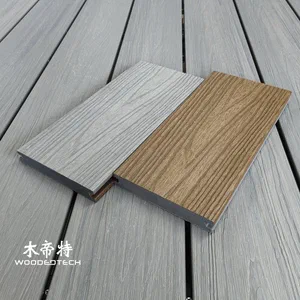 Second Generation Two Color Co Extruded 3D Embossed 3DGD14023S Composite Wood Deck Boards Feature an Extremely Realistic Antique Wood and Teak Grain Texture
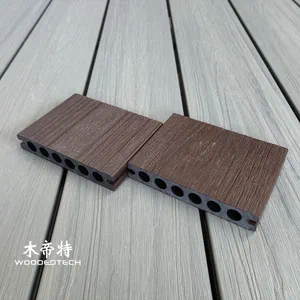 GD13823-3 Redwood Color Round Hole Co Extrusion Decking Composite Decking Brings Classic Chinese Red Style to Outdoor Flooring Projects
 3D15023 150mm Width 23mm Thickness Round Hole 3D Embossed Chocolate Color Outdure Composite Decking Creates Elegant Outdoor Spaces