Composite Cladding Vertical Systems: Design and Performance Guide
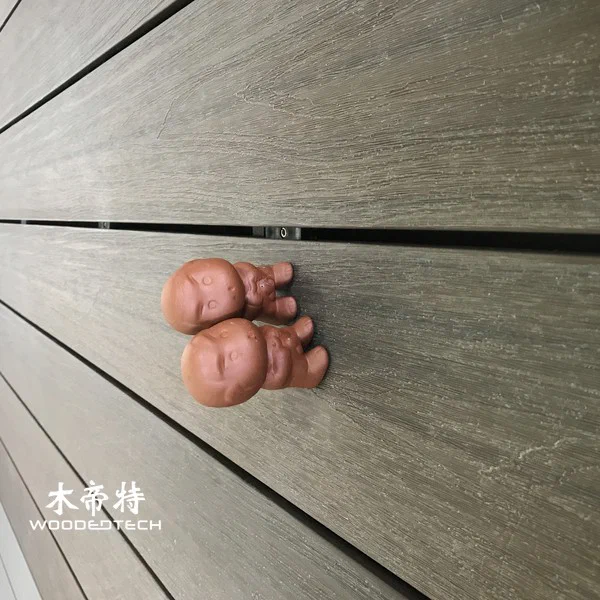
Composite cladding vertical systems are engineered exterior wall solutions that combine modern design with weather-resistant WPC performance. They are widely used for residential, commercial, and public projects where durable facades, low maintenance, and natural wood aesthetics are required.
Design Concept of Vertical Composite Cladding Systems
Vertical composite cladding creates a clean, contemporary facade appearance by arranging WPC boards or profiles in an upright direction. This installation style can visually increase building height, enhance architectural lines, and provide a structured exterior finish for different project types.
For residential applications, vertical cladding is suitable for garden walls, villa exteriors, balconies, outdoor living areas, and private landscape features. Designers can combine different colors, textures, and spacing layouts to create modern facades while reducing maintenance compared with traditional wood.
Commercial buildings, hotels, and resorts often use composite vertical systems for entrance areas, decorative walls, outdoor corridors, and landscape structures. The material provides a warm wood-like appearance while offering better resistance to moisture, UV exposure, and daily environmental changes.
Outdoor Applications and Professional Suggestions
Composite cladding vertical systems can be adapted to various outdoor environments:
- Residential gardens: Use vertical WPC cladding for privacy walls, decorative fences, outdoor rooms, and garden structures. Select textured surfaces for a natural appearance and improved visual depth.
- Commercial landscapes: Apply cladding to feature walls, landscape partitions, and architectural elements to create consistent branding and modern outdoor spaces.
- Hotels and resorts: Install vertical composite facades around entrances, terraces, balconies, and leisure zones to achieve a premium wood-inspired design with easier long-term maintenance.
- Parks and public facilities: Use WPC cladding for information centers, shelters, rest areas, and landscape buildings where durability and public safety are important.
- Swimming pool areas: Choose moisture-resistant composite wall systems for pool surroundings, changing areas, and decorative structures where exposure to water is frequent.
- Balconies and terraces: Combine vertical cladding with waterproof flooring and railing systems to create comfortable outdoor spaces with coordinated finishes.

Performance Benefits for Exterior Projects
A professionally designed composite cladding system provides stable outdoor performance through engineered materials and installation methods. WPC products are resistant to common outdoor challenges such as humidity, insects, and surface fading, making them suitable for long-term exterior applications.
Key performance features include:
- Weather resistance for outdoor environments
- Low maintenance compared with natural timber
- Consistent appearance with multiple surface textures and colors
- Easy integration with aluminum substructures and modern facade designs
- Sustainable material options using recycled wood and plastic components
For architects, contractors, and developers, choosing the correct profile design, fixing method, ventilation structure, and surface treatment is essential for achieving reliable results. Professional suppliers can provide customized profiles, color solutions, and installation guidance for different climate conditions and project requirements.
FAQ
Q: Where can vertical composite cladding systems be installed? A: They can be used for residential gardens, commercial landscapes, hotels, parks, balconies, swimming pool areas, and public facilities.
Q: Why choose WPC vertical cladding instead of natural wood? A: WPC vertical cladding offers a similar wood appearance with improved moisture resistance, lower maintenance needs, and more consistent outdoor performance.
Q: Can composite cladding systems be customized for projects? A: Yes, manufacturers can customize profiles, colors, textures, and installation solutions based on architectural requirements.
Related Articles
 wpc cladding sydney offers modern exterior wall decoration solutions for Australian outdoor building projects
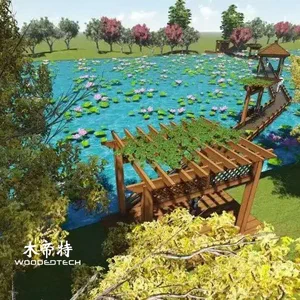 exterior composite wood cladding offers a natural wood appearance with durable outdoor performance
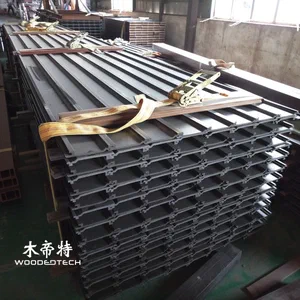 Durable WPC Material Cladding for High-Performance Exterior Projects
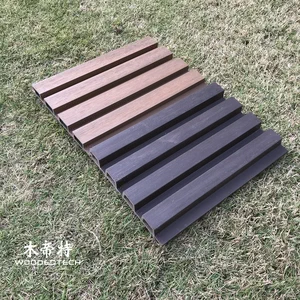 How Long Does Plastic Cladding Last? Lifespan & Durability Analysis
Related Products
 3D17618wood look plastic cladding with three dimensional embossed texture offers unique exterior wall decoration effects
 Q14520.5 wpc cladding outdoor with single layer structure provides a cost effective solution for exterior wall decoration
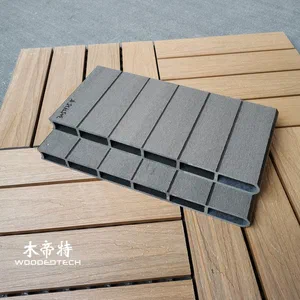 Q30525.4 Extra Wide 300mm Wood Cladding for Exterior Walls with Modern Outdoor Design