
Composite Cladding Material: A B2B Guide to Performance and Applications
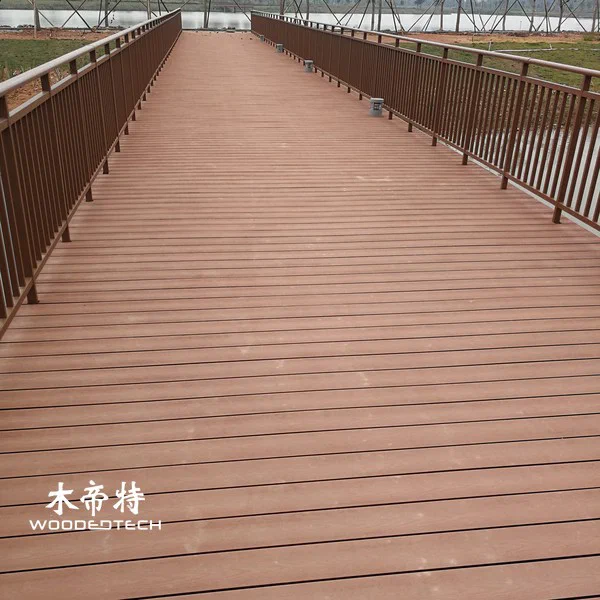
Composite cladding is an exterior wall material made from a blend of wood fibers and polymers, designed to combine a wood-like appearance with improved weather resistance and reduced maintenance. For commercial buildings, residential developments, and industrial projects, wood plastic composite (WPC) cladding offers a practical alternative to natural timber, aluminum, fiber cement, and other facade materials.
Comparing Composite Cladding with Other Exterior Materials
Choosing the right cladding material requires balancing initial purchase price, installation requirements, durability, maintenance, and expected service life. WPC cladding provides a consistent finish and generally requires less upkeep than untreated timber. Unlike natural wood, it does not need routine painting, staining, or preservative treatments, although periodic cleaning and inspection remain necessary. Quality varies by formulation, surface treatment, and installation method, so buyers should assess product specifications rather than relying on material type alone.
Natural timber remains popular for its authentic grain, warmth, and architectural character. However, exposure to moisture, sunlight, insects, and temperature changes can cause fading, cracking, warping, or decay. Regular sealing or coating adds to long-term labor costs. Pressure-treated timber can improve resistance to biological damage, but its performance still depends on the treatment process and environmental conditions.
Aluminum cladding offers a lightweight structure, strong dimensional stability, and noncombustible performance when specified appropriately. It is often suitable for contemporary commercial facades, but can cost more initially and may dent or show scratches. Its thermal movement, finish durability, and compatibility with the supporting system also require consideration. Fiber cement provides good weather resistance and can meet demanding fire-performance requirements, depending on the product. However, its weight, cutting requirements, and potential for edge damage may increase installation complexity.
Performance, Maintenance, and Lifecycle Costs
WPC cladding is particularly attractive for projects where a wood-effect finish and predictable maintenance schedule are priorities. Many products resist moisture, rot, and insect attack better than untreated timber. Co-extruded options add a protective outer layer that can improve resistance to staining, fading, and surface moisture. Nevertheless, WPC is not automatically fireproof or completely waterproof, and prolonged UV exposure can still affect color and appearance.
Lifecycle cost comparisons should include more than the quoted price per square meter. Buyers should calculate material costs, subframes, fasteners, labor, cleaning, repairs, replacement intervals, and disposal. Timber may have a competitive initial price but require repeated finishing. Aluminum may offer a long service life with limited routine maintenance, while fiber cement performance depends on the panel system, coatings, and joint details. WPC can reduce recurring maintenance expenses, but its total cost advantage depends on product quality, local labor rates, climate, and the expected service period.
For B2B procurement, request technical datasheets covering water absorption, dimensional stability, UV resistance, mechanical properties, fire classification, and applicable test standards. Confirm warranty exclusions, color consistency between production batches, minimum order quantities, lead times, and replacement-part availability. A properly designed rainscreen system with suitable ventilation, drainage, expansion gaps, and corrosion-resistant fixings is essential to facade performance, regardless of the cladding material.
Applications and Material Selection

Composite cladding suits residential exteriors, commercial developments, hospitality projects, garden structures, and selected industrial buildings where the specified product meets local building codes. It is available in different profiles, colors, and wood-grain textures, helping architects maintain a consistent exterior design across large projects. For industrial facilities with strict fire, chemical, or impact requirements, WPC should be evaluated against those requirements before specification; aluminum or mineral-based panels may be more appropriate in some applications.
For importers, distributors, contractors, and developers, the best purchasing decision comes from comparing verified performance data, installation costs, maintenance schedules, and expected service life. Selecting the right composite cladding system at the specification stage can help control operating costs while maintaining the intended facade appearance.
FAQ
Q: Is composite cladding better than natural wood?
A: Composite cladding generally requires less routine maintenance and offers good resistance to rot and insects. Natural wood may be preferable when authentic grain, easy refinishing, or a traditional architectural finish is the priority.
Q: Does WPC cladding have a low lifecycle cost?
A: It can offer competitive lifecycle costs by reducing painting, staining, and repair requirements. Actual savings depend on the product specification, installation quality, climate, and service life.
Q: What should B2B buyers check before ordering composite cladding?
A: Review fire classification, weathering performance, dimensional stability, installation requirements, warranty terms, production consistency, and delivery capacity. Samples and verified test reports help confirm suitability before placing a bulk order.
Related Articles

Related Products
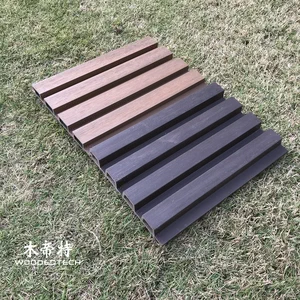
 3D17618wood look plastic cladding with three dimensional embossed texture offers unique exterior wall decoration effects
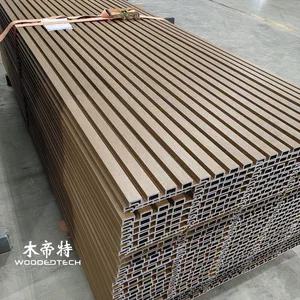
 Q14520.5 wpc cladding outdoor with single layer structure provides a cost effective solution for exterior wall decoration
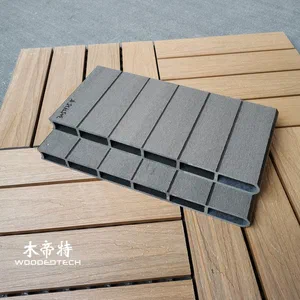 Q30525.4 Extra Wide 300mm Wood Cladding for Exterior Walls with Modern Outdoor Design