Composite Cladding Installation Cost: Key Factors for B2B Project Budgeting
Composite cladding installation cost depends on more than the price of the panels. For B2B construction projects, the total budget is influenced by material specifications, facade dimensions, subframe requirements, labor rates, installation complexity, and transportation. Understanding these cost factors before purchasing helps contractors, distributors, and developers prepare accurate quotations and avoid unexpected expenses during construction.
1. Material Selection and Composite Cladding Prices
Material selection is one of the biggest factors affecting composite cladding installation cost. Wood plastic composite cladding is available in different formulations, surface finishes, thicknesses, and structural designs. Each specification affects the initial purchase price and the long-term performance of the facade.
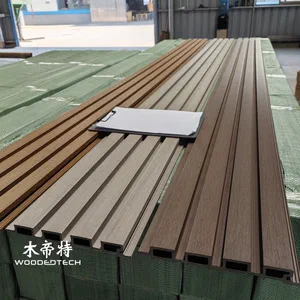
Standard WPC cladding panels are generally more economical than premium products with advanced surface treatments. For example, co-extrusion composite cladding features a protective outer layer designed to improve resistance to moisture, UV exposure, staining, and everyday wear. Although the initial material cost may be higher, it can offer better value for projects where weather resistance and reduced maintenance are important.
Buyers should also consider the following specifications:
- Panel thickness and profile dimensions
- Solid or hollow panel construction
- Surface texture, including wood grain and 3D embossed finishes
- Color consistency and customization requirements
- UV resistance and weather protection
- Fire performance and applicable project certifications
For large commercial developments, selecting a suitable product specification is more important than simply choosing the lowest unit price. A reliable WPC manufacturer should provide technical data sheets, product samples, and clear information about the differences between available product grades.
2. Facade Area and Panel Requirements
The total facade area directly affects material quantities and overall installation costs. Larger projects usually require more composite cladding panels, mounting accessories, and supporting structures. However, bulk purchasing may help reduce the average material cost per square meter.
When calculating material requirements, buyers should not rely exclusively on the building’s total wall area. Window openings, doors, corners, facade transitions, and architectural features all influence the actual panel layout.
A practical estimation should include:
- Total facade area in square meters
- Panel coverage width and standard length
- Cutting and installation allowances
- Corner trims and edge finishing accessories
- Additional panels for replacement and future maintenance
For international B2B buyers, it is also important to confirm the manufacturer’s standard panel dimensions before finalizing the budget. Custom lengths or non-standard profiles may increase production costs, packaging requirements, and lead times.
Accurate quantity calculations help prevent material shortages and reduce unnecessary inventory, particularly when coordinating multiple construction sites.
3. Subframe Systems and Installation Accessories
The supporting structure is another important part of composite cladding installation cost. WPC panels typically require a suitable subframe to create a stable mounting system and maintain the necessary ventilation gap behind the facade.
Depending on the building design and local construction requirements, the subframe may use aluminum profiles, galvanized steel components, or treated timber battens. Aluminum systems often provide good dimensional stability and corrosion resistance, making them suitable for many exterior applications.
The installation budget should account for more than the main panels. Additional components may include:
- Aluminum or galvanized steel support profiles
- Mounting clips and fixing brackets
- Stainless steel screws and fasteners
- Corner profiles and finishing trims
- Spacers and ventilation accessories
- Weatherproofing components where required by the facade design
The choice of fixing system also affects labor costs. Concealed fixing systems can provide a clean, modern appearance but may require more precise installation than simpler exposed fastening methods.
B2B buyers should request a complete installation accessory list from their supplier rather than comparing panel prices alone. This makes quotations more consistent and reduces the risk of missing components during procurement.
4. Labor Costs and Project Installation Complexity
Labor costs vary significantly between countries, regions, and construction companies. In markets with higher labor rates, installation expenses can represent a substantial proportion of the total facade budget.
Building height, wall conditions, accessibility, and architectural complexity also influence installation time. A straightforward commercial exterior with large, regular wall sections is generally easier to install than a facade featuring curved surfaces, multiple corners, decorative details, and irregular openings.
Several practical considerations affect labor requirements:

- Surface preparation and correction of uneven walls
- Installation of the supporting framework
- Panel cutting and alignment
- Fixing around windows, doors, and corners
- Working platforms, scaffolding, or lifting equipment
- Site safety procedures and inspection requirements
Another important consideration is installer experience. Contractors familiar with WPC cladding installation are more likely to understand expansion allowances, ventilation requirements, fixing distances, and panel alignment.
Manufacturers can support overseas projects by providing installation manuals, technical drawings, and guidance on recommended fixing methods. These resources help local installation teams work more efficiently and reduce avoidable construction errors.
5. Transportation, Packaging, and International Procurement
For international distributors and construction contractors, transportation can significantly affect the landed cost of composite cladding.
WPC panels are relatively bulky, so container loading efficiency and packaging design matter. Standard product lengths, protective packaging, and optimized loading arrangements can help reduce transportation expenses per square meter.
When comparing overseas suppliers, buyers should evaluate the complete procurement cost, including:
- Factory price and minimum order quantity
- Export packaging and pallet requirements
- Inland transportation to the departure port
- Ocean freight and insurance
- Import duties and customs clearance
- Local delivery to the construction site
Incoterms also influence how costs and responsibilities are divided between suppliers and buyers. FOB, CIF, and DDP quotations should therefore be compared on an equivalent basis.
A manufacturer experienced in international WPC exports can help buyers select suitable packaging, prepare export documentation, and coordinate production schedules. For large projects, confirming the expected shipment volume and delivery timeline early can make procurement planning more predictable.
6. Long-Term Maintenance and Total Project Value
Initial installation cost is only one part of the financial evaluation. Commercial building owners and property developers should also consider maintenance requirements and expected service life when comparing exterior wall cladding materials.
Traditional timber cladding may require periodic painting, staining, sealing, or replacement of damaged sections. Quality composite cladding generally requires less routine maintenance, although periodic cleaning and inspection remain necessary.
Co-extrusion WPC products can offer additional surface protection for projects exposed to strong sunlight, humidity, and changing weather conditions. Their protective outer layer may help maintain appearance and reduce certain maintenance requirements over time.
Buyers should assess product quality through manufacturing specifications, test reports, warranty conditions, and consistency between production batches. A lower-priced product may become more expensive if it requires frequent repairs or premature replacement.
For distributors and facade contractors, choosing a dependable composite cladding manufacturer also helps reduce procurement risks. Consistent product dimensions, stable supply capacity, and technical support are valuable considerations when managing repeat orders and large-scale developments.
Preparing an Accurate Composite Cladding Budget
A reliable composite cladding budget should combine material costs, supporting structures, accessories, installation labor, transportation, and future maintenance considerations. Buyers should request itemized quotations based on actual facade drawings, required panel specifications, installation methods, and delivery destinations.
For manufacturers and international suppliers, providing transparent pricing and complete technical information makes project evaluation easier for overseas customers. A detailed quotation should clearly distinguish panel prices from accessory costs and identify any additional charges for customized profiles, special finishes, or packaging.
By evaluating these factors together, contractors, developers, and distributors can select suitable WPC cladding products, control project expenditure, and achieve a balance between upfront investment, facade performance, and long-term operating costs.