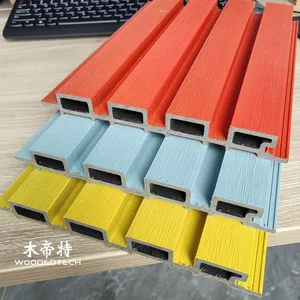
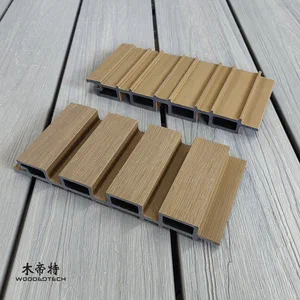
Composite Cladding Dormer: Industrial Solutions for Facade Systems
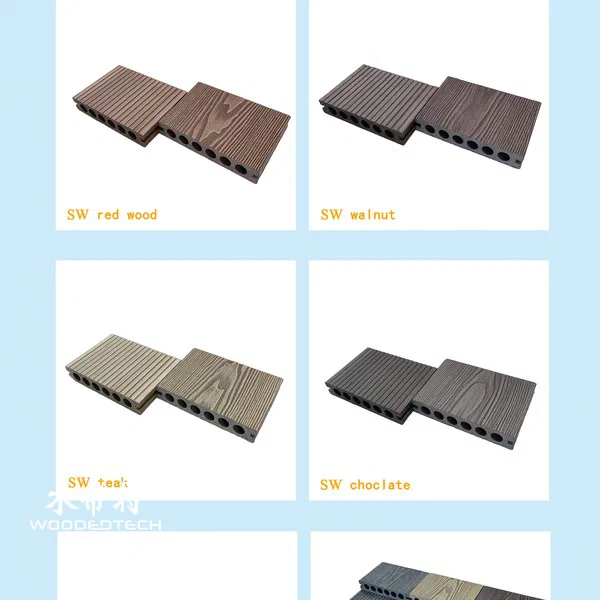
Composite cladding dormer systems provide a modern facade solution that combines architectural appearance with long-term exterior performance. Designed for residential, commercial, and industrial buildings, these systems use wood plastic composite materials to create durable dormer finishes while reducing maintenance compared with traditional timber cladding.
Composite Cladding Dormer for Modern Facade Systems

A dormer facade requires materials that can withstand changing weather conditions, UV exposure, moisture, and temperature fluctuations. Outdoor WPC cladding offers a practical alternative to natural wood by delivering a wood-like appearance with improved dimensional stability. For industrial facade projects, composite cladding panels can be customized in different profiles, textures, and colors to match architectural requirements.
Compared with natural wood, WPC cladding provides better resistance to water absorption, rot, insects, and cracking. Timber requires regular sealing, staining, and inspection to maintain its appearance, especially in humid or coastal environments. Aluminum and other metal facade materials offer excellent strength and fire performance, but they may lack the warm visual effect of wood and can require specialized fabrication for decorative designs.
Material Comparison: WPC, Wood, Aluminum, and Other Exterior Options
Outdoor facade materials each have different performance characteristics:
- Wood plastic composite cladding: Offers a natural wood appearance, moisture resistance, low maintenance, and stable performance for exterior applications.
- Natural wood cladding: Provides authentic texture and beauty but requires frequent maintenance such as painting, oiling, and protection against decay.
- Traditional timber systems: Deliver structural strength and classic aesthetics, but expansion, warping, and weather damage can increase lifecycle costs.
- Aluminum cladding: Provides high durability, corrosion resistance, and lightweight installation. However, it usually requires additional surface treatments to achieve a wood-effect appearance.
- Fiber cement and plastic-based panels: Can offer affordability and weather resistance but may have limitations in texture, impact resistance, or design flexibility.
For facade contractors and building developers, composite cladding provides a balanced option between appearance, performance, and installation efficiency.
Maintenance and Lifecycle Cost Analysis
The main advantage of composite cladding dormer systems is reduced long-term maintenance. WPC materials generally require only regular cleaning with water and mild detergent, without the repainting or sealing cycles needed for timber. This helps reduce labor costs and minimizes building downtime.
Natural wood may have a lower initial purchase price in some regions, but ongoing maintenance can significantly increase total ownership costs. Timber treatments, repairs, and replacement of damaged boards add expenses throughout the building lifecycle. Aluminum has a longer service life and low maintenance requirements, but initial fabrication costs can be higher.
WPC cladding offers a predictable lifecycle cost by combining durability with simple maintenance. For large-scale facade projects, this stability makes budgeting easier and supports sustainable construction goals.
Industrial Applications and Design Flexibility
Composite cladding dormer systems are suitable for villas, office buildings, hotels, commercial developments, and renovation projects. Manufacturers can provide customized profiles, including horizontal boards, vertical panels, and wood grain finishes.
Modern WPC facade solutions also support sustainable building practices by incorporating recycled materials and reducing dependence on natural timber resources. With options such as wood plastic composite cladding, architects can achieve a premium exterior appearance while improving weather resistance and operational efficiency.
FAQ
Q: How does composite cladding compare with timber for exterior dormers? A: Composite cladding requires less maintenance and offers better resistance to moisture, insects, and cracking compared with traditional timber.
Q: Is WPC cladding suitable for industrial facade projects? A: Yes, WPC cladding is widely used for commercial and industrial facades because of its durability, design flexibility, and low maintenance requirements.
Q: What maintenance does composite cladding require? A: Regular cleaning is usually sufficient, with no routine painting, staining, or sealing required.
Related Articles
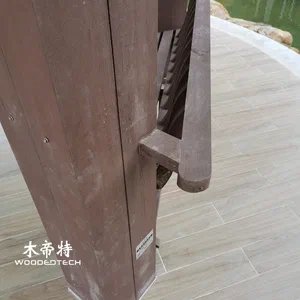 Plastic cladding that looks like wood provides modern exterior decoration with natural style
 exterior composite wood cladding offers a natural wood appearance with durable outdoor performance
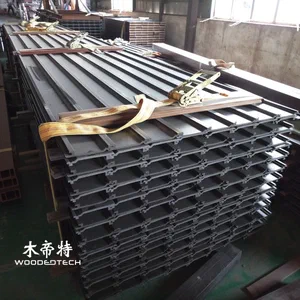 Durable WPC Material Cladding for High-Performance Exterior Projects
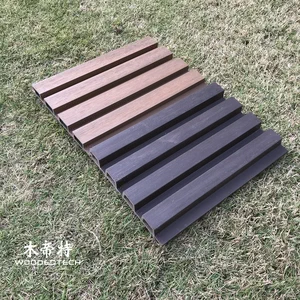 How Long Does Plastic Cladding Last? Lifespan & Durability Analysis