
Composite Balcony Decking: Key Benefits and Selection Criteria for Commercial Projects
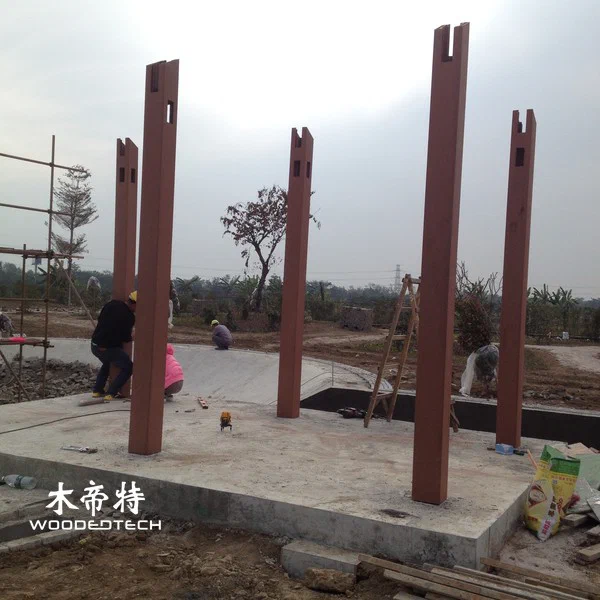
Composite balcony decking offers architects and landscape designers a durable, low-maintenance alternative to traditional timber for commercial outdoor spaces. Made from a blend of wood fibers and polymers, wood plastic composite (WPC) decking combines a natural wood appearance with improved resistance to moisture, weathering, and everyday wear. For hotels, apartments, office buildings, and mixed-use developments, selecting the right decking system helps balance appearance, safety, lifecycle costs, and installation requirements.
Key Benefits of Composite Balcony Decking for Commercial Projects
Commercial balconies face constant exposure to sunlight, rain, temperature changes, and frequent foot traffic. Compared with conventional timber, quality composite decking typically requires less maintenance because it does not need regular sanding, staining, or painting. Routine cleaning with water and a suitable mild detergent is generally sufficient, helping property managers reduce maintenance labor and minimize disruption to occupants.
Material stability is another important consideration. WPC decking is designed to resist common problems associated with timber, including splintering and decay. Capped composite decking adds a protective outer layer that can improve resistance to moisture absorption, stains, and fading, depending on the product specification. These features make it suitable for hospitality terraces, residential balconies, rooftop amenity areas, and other outdoor environments where consistent appearance matters.
Design flexibility also supports contemporary landscape architecture. Manufacturers offer a range of colors, wood-grain textures, board profiles, and installation patterns. Designers can coordinate decking with composite balcony railing, exterior wall cladding, and outdoor furniture to create a unified architectural finish. However, color samples should be reviewed under actual site lighting because appearance can vary between samples and installed surfaces.
Material Selection and Technical Considerations
Choosing the right composite decking requires more than comparing prices and colors. Architects should assess the expected traffic level, local climate, balcony exposure, drainage conditions, and project lifespan. Commercial developments with intensive use may benefit from products with durable surface treatments and documented performance under relevant environmental conditions.
Key selection criteria include:
- Slip resistance: Request test data for wet conditions and confirm suitability for the intended application.
- Weather resistance: Check UV stability, moisture resistance, and performance across expected temperature changes.
- Structural compatibility: Verify board span limits, joist spacing, fastening requirements, and design loads with the manufacturer and project engineer.
- Fire performance: Review applicable building codes and required fire-test classifications, particularly for high-rise balconies.
- Product consistency: Confirm dimensions, color availability, production tolerances, and replacement-stock arrangements for large orders.
WPC decking is not automatically waterproof as a complete balcony system. Water must drain through appropriate gaps or designated drainage channels, while the underlying waterproofing membrane remains protected and functional. Designers should also account for thermal expansion, ventilation, perimeter clearances, and access for future inspection. Balcony substrate conditions, railing connections, and structural capacity must be evaluated independently of the decking material.

Installation Planning and Long-Term Value
Successful commercial installation starts with coordination between the architect, structural engineer, waterproofing contractor, and decking supplier. The installation system must suit the substrate and allow effective drainage without compromising the building envelope. Where adjustable pedestals or elevated subframes are proposed, their load capacity, wind-uplift resistance, and compatibility with the waterproofing system require professional verification.
Procurement teams should compare total installed cost rather than board prices alone. Subframe components, clips, edge trims, labor, waste, maintenance, and expected replacement needs all influence lifecycle value. Before placing a bulk order, request technical datasheets, installation instructions, warranty terms, relevant test reports, and physical samples. A qualified WPC supplier should also confirm product suitability for the project’s climate and commercial-use requirements.
FAQ
Q: Is composite balcony decking suitable for high-rise buildings?
A: It can be suitable when the selected product and installation system meet applicable fire, structural, wind, drainage, and building-code requirements. Project-specific approval is essential.
Q: Is capped composite decking better for commercial balconies?
A: Capped decking can offer improved surface protection against stains, moisture, and fading. The best choice depends on exposure conditions, performance data, budget, and maintenance expectations.
Q: What should buyers request from a commercial WPC decking supplier?
A: Request technical specifications, fire and slip-resistance test reports where applicable, installation guidance, warranty details, samples, and confirmation of production capacity for the required quantity.
Related Articles
 Outdoor WPC Platform Solutions: A B2B Guide to Durability and Performance
 Composite Decking Examples: Industrial Applications and Material Selection Guidelines
 Top Composite Decking Brands for Commercial and Industrial Projects
 wpc composite decking malaysia provides weather resistant outdoor flooring solutions for tropical environments
Related Products
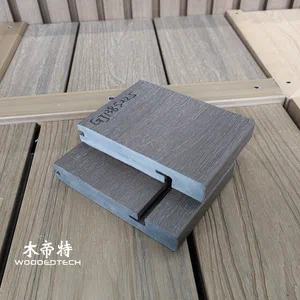 GD13822.5S Fully Capped Solid Starter Wood Polymer Composite Decking Provides a Stable Starting Structure for the First Decking Board
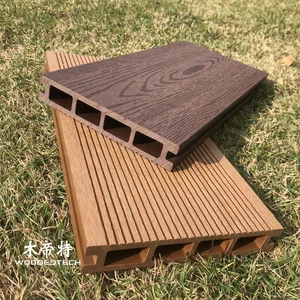 D14025-4 Composite for Decking Provides Stable Performance and Reliable Quality as a Popular Choice for Outdoor Projects
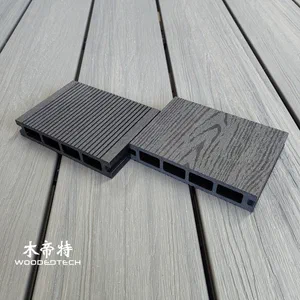 D14025-4 WPC Decking Boards Feature a Flat Wood Grain Surface with Black Ebony Heartwood Ring Grain for Outdoor Applications