
Complete wpc cladding detail | Installation Specifications & CAD
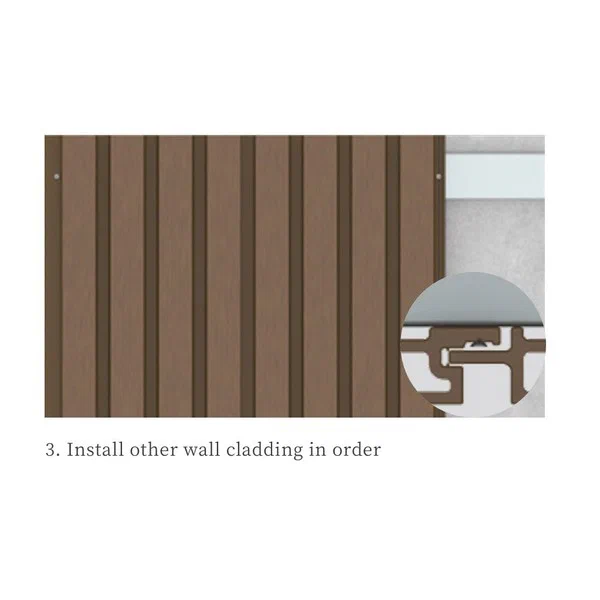
Complete WPC cladding detail matters when specifiers need a finish that looks clean, installs efficiently, and performs reliably in exterior conditions. For industrial projects, WPC cladding offers a practical balance of weather resistance, low maintenance, and consistent appearance across large façades.
Product Scope and Typical Use

For B2B buyers, the value is not only the surface finish. It is also the repeatable quality of the profile, predictable lead times, and the ability to match project drawings with standard or custom dimensions. Common applications include:
- exterior wall cladding
- facade screening
- column wrapping
- soffit and accent wall systems
Installation Specifications
A proper WPC cladding installation guide starts with the substructure. Use level battens or aluminum joists, maintain expansion gaps, and avoid rigid fixing that can restrict thermal movement. In most projects, concealed clips or stainless steel fasteners are preferred for a cleaner finish and faster installation.
Key installation points include:
- confirm wall flatness before mounting
- leave movement space at edges and joints
- use corrosion-resistant fixings
- follow the manufacturer’s recommended spacing for battens
- seal cut ends and exposed edges where required
Because WPC expands and contracts with temperature, installers should not treat it like solid timber or rigid PVC. The panel layout, clip type, and fixing pattern must match the specific product line to preserve alignment and prevent warping.
CAD Detail Considerations
For architects and contractors, CAD details should show profile section, fixing method, backing structure, corner treatments, and transition points around openings. Good drawings reduce site variation and help ensure the cladding system integrates with insulation, waterproof membranes, and the supporting wall.
When requesting CAD files, specify:
- wall cladding dimensions
- panel thickness and coverage width
- joint width and clip allowance
- starter trim and termination detail
- vertical or horizontal installation orientation
This level of documentation is especially important for tendering and quantity takeoff. It helps procurement teams compare offers accurately and gives installers a clear reference before work begins.
Material Selection for B2B Projects
Not all WPC cladding performs the same. Buyers should compare UV resistance, color stability, surface texture, and fire rating options according to project needs. For humid, coastal, or high-exposure sites, exterior-grade formulations are a safer choice than general decorative panels.
Suppliers that support custom production, private label programs, and stable batch consistency are often better suited to export and large-volume contracts. If the project needs a unified envelope, matching cladding with WPC louvers, screens, or railing systems can also improve visual continuity.
FAQ
Q: Is WPC cladding suitable for commercial exteriors? A: Yes, it is widely used on commercial façades because it resists moisture and needs less maintenance than natural wood.
Q: What should a CAD detail for WPC cladding include? A: It should show the profile section, fixing system, substructure spacing, joints, and edge termination details.
Q: Does WPC cladding need special maintenance? A: It only needs routine cleaning with water and mild detergent. Avoid abrasive tools and harsh chemicals.
Related Articles
 2026 wpc wall cladding price Guide | Wholesale Costs & Estimates
 Exterior cladding wpc Panels | Weather-Resistant Architectural Facades
 Outdoor Decorative Wall Panel Wood Plastic Materials | Eco-Friendly Cladding Factory
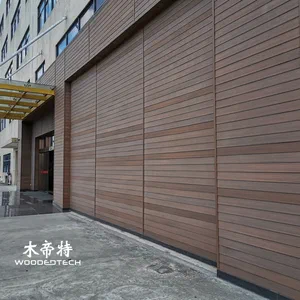 Wood Plastic Composite Wall Panel Manufacturer - High-Performance Facade Cladding
Related Products
 3D14520.5wpc exterior wall paneling with 3D embossed surface design creates stylish outdoor building facade solutions
 3D17618wood look plastic cladding with three dimensional embossed texture offers unique exterior wall decoration effects
 Q32318 plastic wood grain cladding provides two wood textures on one panel for creative outdoor wall designs