
Complete Guide to Planning a 4m x 3m composite decking Layout
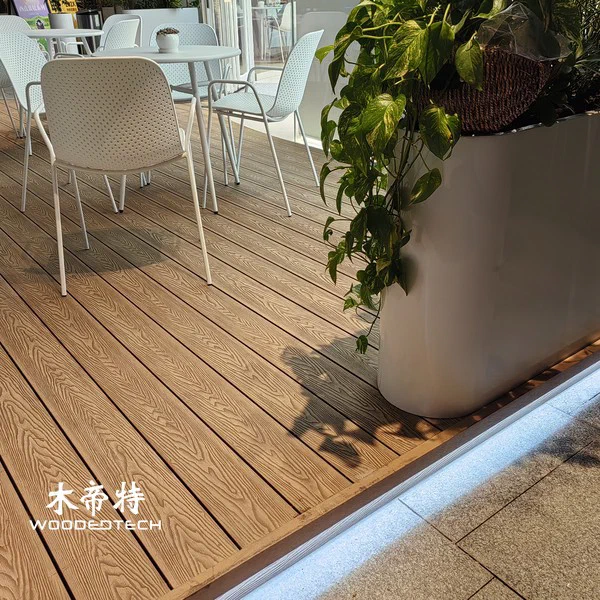
A 4m x 3m composite decking layout is a compact, practical solution for commercial terraces, showroom entrances, hospitality patios, and other outdoor spaces that need durable performance with a clean finish. For B2B buyers, the goal is not just to cover the area, but to plan an efficient deck that controls material waste, supports safe traffic flow, and delivers a consistent brand image.
Start with the layout logic
A 4m x 3m deck gives you 12 square meters to work with, so every board direction and cut matters. The smartest approach is to map the primary traffic path first, then align the boards to visually widen or lengthen the space depending on the site. For example, running boards along the 4m side can make narrow areas feel more open, while perpendicular lines can emphasize depth.
Composite decking works especially well in small commercial layouts because it offers stable dimensions, low maintenance, and strong weather resistance. Choose the board profile based on the application: capped composite decking is often preferred for higher-traffic projects, while grooved finishes can support a more refined, modern look. If the site is exposed to moisture, prioritise slip resistance and drainage under the deck.
Plan the substructure and spacing

Material planning is just as important as structural planning. Count boards, starter clips, trim pieces, and fasteners before placing a bulk order. For commercial buyers, this reduces project delays and helps control composite decking cost across multiple sites or rollout phases.
Make the design work for the business
A well-planned decking layout should support how the space is used. Restaurant terraces may need room for tables and circulation lanes, while retail entrances may need a clear branded threshold. In both cases, the deck should look intentional from every angle, with clean edges, balanced board joints, and color choices that match the building facade.
Composite decking boards also offer flexibility in appearance. Neutral tones suit corporate and hospitality settings, while darker colors can frame premium outdoor zones. If the project is part of a larger package, you can coordinate the deck with railing, cladding, or pergola elements for a more complete exterior system.
Installation checks before handover
Before final approval, inspect the surface for level consistency, secure fixings, clean cut lines, and proper edge detailing. Drainage should remain unobstructed, and the deck should feel solid under foot traffic. A good installation protects the investment and reduces after-sales maintenance, which matters for contractors, developers, and facility managers alike.
FAQ
Q: How many composite decking boards are needed for a 4m x 3m layout? A: It depends on the board width and gap allowance. Measure the finished coverage area carefully and add extra material for cuts, waste, and future replacements.
Q: Is composite decking suitable for commercial outdoor use? A: Yes, it is widely used for terraces, walkways, and hospitality spaces because it is durable and low maintenance. It also performs well in weather-exposed environments when installed correctly.
Q: What should B2B buyers prioritize when planning this size deck? A: Focus on substructure design, slip resistance, board direction, and total installed cost. These factors have the biggest impact on safety, appearance, and long-term value.
Related Articles

Related Products
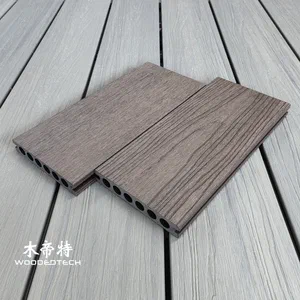 3DGD13823 Second Generation 3D Embossed Rosewood Composite Balcony Decking Delivers Ultra Realistic Wood Grain Texture and a Premium Natural Wood Experience
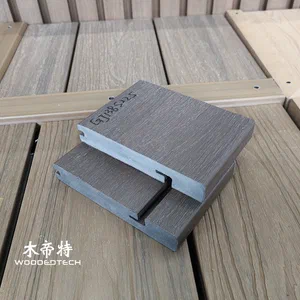 GD13822.5S Fully Capped Solid Starter Wood Polymer Composite Decking Provides a Stable Starting Structure for the First Decking Board
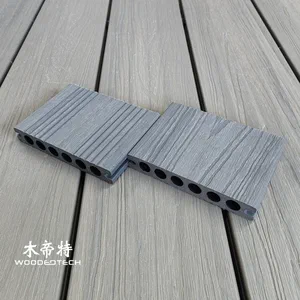 GD13823-3 Light Grey Premium Co Extrusion WPC Composite Decking Offers LG Texture and Excellent UV Resistance for Outdoor Spaces