
Competitive composite decking prices: Wholesale Rates for Your Project
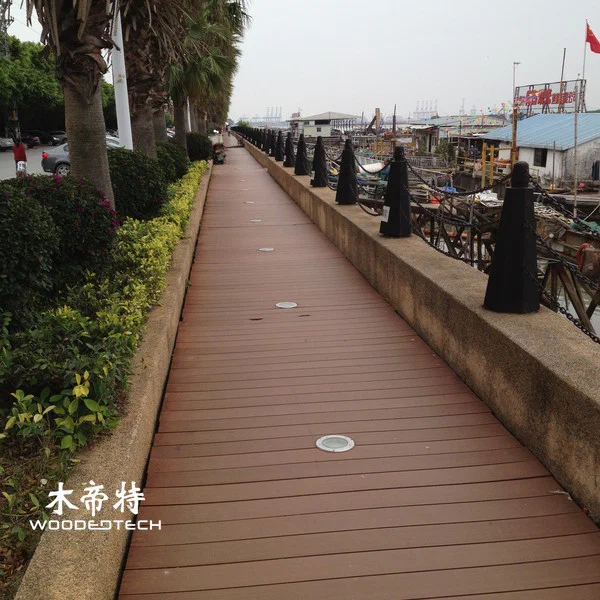
Competitive composite decking prices give project buyers a practical way to balance performance, appearance, and budget. For wholesalers, contractors, and distributors, the best value is rarely the lowest unit price alone; it comes from stable supply, consistent quality, and lower long-term maintenance costs.
What Drives Wholesale Pricing

Buyers comparing composite decking prices should look beyond the headline rate and review the full specification. Boards with better UV resistance, stronger stain protection, and tighter dimensional stability usually command a higher price, but they also reduce replacement risk and customer complaints. That is why many B2B buyers prefer a mid-range product with proven field performance over the cheapest option.
How To Compare Suppliers
A fair comparison starts with the same technical baseline. Ask each supplier for board size, density, surface type, warranty terms, and recommended installation method. If a quote looks unusually low, check whether it includes accessories, fastening systems, or pallet-ready export packing.
For large projects, wholesale pricing is often improved by batching orders, selecting standard colors, and aligning production with factory schedules. A reliable supplier should be able to support repeat orders with consistent color matching and product availability, especially for commercial developments, hospitality sites, and public outdoor spaces.
What Buyers Should Confirm
- Unit price by order quantity
- Surface finish and capped layer type
- Lead time and production capacity
- Loading method and shipping terms
- Warranty coverage and claim process
Getting Better Project Value
The strongest purchasing decision is one that lowers total project cost, not just initial spend. Composite decking can reduce labor, repainting, sealing, and replacement work compared with traditional wood, which matters for multi-site programs and long-term asset owners. Buyers searching for competitive composite decking prices should therefore compare lifecycle value, not only catalog pricing.
If you are sourcing for wholesale distribution or a construction project, request samples and a full quote breakdown before placing volume orders. That helps verify color consistency, surface quality, and installation compatibility before the main shipment is booked.
FAQ
Q: Why do composite decking prices vary so much? A: Prices change based on material quality, board structure, surface treatment, order volume, and shipping costs. Two products that look similar can perform very differently over time.
Q: Is a higher-priced board always better? A: Not always, but premium boards often offer better durability and lower maintenance. The best choice depends on project use, climate, and budget targets.
Q: What should B2B buyers ask before ordering? A: Confirm specifications, warranty terms, lead time, packaging, and whether accessories are included. That helps avoid hidden costs and delivery issues.
Related Articles

Related Products
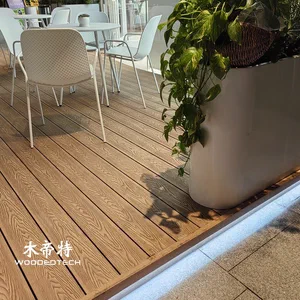
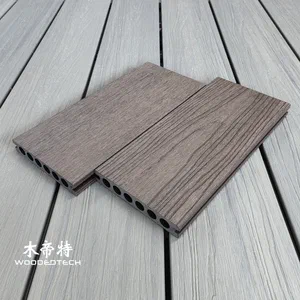 3DGD13823 Second Generation 3D Embossed Rosewood Composite Balcony Decking Delivers Ultra Realistic Wood Grain Texture and a Premium Natural Wood Experience
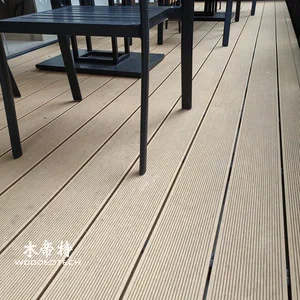
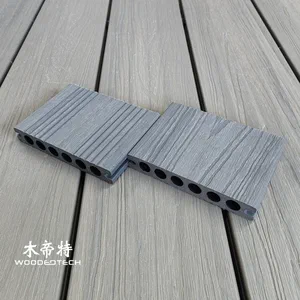 GD13823-3 Light Grey Premium Co Extrusion WPC Composite Decking Offers LG Texture and Excellent UV Resistance for Outdoor Spaces
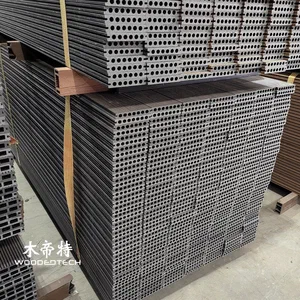
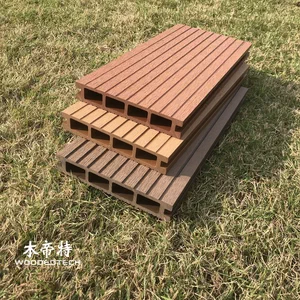 D14025-3 Square Hole Double Sided Grooved WPC Board Factory Producing Outdoor Decking Boards With Good Slip Resistance