
Comparing WPC Massiv oder Hohlkammer: Key Factors for Industrial Applications in 2023
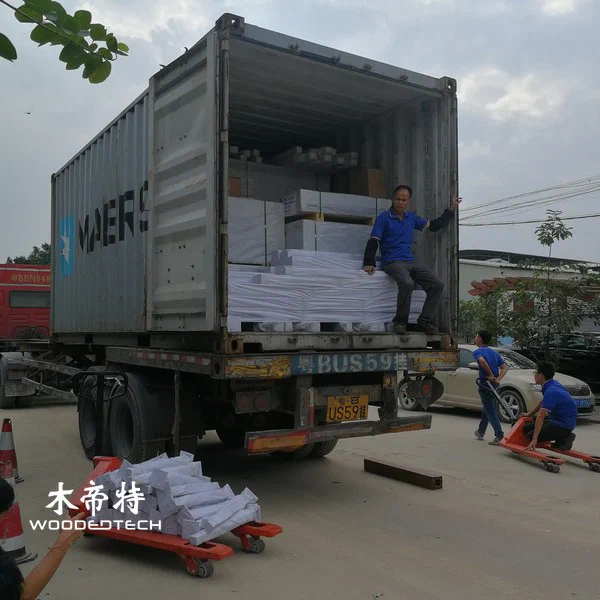
Wood plastic composite (WPC) is gaining traction in industrial applications, particularly as a durable alternative to traditional materials like natural wood, timber, and aluminum. This article compares solid WPC to hollow-core WPC, as well as to other exterior materials, analyzing their advantages, disadvantages, maintenance needs, and lifecycle costs.
Advantages of WPC
WPC combines the aesthetic appeal of wood with the durability of plastic. It is resistant to rot, insects, and moisture, making it ideal for outdoor environments. Key benefits include:

- Low maintenance: WPC requires less upkeep compared to natural wood, which needs regular sealing and staining.
- Eco-friendly: Many WPC products are made from recycled materials, contributing to sustainability.
- Versatility: It can be molded into various shapes and finishes, providing design flexibility.
Disadvantages of WPC
Despite its many advantages, WPC has some downsides.
- Initial cost: WPC can be more expensive upfront compared to traditional wood products.
- Temperature sensitivity: WPC may expand or contract with temperature fluctuations, which can affect installation.
- Limited lifespan compared to some metals: While WPC is durable, it may not last as long as aluminum in harsh conditions.
Comparison with Natural Wood and Traditional Timber
Natural wood and traditional timber offer a timeless elegance but come with significant drawbacks in outdoor applications.
- Aesthetics: Wood provides a classic look that many prefer, but it is prone to warping, splintering, and insect damage.
- Maintenance: Natural wood requires regular maintenance (staining, sealing, and painting) to preserve its appearance and functionality.
- Cost-effectiveness: While the initial cost of wood may be lower, the ongoing maintenance can add up, making WPC a cost-effective alternative in the long run.
Aluminum and Other Exterior Materials
Aluminum is another popular choice for outdoor applications, known for its durability and resistance to corrosion. However, it has its own set of challenges.
- Weight: Aluminum is lightweight, which can be advantageous in some applications, but it may not provide the same structural integrity as heavier materials.
- Thermal conductivity: Aluminum can get hot in direct sunlight, making it less comfortable for outdoor use.
- Cost: Aluminum typically has a higher upfront cost than WPC but offers a long lifecycle with minimal maintenance.
Other materials like vinyl and concrete can also be considered. Vinyl is low-maintenance but lacks the aesthetic appeal of wood. Concrete is durable but can be heavy and less versatile in design.
Maintenance Requirements and Lifecycle Costs
When evaluating lifecycle costs, WPC often emerges as the more economical choice.
- WPC: Requires minimal maintenance, saving time and money over the years. Its resistance to moisture and pests reduces the need for replacements.
- Natural wood: Requires regular upkeep, which can lead to increased costs over time. Additionally, it may need to be replaced more frequently due to wear and tear.
- Aluminum: While low in maintenance, its initial cost can be high. However, it can last for decades with proper care.
Related Articles
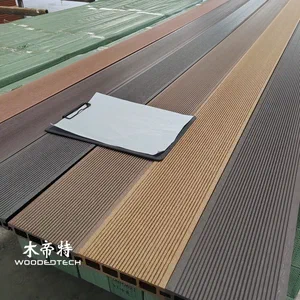 Enhancing Outdoor Spaces: The Benefits of WPC Fencing for Industrial Applications
 Evaluating Top Brands of Composite Decking for Sustainable Building Solutions
 Exploring the Benefits of Plastic Wood Look Cladding for Modern Industrial Applications
 Exploring WPC Plywood: The Future of Sustainable Building Materials in 2023
Related Products
 GD13820 M Shape Co Extruded Composite Deck Planks Feature a Special Profile Design for Distinctive Outdoor Decking Applications
 GD13823-3 Composite Boards for Decking Are Available in Multiple Stock Colors with 3 Meter Lengths and Single Piece Delivery
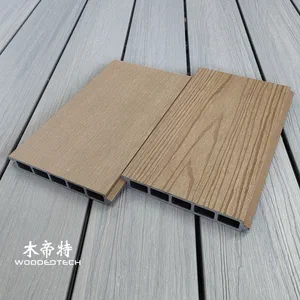 3DGL18024 WPC Longboard Fence Features Premium Co Extruded 3D Embossed Teak Wood Grain Texture with Realistic Natural Wood Fibers