
Comparing the Price of Composite Decking vs Wood: Insights for 2023 B2B Buyers
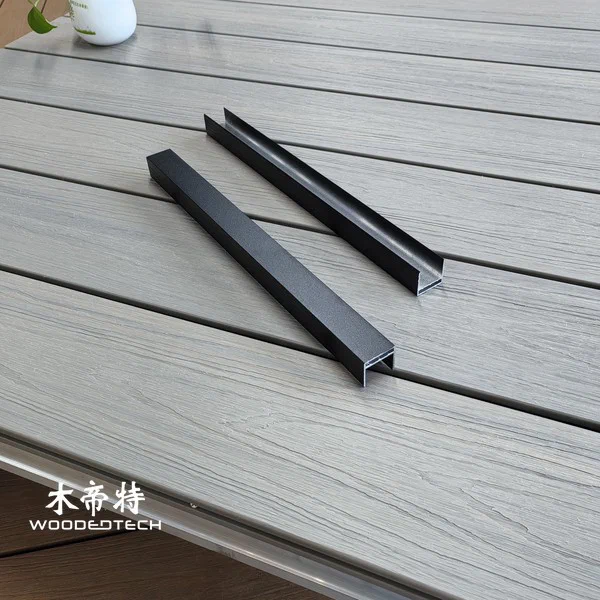
Composite decking, often made from a blend of wood fibers and plastic, is increasingly popular for outdoor applications. It offers a viable alternative to traditional wood, aluminum, and other materials. This article compares outdoor WPC (wood-plastic composite) with natural wood, traditional timber, and aluminum, focusing on advantages, disadvantages, maintenance requirements, and lifecycle costs.
Advantages of WPC
WPC offers several benefits that make it an attractive option for outdoor spaces:
- Durability: WPC is resistant to rot, warping, and insects, which can plague traditional wood.
- Low Maintenance: Unlike natural wood that requires regular sealing and staining, composite decking needs minimal upkeep, typically just occasional cleaning.
- Aesthetic Versatility: Available in various colors and textures, WPC can mimic the appearance of wood without the inherent drawbacks.
- Eco-Friendly Options: Many manufacturers use recycled materials in their composite products, making WPC a more sustainable choice.
Disadvantages of WPC
Despite its many advantages, WPC has some disadvantages to consider:
- Cost: Initial investment in WPC can be higher than budget wood options, though it may offer savings over time.
- Heat Retention: Composite materials can become hot under direct sunlight, which may be uncomfortable for bare feet.
- Limited Repairability: Unlike wood, which can be sanded or refinished, damaged WPC may require replacement.
Comparing Natural Wood
Natural wood is often viewed as a classic choice for outdoor projects, yet it has its own set of pros and cons:
Advantages:
- Aesthetic appeal and authenticity.
- Easier to cut and shape during installation.
- Can be refinished multiple times.
Disadvantages:
- Requires significant maintenance, including staining and sealing to protect against the elements.
- Susceptible to rot, insect damage, and warping.
- Shorter lifespan compared to WPC, especially in harsh climates.
Traditional Timber vs. Aluminum
Traditional timber has long been a preferred choice for decking, but aluminum is gaining traction for its unique properties.
Traditional Timber:
- Pros: Natural beauty, easy to work with, and can be stained or painted.
- Cons: High maintenance, prone to rot and pests, and can be expensive over time due to upkeep.
Aluminum:
- Pros: Highly durable, resistant to corrosion, and does not require painting or staining.
- Cons: Typically more expensive than wood and WPC, and can lack the warm aesthetic appeal of timber.
Maintenance Requirements
When it comes to maintenance, the differences between these materials are stark:
- WPC: Requires minimal maintenance. A simple wash with soap and water suffices to keep it looking fresh.
- Natural Wood: Needs regular maintenance, including cleaning, sealing, and periodic sanding or refinishing to maintain its appearance and integrity.
- Traditional Timber: Similar to natural wood, it requires ongoing care and protection from moisture and pests.
- Aluminum: Very low maintenance; a wash with soapy water is often all that’s needed to keep it clean.
Lifecycle Costs
Understanding lifecycle costs is crucial for making informed decisions:
- WPC: While the initial cost may be higher than that of wood, its longevity and low maintenance needs often result in lower total costs over time.
- Natural Wood: Lower initial costs can be misleading, as ongoing maintenance and replacement costs can add up significantly.
- Traditional Timber: Similar to natural wood, the long-term costs can escalate with maintenance and potential repairs.
- Aluminum: Higher upfront costs, but minimal maintenance can balance out expenses over the lifecycle of the product.

Related Articles
 Composite Wood Decking Cost Depends On Material Quality Design And Project Requirements
 Understanding Pricing: How Much Are Composite Deck Boards in 2023?
 Composite Decking vs Wood: A B2B Guide to Performance, Costs and Durability
 Disadvantages Of Composite Decking Help Buyers Better Understand Product Features and Limitations
Related Products
 GD13820 M Shape Co Extruded Composite Deck Planks Feature a Special Profile Design for Distinctive Outdoor Decking Applications
 GD13823-3 Composite Boards for Decking Are Available in Multiple Stock Colors with 3 Meter Lengths and Single Piece Delivery
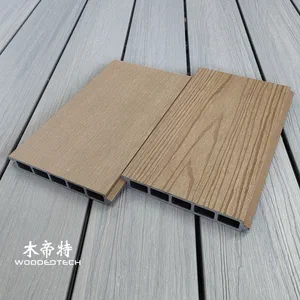 3DGL18024 WPC Longboard Fence Features Premium Co Extruded 3D Embossed Teak Wood Grain Texture with Realistic Natural Wood Fibers