
Comparing the Cost of Composite Decking vs Wood: Insights for 2024 Business Decisions
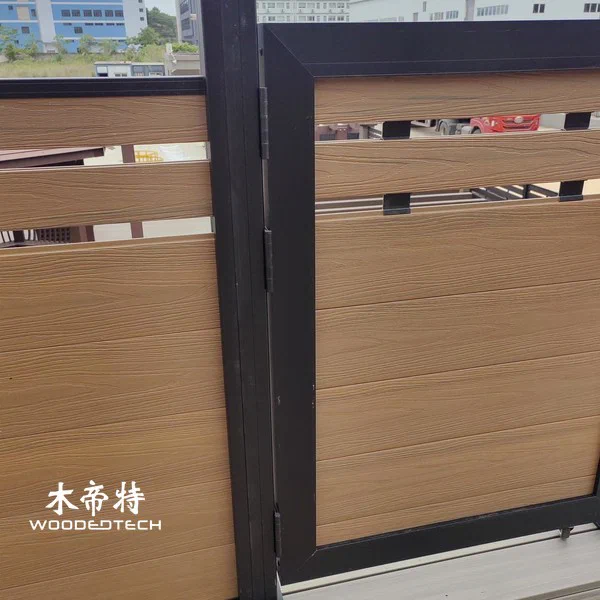
Composite decking, particularly wood plastic composite (WPC), is increasingly popular for outdoor spaces, but how does it stack up against traditional materials like natural wood, aluminum, and other options? This comparison highlights the advantages and disadvantages of each material, focusing on maintenance, lifecycle costs, and overall performance to help inform business decisions in 2024.
Advantages of WPC Decking

WPC decking offers several benefits over traditional wood and metal options. One of its most appealing features is its low maintenance requirement. Unlike natural wood, which needs regular sealing, staining, and treatment to prevent rot and insect damage, WPC is resistant to these issues due to its composite nature. This resistance translates to lower maintenance costs over its lifespan.
Another advantage of WPC is its durability. It is designed to withstand harsh weather conditions, including intense sunlight and heavy rain. Many WPC products are engineered with UV protection and anti-slip surfaces, making them ideal for outdoor use. Additionally, WPC doesn’t splinter or warp like natural wood, ensuring safety and aesthetic appeal for years.
Disadvantages of WPC Decking
Despite its benefits, WPC decking does have some downsides. One significant concern is the initial cost, which can be higher than traditional wood options. While this cost is often offset by lower maintenance needs over time, the upfront investment can be a barrier for some businesses.
Another drawback is the potential for fading or discoloration over time. While many manufacturers offer capped composite options that improve color retention, it’s essential to consider the aesthetics when choosing WPC over natural wood.
Traditional Wood Decking
Natural wood, such as cedar or redwood, is often favored for its classic look and feel. It can be less expensive upfront than WPC and offers a warm, inviting aesthetic that many consumers appreciate. However, it requires significant maintenance, including regular staining and sealing to protect against weathering and pests.
While wood can be easily repaired and refinished, it is prone to warping, splintering, and rot, leading to higher lifecycle costs as repairs accumulate over time. In terms of sustainability, responsibly sourced wood can be environmentally friendly, but it still requires careful management.
Aluminum Decking
Aluminum is a less common but viable option for outdoor spaces. It’s incredibly durable and resistant to corrosion, making it an excellent choice for coastal areas. Aluminum decking typically requires minimal maintenance and is lightweight, which can simplify installation.
However, aluminum can be more expensive than both wood and WPC, and its aesthetic may not appeal to everyone. For some, the metallic look can feel cold or industrial, which might not suit all outdoor designs.
Other Exterior Materials
Other materials, such as vinyl and concrete, have also emerged as options for outdoor decking and cladding. Vinyl is low maintenance and resistant to staining and fading, similar to WPC, but can lack the natural appearance that many seek. Concrete offers durability and can be aesthetically versatile with various finishes, but it lacks the warmth and comfort of wood underfoot.
Lifecycle Costs and Maintenance
When evaluating lifecycle costs, consider the long-term expenses associated with maintenance, repairs, and replacements. WPC typically has a longer lifespan than traditional wood, often lasting 25 years or more. The upfront cost may be mitigated by the reduced need for maintenance and repairs, making it a cost-effective choice over time.
In contrast, while natural wood may have a lower initial price, its higher maintenance and repair costs can lead to greater expenses over time. Aluminum, while durable, may require a higher initial investment without significant long-term savings.
Making an informed decision about decking materials involves weighing the initial costs against long-term benefits. As you plan for 2024, consider how each material aligns with your project goals, aesthetic preferences, and maintenance capabilities to ensure you select the best option for your needs.
Related Articles
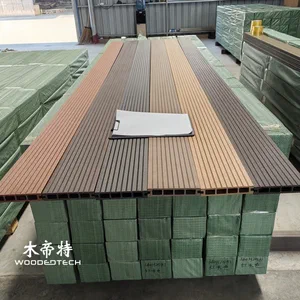 Composite Deck Price vs Wood: An In-Depth Cost Analysis for 2023
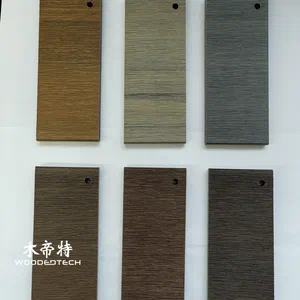 Composite Decking Price Compared to Wood: A Comprehensive Analysis for 2023
 Understanding Composite Decking Cost per m2: A Comprehensive Guide for 2023
 Pros and Cons Of Composite Decking Help Customers Understand Performance and Applications Before Choosing
Related Products
 GD13820 M Shape Co Extruded Composite Deck Planks Feature a Special Profile Design for Distinctive Outdoor Decking Applications
 GD13823-3 Composite Boards for Decking Are Available in Multiple Stock Colors with 3 Meter Lengths and Single Piece Delivery
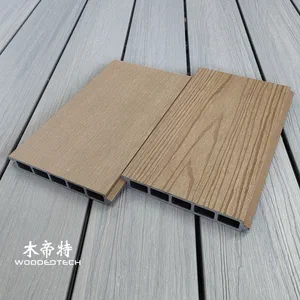 3DGL18024 WPC Longboard Fence Features Premium Co Extruded 3D Embossed Teak Wood Grain Texture with Realistic Natural Wood Fibers