
Color Palette Guide: veranda composite decking colors and Finishes
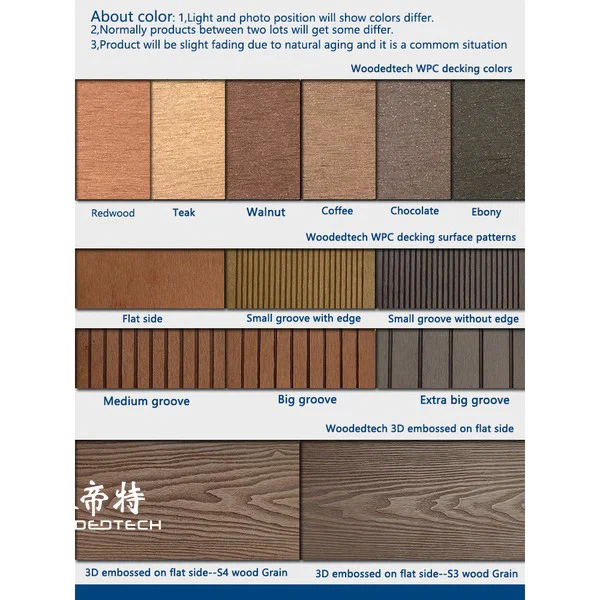
Veranda composite decking colors and finishes help B2B buyers specify outdoor surfaces that balance appearance, durability, and maintenance. The right palette can support different project styles, from modern hospitality decks to retail terraces and residential developments. Choosing well also improves stock planning, since popular tones often sell faster across multiple markets.
Color Strategy for Commercial Projects
For most trade buyers, the best starting point is the project environment. Light shades create a clean, open look and work well for resort decks, poolside areas, and sites that need a bright finish. Darker colors feel more premium and architectural, making them a strong fit for luxury outdoor spaces, façades, and high-end commercial builds.
Neutral tones remain the safest choice for wholesale purchasing because they fit a wide range of clients. Grey, charcoal, teak, and coffee are common options for veranda composite decking colors because they are easy to coordinate with metal railings, wall cladding, and exterior furniture. They also reduce the risk of overstocking niche colors that move slowly.

Finish Options That Influence Performance
Finish is more than visual detail. It affects slip resistance, surface texture, and how well the deck hides dirt or minor wear. Embossed and wood-grain finishes are often preferred for outdoor projects because they deliver a natural look without the upkeep of timber. Smooth finishes can suit cleaner, more minimal designs, but they usually require more attention in busy public spaces.
For buyers comparing product lines, a capped surface often offers better color stability and stain resistance than uncapped alternatives. That matters in export markets and high-traffic installations, where the deck must hold its appearance under strong sunlight, frequent cleaning, and changing weather conditions. A consistent finish also helps installers achieve a more uniform result across large orders.
How Buyers Should Evaluate Samples
Color should always be checked under real lighting. A tone that looks balanced in a showroom may appear warmer or cooler once installed outdoors. Ask for full-size samples whenever possible, and review them beside the project’s cladding, furniture, and railing components. This reduces mismatch risk and supports a more polished final specification.
It is also smart to confirm batch consistency, surface texture, and long-term fade resistance before placing a large order. For distributors and project contractors, those details can matter as much as the color itself. Clear technical data helps avoid disputes and makes it easier to match repeat orders later.
FAQ
Q: What are the most popular veranda composite decking colors? A: Grey, teak, coffee, and charcoal are common choices because they suit both modern and traditional outdoor designs. They are also easier to match with other exterior materials.
Q: Which finish is best for commercial decking? A: An embossed or wood-grain capped finish is usually the best option for commercial projects. It offers a stronger balance of appearance, durability, and low maintenance.
Q: Why do buyers request samples before ordering? A: Samples help verify true color, texture, and surface quality under actual site conditions. They also reduce the chance of mismatched materials across a project.
Related Articles
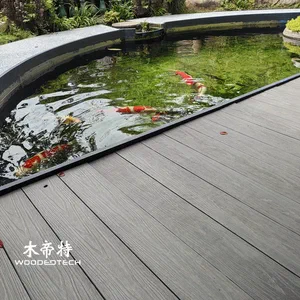
Related Products
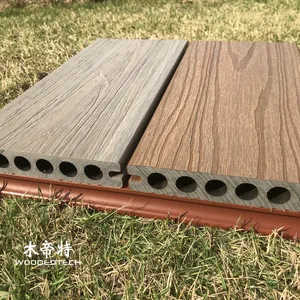
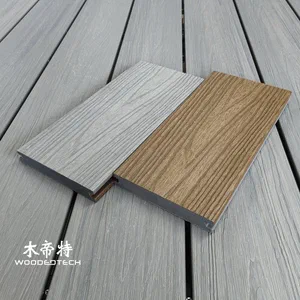 Second Generation Two Color Co Extruded 3D Embossed 3DGD14023S Composite Wood Deck Boards Feature an Extremely Realistic Antique Wood and Teak Grain Texture
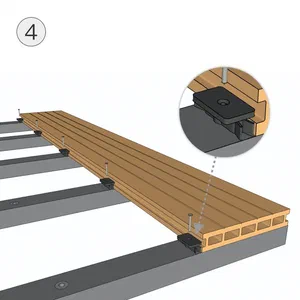
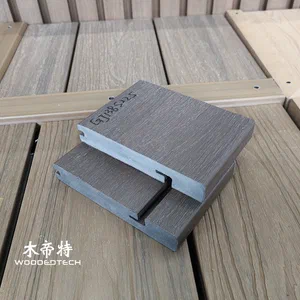 GD13822.5S Fully Capped Solid Starter Wood Polymer Composite Decking Provides a Stable Starting Structure for the First Decking Board
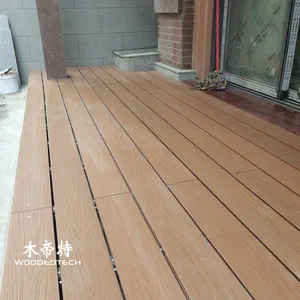
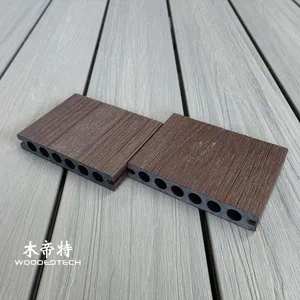 GD13823-3 Redwood Color Round Hole Co Extrusion Decking Composite Decking Brings Classic Chinese Red Style to Outdoor Flooring Projects