
coffee composite decking creates warm natural looking outdoor spaces with modern wood plastic materials

Coffee composite decking is a warm, contemporary choice for outdoor spaces that need the natural look of timber without the constant upkeep. In modern WPC design, coffee tones bring depth and softness to decks, wall panels, fences, pergolas, gazebos, and landscape features while keeping the whole project clean and coordinated.
Design direction for modern outdoor spaces
Coffee composite decking works well because it sits between classic wood character and a more refined architectural finish. Designers often pair it with lighter greys, charcoal frames, or muted stone colors to create contrast and prevent the outdoor area from feeling too heavy. This balance helps terraces, patios, and garden zones feel calm, upscale, and visually connected.
Texture matters just as much as color. Subtle wood grain, brushed surfaces, and embossed finishes give composite boards a more authentic appearance, especially in sunlight. For wall panels and privacy screens, linear grooves or fluted profiles add shadow and rhythm, turning a plain surface into a feature wall. The result is a space that feels layered, not flat.
Why profiles and modular systems matter
Modern outdoor projects depend on flexible profiles. Narrow decking boards can make a small courtyard look longer, while wider planks create a cleaner, more open feel for resort decks or commercial terraces. Vertical cladding panels, slatted screens, and matching railing systems help designers keep a consistent visual language across the entire site.
Modular designs are equally important. Interlocking decking tiles, prefabricated pergola parts, and standardized fence panels reduce installation time and make future replacement easier. This approach is especially useful for landscape products such as planter boxes, benches, and decorative grilles, where a repeated module creates order and makes the space feel professionally finished.
Creating unified outdoor environments
A strong outdoor concept usually combines several WPC products rather than relying on one material alone. Coffee composite decking can anchor the ground plane, while matching wall cladding adds warmth to facades or courtyard walls. Fences and pergolas in the same tone extend the design outward, and gazebos or shade structures provide a focal point without breaking the color story.
For landscape areas, the best designs use repetition with variation. A coffee deck paired with matching planters, seating, and privacy screens feels intentional, while small changes in profile or texture keep the composition from looking repetitive. This is where modern wood plastic materials perform well: they allow the same finish to be carried across multiple product categories with consistent quality.
Practical value for commercial and residential projects

Coffee composite decking also supports practical outdoor design goals. It is suitable for areas that need weather resistance, stable color, and a premium appearance with less maintenance than natural timber. For buyers, that means cleaner project handover, easier long-term care, and a more predictable result across large installations.
FAQ
Q: Why is coffee composite decking popular in modern outdoor design? A: It gives outdoor spaces a warm wood tone with a contemporary look. The color works well with stone, metal, and neutral finishes.
Q: Can one color be used across decking, fencing, and pergolas? A: Yes. Using the same coffee tone across multiple WPC products creates a unified, high-end outdoor design. Small changes in texture or profile keep it visually interesting.
Q: Are modular WPC products useful for landscaping projects? A: Yes. Modular panels, tiles, and structural parts make installation faster and help keep the design consistent across different outdoor zones.
Related Articles
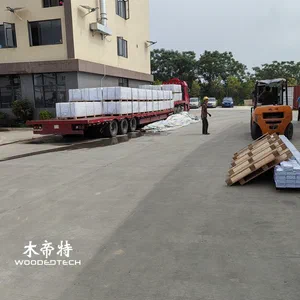 coffee composite decking creates warm outdoor spaces with elegant wood inspired colors
 3d embossed decking creates realistic wood texture surfaces for premium outdoor flooring designs
 decking composite colours provide multiple design choices for different outdoor landscape styles
 wpc wall panels provide modern exterior decoration solutions with low maintenance advantages
Related Products
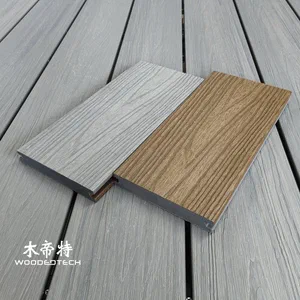 Second Generation Two Color Co Extruded 3D Embossed 3DGD14023S Composite Wood Deck Boards Feature an Extremely Realistic Antique Wood and Teak Grain Texture
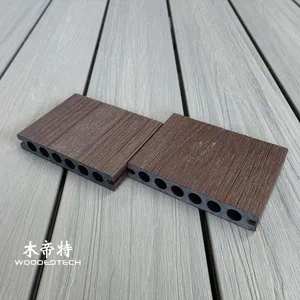 GD13823-3 Redwood Color Round Hole Co Extrusion Decking Composite Decking Brings Classic Chinese Red Style to Outdoor Flooring Projects
 3D15023 150mm Width 23mm Thickness Round Hole 3D Embossed Chocolate Color Outdure Composite Decking Creates Elegant Outdoor Spaces