
Co Extrusion Composite Decking Solutions: 2026 B2B Market Guide
Co extrusion composite decking is becoming a preferred choice for global distributors, contractors, and outdoor building material brands seeking higher-performance alternatives to traditional decking. This 2026 B2B market guide explains how co-extrusion technology improves WPC decking quality, durability, and product value for commercial applications.
Market Growth and Demand for Co-Extrusion Decking
The demand for advanced composite decking continues to grow as buyers look for outdoor materials that combine natural wood appearance with long-term performance. Co-extrusion decking uses a protective polymer layer bonded around the WPC core during manufacturing, creating a stronger surface barrier against moisture, stains, UV exposure, and daily wear.
For importers and project developers, this technology provides a reliable solution for residential terraces, hotels, public spaces, pool areas, and landscape projects. Compared with traditional composite decking, co-extrusion WPC decking offers improved color retention, easier maintenance, and better resistance to changing weather conditions.
Key Advantages of Co-Extrusion Composite Decking
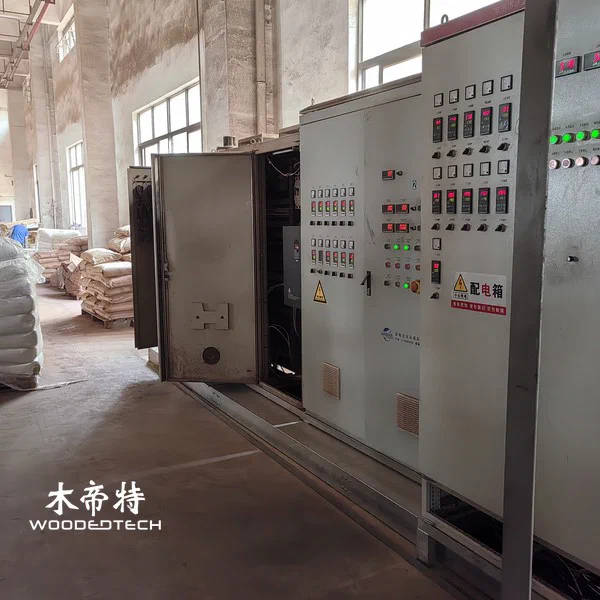
Manufacturers are investing in co-extrusion production lines because buyers increasingly require consistent quality and customized solutions. Main advantages include:
- Enhanced waterproof protection through a sealed outer layer
- Better resistance to fading, scratches, and stains
- More realistic wood grain textures and surface finishes
- Lower maintenance costs compared with natural timber
- Longer service life for commercial outdoor projects
- Flexible options for colors, profiles, and surface treatments
For wholesale buyers, choosing a professional WPC factory is important to ensure stable supply, strict quality control, and compliance with international market requirements. Experienced manufacturers can provide OEM services, custom extrusion profiles, packaging solutions, and technical support for different regions.
Manufacturing Considerations for Global Buyers
When sourcing co-extrusion decking, buyers should evaluate raw material quality, production technology, testing standards, and manufacturing capacity. A reliable supplier should use high-quality wood plastic composite materials and advanced extrusion equipment to maintain accurate dimensions, strong bonding between layers, and consistent surface finishes.
Product development trends in 2026 are focused on sustainability, realistic wood effects, and multifunctional outdoor applications. Many projects now require decking systems that match modern architectural styles while reducing maintenance demands. Recycled materials, slip-resistant surfaces, and improved installation systems are becoming important purchasing factors for international customers.

Co-extrusion composite decking also creates opportunities for distributors to expand their outdoor product range. With growing interest in sustainable composite building materials, suppliers that offer customized colors, textures, and private label manufacturing can better serve regional markets and large-scale construction projects.
FAQ
Q: What is co-extrusion composite decking? A: Co-extrusion composite decking is WPC decking with a protective polymer coating formed around the core during production. This layer improves durability, weather resistance, and surface performance.
Q: Why do buyers choose co-extrusion decking over traditional WPC decking? A: Buyers choose it for better protection against moisture, fading, stains, and scratches, making it suitable for demanding outdoor environments.
Q: Can manufacturers provide customized co-extrusion decking solutions? A: Yes, many WPC manufacturers offer OEM customization, including colors, textures, dimensions, packaging, and private label services.
Related Articles
Related Products
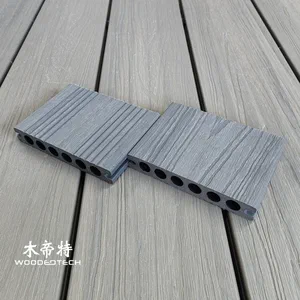 GD13823-3 Light Grey Premium Co Extrusion WPC Composite Decking Offers LG Texture and Excellent UV Resistance for Outdoor Spaces
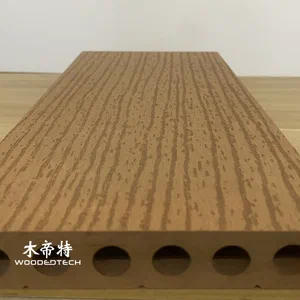
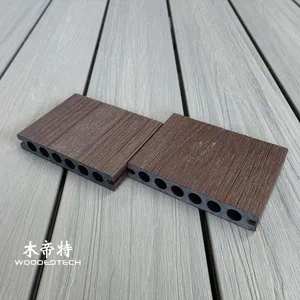 GD13823-3 Redwood Color Round Hole Co Extrusion Decking Composite Decking Brings Classic Chinese Red Style to Outdoor Flooring Projects
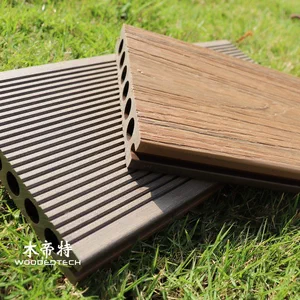 GD14023 Second Generation Semi Capped Co Extrusion Wood Plastic Composites WPC Decking Features a Classic Round Hole Design for Outdoor Flooring