
Classy plastic lumber offers elegant and durable solutions for modern outdoor projects
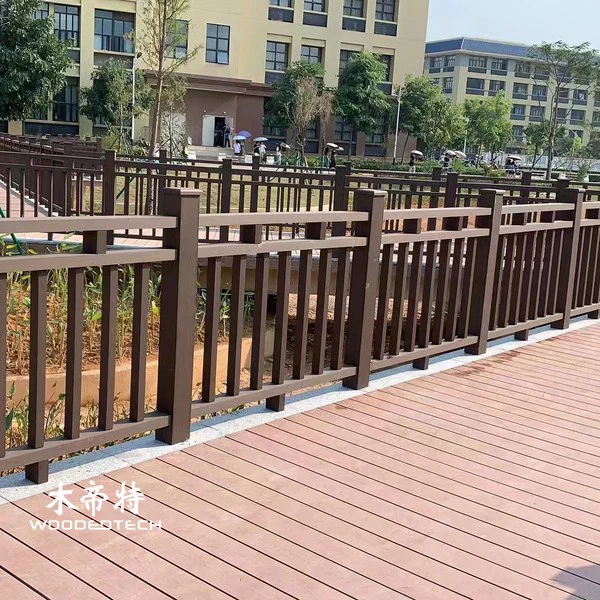
Classy plastic lumber is redefining modern outdoor design with cleaner lines, richer textures, and longer-lasting performance. For decking, wall panels, fences, pergolas, gazebos, and landscape features, it delivers an elegant look with far less upkeep than natural wood.
Modern color and texture trends

Today’s outdoor projects lean toward quiet, refined tones that work across residential and commercial spaces. Warm teak, light oak, charcoal, and soft gray remain popular because they feel contemporary without overpowering the architecture. These colors pair well with matte finishes and subtle wood grain surfaces, creating a more natural effect than glossy plastic products.
Texture matters just as much as color. Deep embossed surfaces, brushed grains, and fluted profiles add visual depth and improve grip, especially on decking and steps. On wall cladding and screens, linear textures bring shadow play that makes a plain facade feel layered and intentional.
Profiles that shape the whole space
The profile of each product changes how the entire outdoor area reads. Wide decking boards create a calm, spacious look, while narrower boards can make smaller patios feel more detailed and crafted. For fences and privacy screens, horizontal slats give a modern architectural feel, while vertical profiles add height and a cleaner boundary line.
Pergolas and gazebos benefit from matching beams, louvers, and decorative screens that carry the same design language from one feature to the next. When decking, cladding, and fencing share similar tones and profiles, the space feels unified rather than assembled from separate parts. That consistency is one reason plastic lumber is so effective in premium outdoor projects.
Modular design for faster, smarter installation
Modular WPC products are changing how outdoor spaces are built. Interlocking deck tiles, panel systems, and pre-sized components reduce installation time and make replacement simpler. This is especially valuable for landscape projects, terrace upgrades, pool surrounds, and commercial sites that need efficient construction with minimal disruption.
Modularity also improves design flexibility. Builders can combine decking with planters, seating, steps, and privacy panels to create complete outdoor zones. A modular approach makes it easier to scale a concept from a small balcony to a large garden or hospitality project without losing the design intent.
Durable solutions for long-term outdoor use
Modern plastic lumber is expected to do more than look good. It must resist moisture, UV exposure, fading, and daily wear while keeping its shape and finish. That is why product selection often focuses on capped surfaces, stable profiles, and coordinated accessories for railing, cladding, and landscape elements.
For buyers, the appeal is clear: elegant style, strong weather resistance, and low maintenance in one material system. That makes classy plastic lumber a practical choice for outdoor spaces that need to stay attractive season after season.
FAQ
Q: Where does plastic lumber work best in modern outdoor projects? A: It works well for decking, wall panels, fences, pergolas, gazebos, and landscape accents. It is especially useful where a clean look and low maintenance are both important.
Q: Why are colors and textures so important in WPC design? A: Colors set the overall mood, while textures add depth and realism. Together, they help outdoor products look more architectural and less industrial.
Q: Are modular WPC systems suitable for commercial spaces? A: Yes. Modular systems simplify installation, speed up project delivery, and make future replacement or expansion easier.
Related Articles
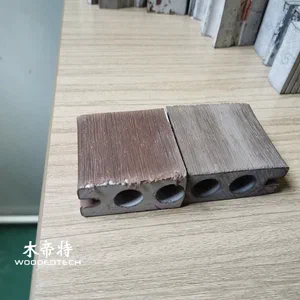 WPC terrace creates comfortable outdoor spaces with low maintenance and attractive modern designs
 Wpc panel types include various designs for exterior walls fences and landscape applications
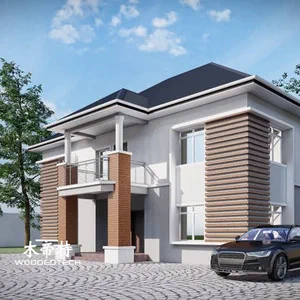 wpc decking floor offers durable and attractive solutions for gardens balconies and outdoor areas
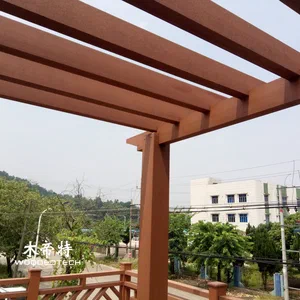 1x6 plastic lumber offers versatile solutions for outdoor construction and landscaping projects
Related Products
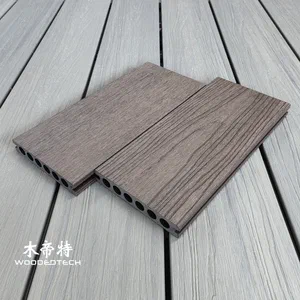 3DGD13823 Second Generation 3D Embossed Rosewood Composite Balcony Decking Delivers Ultra Realistic Wood Grain Texture and a Premium Natural Wood Experience
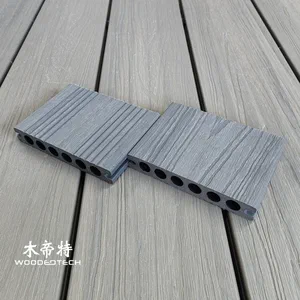 GD13823-3 Light Grey Premium Co Extrusion WPC Composite Decking Offers LG Texture and Excellent UV Resistance for Outdoor Spaces
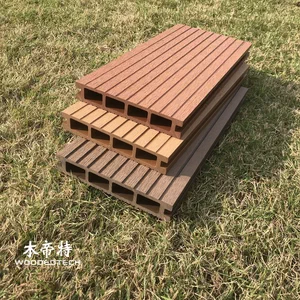 D14025-3 Square Hole Double Sided Grooved WPC Board Factory Producing Outdoor Decking Boards With Good Slip Resistance