
Choosing the Right WPC Fence Material: A Comprehensive Guide for Industry Professionals
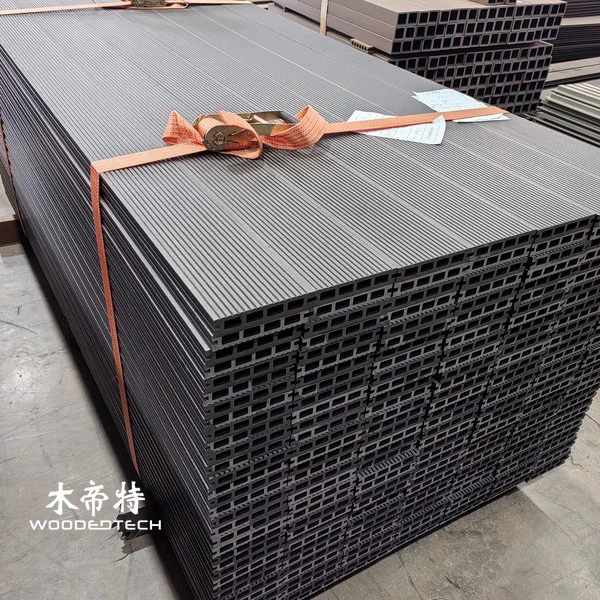
Wood plastic composite (WPC) fences are increasingly popular due to their durability, low maintenance, and aesthetic appeal. Understanding how the main components—wood powder, HDPE/PVC polymers, additives, pigments, and modifiers—affect the quality and longevity of these products is essential for industry professionals involved in production or procurement.
Key Components and Their Impact

Wood Powder
Wood powder serves as the primary filler in WPCs, providing the natural look and feel of wood. The quality and type of wood powder used can significantly influence the mechanical properties of the composite. High-quality, finely processed wood powder enhances the strength and rigidity of the final product. It also contributes to dimensional stability, reducing the risk of warping or splitting under environmental stress.
Polymers: HDPE and PVC
High-Density Polyethylene (HDPE) and Polyvinyl Chloride (PVC) are the most common polymers used in WPCs. HDPE is known for its excellent weather resistance, UV stability, and chemical resistance, making it suitable for outdoor applications. PVC, while also durable, tends to have slightly lower mechanical properties compared to HDPE. The choice of polymer affects the overall performance, flexibility, and longevity of WPC products, particularly in extreme weather conditions.
Additives
Additives play a critical role in enhancing the performance characteristics of WPCs. For instance, lubricants can improve the processing of the material during production, while stabilizers protect against thermal degradation. Fire retardants are essential for safety, especially in residential applications. Ensuring that the right additives are used in appropriate concentrations is vital for achieving compliance with international safety standards.
Pigments
Pigments are added not only for aesthetic purposes but also to enhance UV resistance. The choice of pigments can influence color fastness, ensuring that the WPC retains its appearance over time. Quality control measures should include testing for color consistency and resistance to fading under sunlight, as this affects the marketability of the final product.
Modifiers
Modifiers can be used to improve specific properties of WPCs, such as impact resistance and flexibility. Common modifiers include coupling agents and impact modifiers. These substances help create a stronger bond between the wood fibers and the polymer matrix, leading to a more durable product. The selection and proper formulation of modifiers are crucial for optimizing the performance of WPC fences.
Practical Factory Inspection Methods
To ensure the quality of WPC products, factories should implement rigorous inspection protocols:
- Material Inspection: Assess the quality of wood powder and polymers upon arrival. This includes testing for moisture content in wood powder and viscosity in polymers.
- Process Monitoring: Regularly monitor the extrusion process parameters, such as temperature and pressure, to maintain product consistency.
- Physical Testing: Conduct mechanical tests on finished products, including tensile strength, flexural strength, and impact resistance, to verify compliance with industry standards.
- Weather Resistance Tests: Perform accelerated weathering tests to evaluate UV stability, fading, and overall durability of the WPC material under simulated outdoor conditions.
Quality Standards
Compliance with international standards is crucial for WPC manufacturers. The following standards are commonly referenced:
- ASTM D7032: Standard Specification for Wood-Plastic Composite Decking Products, which outlines performance requirements for mechanical properties.
- ISO 9001: A quality management standard that ensures consistent quality in products and services.
- EN 15534: European standard for WPCs that covers various aspects of performance, including environmental impact and mechanical properties.
Adhering to these standards not only ensures product quality but also builds trust with customers and stakeholders.
Selecting the right materials and maintaining strict quality control throughout the production process are vital for the success of WPC fence manufacturing. By focusing on the interplay of wood powder, polymers, additives, pigments, and modifiers, manufacturers can produce high-quality, durable outdoor solutions that meet the demands of the market.
Related Articles
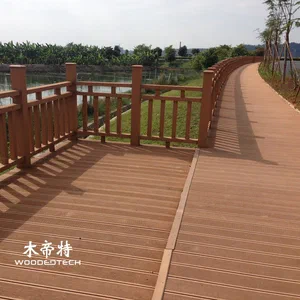 Optimizing Composite Decking Layout: Best Practices for Industrial Applications in 2023
 Plastic Wood Deck Floor Offers Low Maintenance And Natural Looking Outdoor Flooring Performance
 Best WPC Decking Provides High Quality Outdoor Flooring Solutions for Global Markets
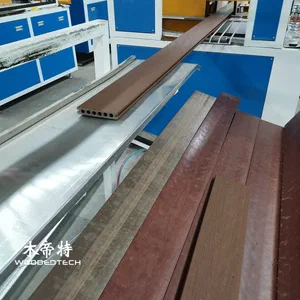 Plastic Wood Panels Exterior for Durable Outdoor Walls Cladding and Building Applications
Related Products
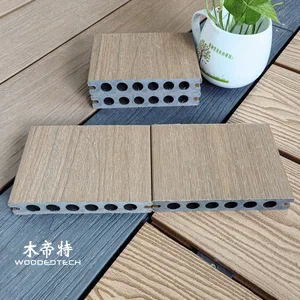 GD13823 Double Sided Flat Surface Co Extruded WPC Decking Features a Popular Width and Thickness with Round Hollow Structure
 GD13823-3 Composite Boards for Decking Are Available in Multiple Stock Colors with 3 Meter Lengths and Single Piece Delivery
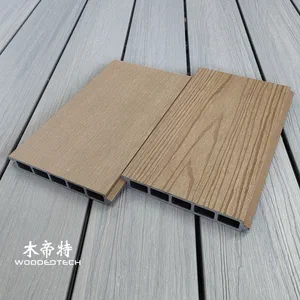 3DGL18024 WPC Longboard Fence Features Premium Co Extruded 3D Embossed Teak Wood Grain Texture with Realistic Natural Wood Fibers