
Choosing the Right Composite Deck Suppliers: Key Factors for 2023 Success
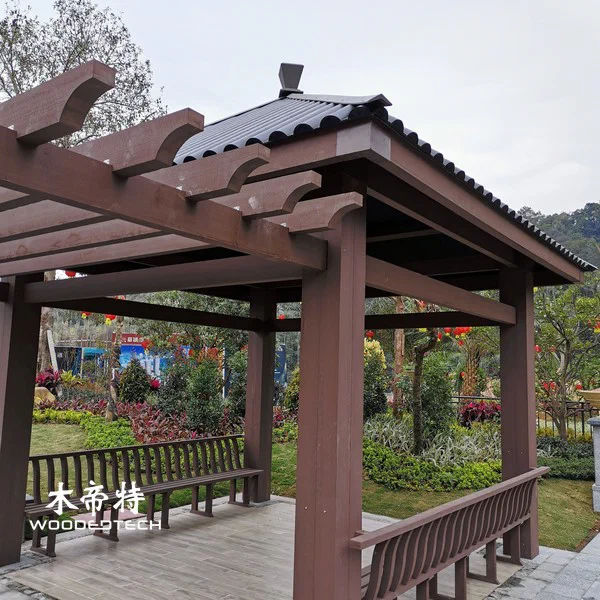
Selecting a reliable WPC (Wood Plastic Composite) supplier is crucial for overseas buyers looking to invest in high-quality products. Understanding how to evaluate potential factories, confirm specifications, and navigate common purchasing risks can ensure a successful partnership that meets your business needs.
Identifying Reliable Suppliers

The first step in selecting a WPC supplier is thorough research. Start by gathering a list of potential manufacturers and verifying their credentials. Look for companies with a strong track record, positive reviews, and relevant certifications, such as ISO or CE. Additionally, consider suppliers with experience in international trade, as they are more likely to understand the complexities involved in exporting products.
- Check online platforms, trade shows, and industry directories.
- Review customer testimonials and case studies.
- Engage with suppliers to discuss their production capabilities and quality control measures.
Evaluating Manufacturing Facilities
Once you have shortlisted potential suppliers, evaluating their manufacturing facilities is essential. If possible, arrange an on-site visit to inspect their operations. This allows you to verify their production capacity, quality control processes, and adherence to safety standards.
Key factors to assess during your visit include:
- Equipment and technology used in production.
- Cleanliness and organization of the manufacturing environment.
- Workforce qualifications and training programs.
If an on-site visit is not feasible, request detailed factory audits or third-party inspection reports to gain insights into their operations.
Confirming Specifications and Quality
Clear communication is vital in confirming product specifications. Ensure that you have a detailed understanding of the WPC products you need, including dimensions, colors, and performance characteristics. Request samples to evaluate the material quality and verify that it meets your standards.
When confirming specifications, be specific about:
- Material composition and durability.
- Surface treatment options, such as anti-slip features.
- Environmental certifications, like eco-friendliness and recyclability.
Ask for product data sheets and compliance certificates to ensure that the products adhere to relevant industry standards.
Mitigating Common Purchasing Risks
Overseas transactions come with inherent risks, but you can take measures to minimize them. Start by establishing clear payment terms and conditions. Consider using secure payment methods, such as letters of credit, which offer greater protection.
Be cautious of suppliers offering significantly lower prices than the market average. This could be a red flag indicating potential quality issues or hidden costs. Always conduct a thorough cost analysis to ensure you are making a sound investment.
Additionally, maintain a good line of communication with your supplier throughout the order process. This includes regular updates on production and shipping timelines. Establishing a strong relationship can help address any issues promptly before they escalate.
Final Thoughts
Choosing the right WPC supplier requires diligence and strategic planning. By conducting thorough research, evaluating manufacturing capabilities, confirming product specifications, and minimizing purchasing risks, overseas buyers can establish fruitful partnerships. This approach not only enhances the procurement process but also contributes to long-term business success in the competitive composite decking market.
Related Articles
 Understanding Composite Wood Decking Price: A Comprehensive Guide for B2B Buyers in 2023
 WPC Fence Nearby for Finding Local Outdoor Fence Suppliers and Installation Solutions
 Choosing Composite Decking for Pool Decks: Benefits and Best Practices for 2023
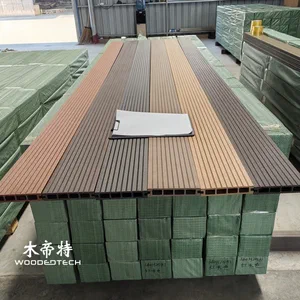 Composite Deck Price vs Wood: An In-Depth Cost Analysis for 2023
Related Products
 GD13820 M Shape Co Extruded Composite Deck Planks Feature a Special Profile Design for Distinctive Outdoor Decking Applications
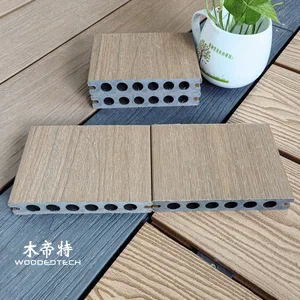 GD13823 Double Sided Flat Surface Co Extruded WPC Decking Features a Popular Width and Thickness with Round Hollow Structure
 GD13823-3 Composite Boards for Decking Are Available in Multiple Stock Colors with 3 Meter Lengths and Single Piece Delivery