
Choosing the Right Composite Deck Planks: A Comprehensive Guide for 2023
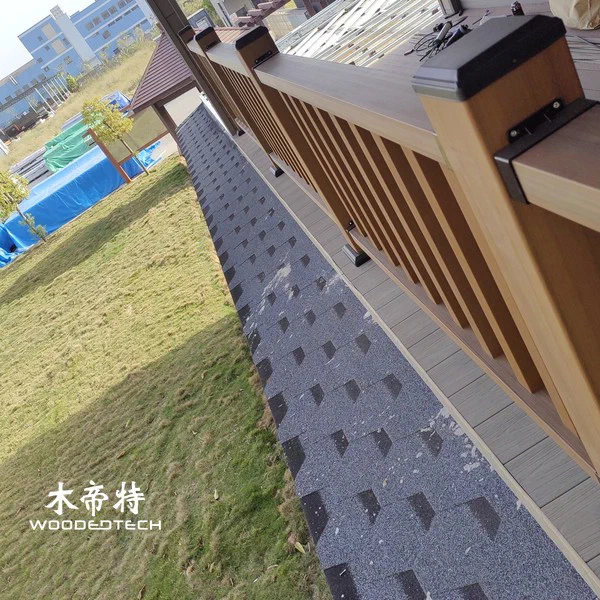
Designing high-performance outdoor wood plastic composites (WPC) for applications like decking, wall cladding, fencing, pergolas, and landscape products involves a careful balance of materials and engineering. The objective is to create durable, cost-effective products that meet consumer demands for aesthetics, longevity, and maintenance ease.
Key Components of WPC Formulation
The formulation of WPC generally involves a blend of wood fibers and plastic materials, along with various additives. The proportions of these components are critical in achieving the desired performance characteristics.

Wood Fiber Content: Typically, a higher wood fiber content enhances the aesthetic appeal and provides a natural look. However, exceeding optimal levels can lead to issues like reduced mechanical strength and moisture susceptibility. A common range is between 50% to 70% wood fiber, depending on the specific application and desired properties.
Plastic Ratio: The type and amount of plastic used, such as polyethylene or polypropylene, significantly influence durability, resistance to moisture, and overall lifespan. Balancing the plastic content is crucial; too much plastic can lead to a synthetic feel, while too little can compromise structural integrity.
Additives: Incorporating additives such as UV stabilizers, anti-fungal agents, and colorants can greatly enhance the performance and appearance of WPC products. These additives help improve weather resistance, reduce fading from sunlight, and minimize degradation from microbial growth.
Cost Control Strategies
While performance is paramount, cost control is equally important in WPC production. Several strategies can be employed:
Material Sourcing: Choosing locally sourced or recycled materials can reduce transportation costs and align with sustainability goals. This not only lowers expenses but also appeals to environmentally conscious consumers.
Process Optimization: Streamlining production processes and using efficient manufacturing techniques can minimize waste and reduce labor costs. For instance, co-extrusion methods can produce capped composite decking that offers enhanced durability without significantly increasing production costs.
Bulk Purchasing: Purchasing raw materials in bulk allows for cost savings that can be passed on to consumers, making products more competitive in the marketplace.
Product Lifespan Considerations
The longevity of WPC products is a key selling point for consumers. Several factors contribute to product lifespan, including:
Moisture Resistance: Ensuring that the composite has low water absorption rates helps prevent warping and decay, which are common failures in traditional wood products. This is particularly crucial for outdoor applications exposed to the elements.
Weather Resistance: Products designed for outdoor use must withstand UV radiation, rain, and temperature fluctuations. Utilizing fully capped WPC formulations can protect the core material from environmental degradation, prolonging the product’s life.
Maintenance Requirements: Low-maintenance products are increasingly preferred by consumers. Formulations that resist staining and do not require regular sealing or painting can significantly enhance customer satisfaction and product appeal.
Application-Specific Design
Different applications necessitate unique formulations. For example, decking products may prioritize slip resistance and structural integrity, while wall cladding may focus more on aesthetic appeal and light weight. Understanding the end-use environment is essential for tailoring the composite properties accordingly.
Related Articles
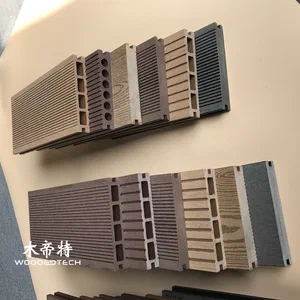 Wood Plastic Composite Panels for Outdoor Walls Cladding Fences Decking and Architectural Applications
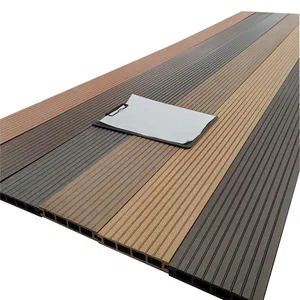 Essential Guide to Sourcing Composite Supplies for Industrial Applications in 2024
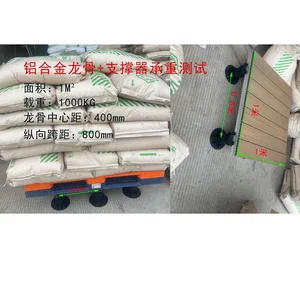 Understanding Plastic Wood Called: Innovations and Applications in 2023
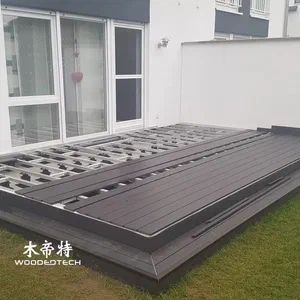 Composite Material Applications for Outdoor Decking Cladding Fencing Furniture and Garden Structures
Related Products
 GD13820 M Shape Co Extruded Composite Deck Planks Feature a Special Profile Design for Distinctive Outdoor Decking Applications
 GD13823-3 Composite Boards for Decking Are Available in Multiple Stock Colors with 3 Meter Lengths and Single Piece Delivery
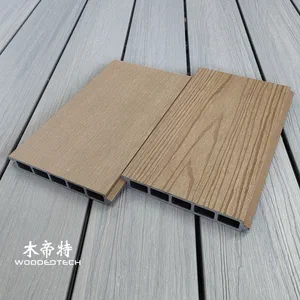 3DGL18024 WPC Longboard Fence Features Premium Co Extruded 3D Embossed Teak Wood Grain Texture with Realistic Natural Wood Fibers