
Choosing the Right Composite Deck Boards for Steps: A Comprehensive Guide for 2023
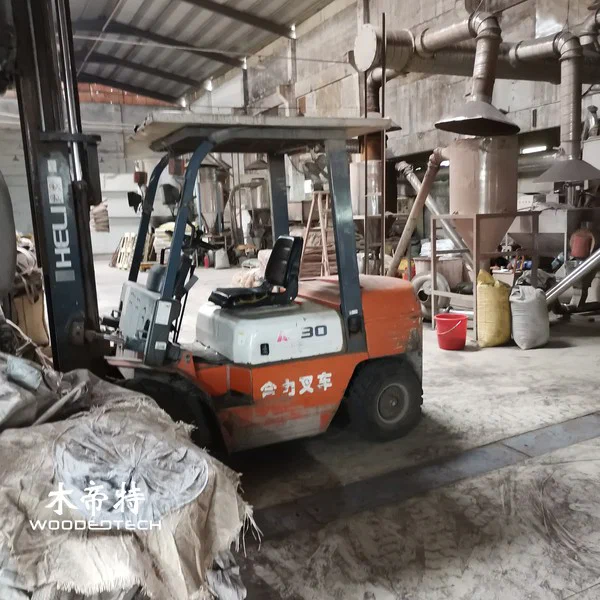
High-performance outdoor wood plastic composite (WPC) formulations are essential for creating durable products like decking, wall cladding, fencing, and pergolas. These composites combine the natural aesthetics of wood with the resilience of plastics, making them suitable for various outdoor applications. The key to developing effective WPC formulas lies in balancing wood fiber content, plastic ratios, additives, cost control, and product lifespan.
Balancing Wood Fiber and Plastic Content
The ratio of wood fibers to plastic in WPC formulations significantly impacts performance. Typically, a higher wood fiber content can enhance the composite’s natural appearance and provide a better texture. However, exceeding a certain threshold can lead to issues such as reduced strength and increased susceptibility to moisture.
- Optimal wood fiber content usually ranges from 40% to 70%.
- A lower plastic content can improve biodegradability and sustainability.
Conversely, an increased plastic ratio can improve resistance to moisture and decay, enhancing the product’s lifespan and durability. It is essential to find a balance that meets aesthetic desires while ensuring functional performance.
Additives for Enhanced Performance
Additives play a crucial role in the formulation of high-performance WPC products. They can improve the material’s properties and address specific performance challenges:
- UV Stabilizers: Protect against sun damage, preventing fading and degradation of the material over time.
- Anti-Oxidants: Help maintain the integrity of both wood and plastic components, extending lifespan.
- Colorants: Allow for a range of aesthetic options, enabling customization to match various design preferences.
- Foaming Agents: Create a lighter product while maintaining structural integrity, ideal for applications like decking.
Selecting the right additives can significantly influence the performance characteristics and longevity of the finished product.
Cost Control Strategies
Cost management is vital for maintaining profitability in WPC production. The selection of raw materials, additives, and production processes can all impact overall costs.

- Material Sourcing: Finding reliable suppliers for high-quality wood and plastics at competitive prices can help control costs.
- Production Efficiency: Optimizing manufacturing processes, such as using co-extrusion techniques, can reduce waste and enhance product quality.
- Scale of Production: Larger production runs can lead to reduced costs per unit, making it economically viable to invest in higher-quality materials and additives.
Balancing quality and cost is essential for producing commercially viable WPC products.
Product Lifespan Considerations
The lifespan of WPC products is influenced by various factors, including environmental exposure, material quality, and maintenance requirements. To ensure longevity, manufacturers should:
- Use high-quality wood fibers that are properly treated to resist moisture and insect damage.
- Incorporate advanced plastics that offer UV resistance and durability.
- Educate consumers on proper maintenance practices, such as cleaning and periodic inspections, to extend the life of their products.
By anticipating the conditions the products will face and designing accordingly, manufacturers can create offerings that stand the test of time.
Conclusion
Designing high-performance outdoor WPC formulations involves a careful blend of materials, additives, and cost management strategies. By maintaining a balance between wood fiber content and plastic ratios, utilizing effective additives, and controlling costs, manufacturers can produce durable and aesthetically pleasing products. These considerations not only enhance product performance but also ensure they meet the demands of the outdoor environment, maximizing lifespan and customer satisfaction.
Related Articles
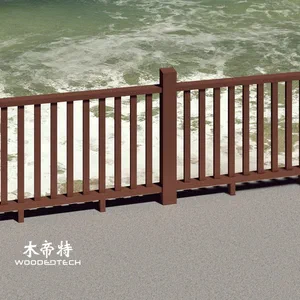 Composite Teak for Durable Outdoor Decking Furniture Cladding and Landscape Applications
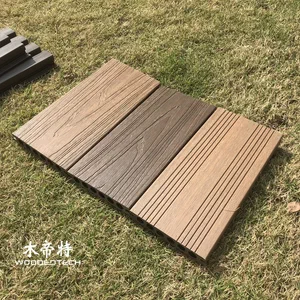 Innovative Applications of WPC Building Materials in Modern Construction: 2023 Insights
 Optimal Composite Decking Joists Spacing: Guidelines for 2023 Industrial Applications
 Maximizing ROI with Lifetime Composite Decks: The Future of Durable Outdoor Solutions
Related Products
 GD13820 M Shape Co Extruded Composite Deck Planks Feature a Special Profile Design for Distinctive Outdoor Decking Applications
 GD13823 Double Sided Flat Surface Co Extruded WPC Decking Features a Popular Width and Thickness with Round Hollow Structure
 GD13823-3 Composite Boards for Decking Are Available in Multiple Stock Colors with 3 Meter Lengths and Single Piece Delivery