
Choosing the Right Composite Cladding Screws: A Guide for Industrial Applications in 2023
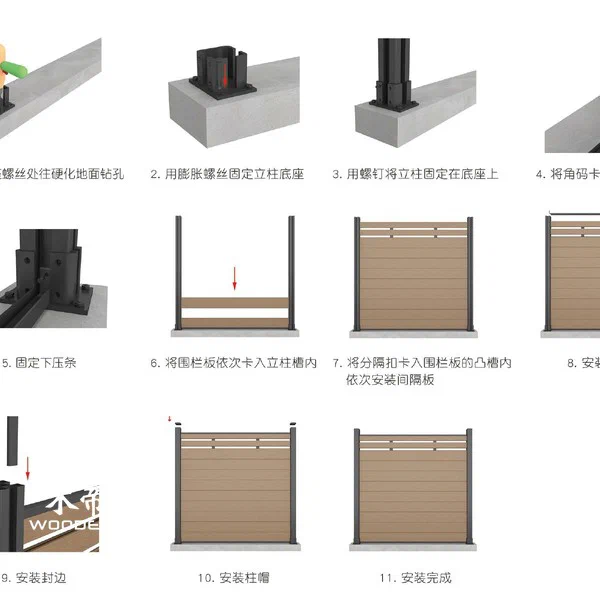
The quality of wood plastic composite (WPC) products is heavily influenced by the raw materials used in their production, including wood powder, HDPE or PVC polymers, additives, pigments, and modifiers. Understanding how these components contribute to the durability, weather resistance, and overall performance of outdoor WPC products is key for manufacturers seeking to meet high-quality standards.
Raw Material Composition
Wood powder serves as the primary filler in WPC formulations, providing a natural aesthetic and texture. The choice of wood species affects not only the visual appeal but also the mechanical properties and durability of the final product. A finer wood powder can lead to a smoother finish, while coarser particles might enhance texture but can introduce weaknesses.
HDPE (high-density polyethylene) and PVC (polyvinyl chloride) are the primary polymers used in WPC. HDPE offers excellent impact resistance and is less prone to degradation from UV exposure, making it suitable for outdoor applications. PVC, on the other hand, can provide better chemical resistance and can be formulated to enhance rigidity. The ratio of wood powder to polymer also plays a critical role in strength and flexibility.
Additives such as coupling agents and lubricants are essential for improving the bonding between wood fibers and polymers. Coupling agents enhance the mechanical properties by allowing better integration of the wood and plastic, while lubricants facilitate the processing of the composite during extrusion.
Pigments not only contribute to the aesthetic aspect but also provide UV resistance, which is crucial for maintaining color and preventing degradation over time. The choice of pigments can also influence the thermal stability of the WPC, affecting its performance in fluctuating temperatures.
Quality Control Practices
To ensure the integrity of the WPC products, rigorous quality control measures must be established in the manufacturing process. Regular testing of raw materials is essential. This can include:
- Moisture content analysis: Ensuring wood powder has the right moisture level to prevent mold growth and ensure proper bonding.
- Mechanical property testing: Evaluating tensile strength, flexural strength, and impact resistance of the composite.
- UV resistance testing: Subjecting samples to accelerated weathering tests to assess color retention and material degradation over time.
- Chemical resistance testing: Exposing samples to various chemicals to determine long-term durability in outdoor settings.
Factory inspections should also include checks for consistency in material quality, ensuring that batches of wood powder and polymers meet predetermined standards. This may involve testing samples from different production runs to confirm uniformity in composition and performance.
Industry Standards and Certifications

Adherence to industry standards is paramount for ensuring the reliability of WPC products. Key standards include ASTM D7032 for evaluating the performance of wood-plastic composites in outdoor applications. Compliance with these standards not only helps in maintaining product quality but also builds trust with customers.
Additionally, certifications such as ISO 9001 for quality management systems can further enhance a manufacturer’s reputation. These certifications often require rigorous internal audits and continuous improvement processes, ensuring that quality is consistently maintained.
By selecting the right combination of raw materials and implementing comprehensive quality control measures, WPC manufacturers can produce durable, weather-resistant, and high-performing products suitable for various outdoor applications. The ongoing evaluation of material properties and adherence to industry standards will ultimately lead to greater customer satisfaction and product longevity.
Related Articles
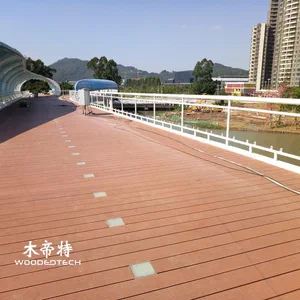 2023 Composite Decking Materials Comparison: Key Insights for Industrial Buyers
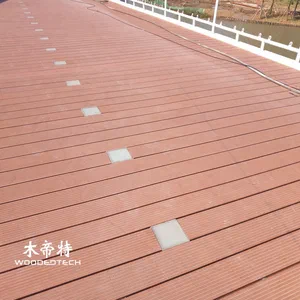 Innovative WPC Panel for Gate Solutions: Enhancing Durability in 2023
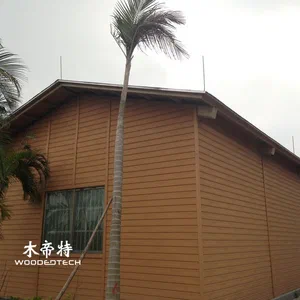 Effective Solutions for Composite Deck Hole Filler: Enhance Durability in 2023
 WPC Wooden Decking Combines Natural Wood Appearance With Modern Composite Material Advantages
Related Products
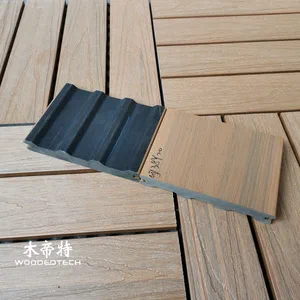 GD13820 M Shape Co Extruded Composite Deck Planks Feature a Special Profile Design for Distinctive Outdoor Decking Applications
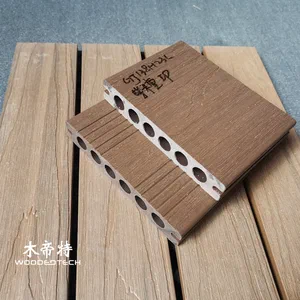 GD13823-3 Composite Boards for Decking Are Available in Multiple Stock Colors with 3 Meter Lengths and Single Piece Delivery
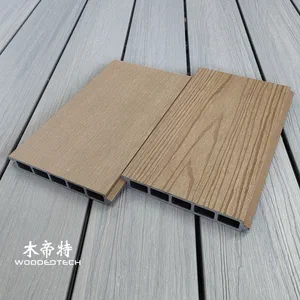 3DGL18024 WPC Longboard Fence Features Premium Co Extruded 3D Embossed Teak Wood Grain Texture with Realistic Natural Wood Fibers