
Choosing Composite Decking for Pools: A Comprehensive Guide for B2B Professionals in 2023
Choosing the right composite decking for pool areas is crucial for ensuring safety, durability, and aesthetics. This comprehensive guide outlines the key considerations and advantages of composite materials, helping B2B professionals make informed decisions in 2023.
Understanding Composite Decking
Composite decking is made from a blend of wood fibers and plastic, offering a solution that combines the best of both materials. This type of decking is particularly suitable for pool areas due to its low maintenance nature and resistance to moisture, mold, and fading. Unlike traditional wood, composite decking does not warp or splinter, making it a safer choice for wet environments.
Key Benefits of Composite Decking for Pools
When selecting decking for pools, several benefits make composite materials stand out:
- Slip Resistance: Many composite decking options come with anti-slip surfaces, which are especially important around pools to prevent accidents.
- Durability: Composite materials are engineered to withstand harsh weather conditions and resist fading, ensuring long-term performance.
- Low Maintenance: Unlike wood, composite decking does not require regular staining or sealing, allowing for easy cleaning and upkeep.
- Aesthetic Flexibility: Available in a variety of colors and finishes, composite decking can be customized to enhance the overall design of the pool area.
Choosing the Right Type of Composite Decking
In 2023, B2B buyers should consider several factors when selecting composite decking for pools:

Capped vs. Uncapped Decking: Capped composite decking features a protective layer that enhances its resistance to stains and moisture. This makes it a preferred choice for pool environments.
Material Quality: Look for high-quality composite materials that can withstand exposure to chlorine and saltwater without deteriorating.
Color and Finish Options: Select colors that complement the surrounding landscape and water features. Textured finishes can also enhance slip resistance.
Installation Considerations
Proper installation is vital for maximizing the performance and longevity of composite decking. Ensure that:
- The substructure is adequately prepared to prevent movement or sagging.
- Adequate drainage is in place to avoid pooling water on the decking surface.
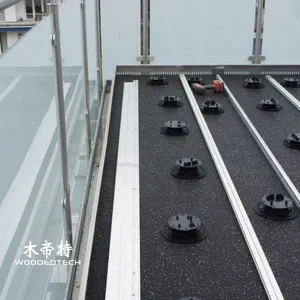
- Expansion gaps are maintained, especially in regions with temperature fluctuations.
Cost and Budgeting
While composite decking may have a higher upfront cost compared to traditional wood, its durability and low maintenance requirements often lead to lower long-term expenses. Buyers should evaluate the total cost of ownership, including installation and maintenance, when making their decision.
Conclusion
Investing in composite decking for pool areas provides numerous benefits, from safety to aesthetic appeal. By considering the key factors outlined in this guide, B2B professionals can choose the most suitable composite options that align with their project requirements and budget.
Related Articles
 Choosing Composite Decking for Pool Decks: Benefits and Best Practices for 2023
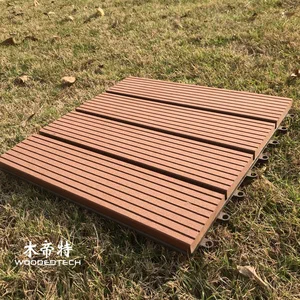 Maximizing Safety and Aesthetics: Composite Decking Around Pool in 2023
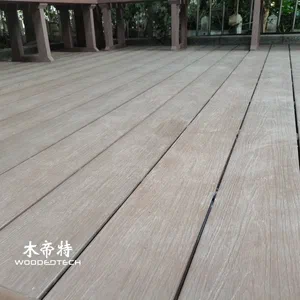 Best Practices for Composite Decking Spacing: A Comprehensive Guide for 2023
 Capped vs Uncapped Composite Decking: Key Differences for Industrial Applications in 2023
Related Products
 GD13820 M Shape Co Extruded Composite Deck Planks Feature a Special Profile Design for Distinctive Outdoor Decking Applications
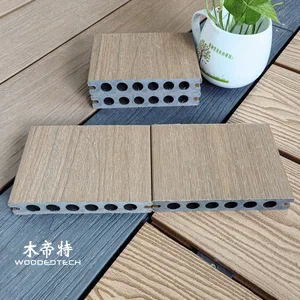 GD13823 Double Sided Flat Surface Co Extruded WPC Decking Features a Popular Width and Thickness with Round Hollow Structure
 GD13823-3 Composite Boards for Decking Are Available in Multiple Stock Colors with 3 Meter Lengths and Single Piece Delivery