
Choosing Composite Decking for Pool Decks: Benefits and Best Practices for 2023
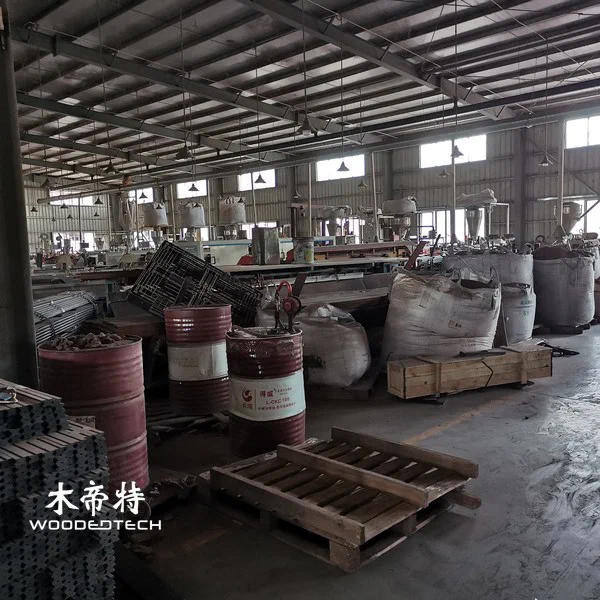
Composite decking has emerged as a popular choice for pool decks due to its durability, low maintenance requirements, and aesthetic appeal. Architects and landscape designers are increasingly incorporating wood plastic composites (WPC) into their outdoor projects, leveraging their unique properties to create functional and visually attractive spaces.
Benefits of WPC for Pool Decks
WPC products offer a range of advantages that make them ideal for poolside applications. First and foremost is their resistance to moisture and UV rays, which helps prevent warping and fading. This is particularly important for pool decks, where exposure to water and sunlight is a constant concern. Additionally, the slip-resistant surface of many WPC materials ensures safety for users, reducing the risk of accidents around the pool area.
Another benefit is the ease of maintenance. Unlike traditional wood, which requires regular staining, sealing, and treatment, WPC only needs occasional cleaning with soap and water. This translates to lower long-term maintenance costs and less time spent on upkeep, allowing homeowners and facility managers to focus on enjoying their outdoor spaces.

Design Flexibility
WPC products are available in a variety of colors, textures, and finishes, offering designers the flexibility to create custom aesthetics that match their vision. From contemporary to rustic styles, composite decking can easily complement any architectural design. Furthermore, the ability to produce WPC in custom profiles means that unique shapes and designs can be achieved without compromising on durability or performance.
When selecting materials, architects should consider the specific attributes of the WPC products available. Factors such as color retention, resistance to fading, and overall quality levels can vary significantly between brands. It’s advisable to look for fully capped composite decking, which offers enhanced protection against the elements, ensuring longevity and minimal maintenance.
Project Considerations
Several key considerations should guide the use of WPC in pool deck projects. First, understanding the local climate is crucial. In regions with high humidity or extreme temperatures, selecting a high-quality WPC that can withstand such conditions is essential. Additionally, the design should accommodate proper drainage to prevent water accumulation, which can lead to mold and mildew growth.
The installation process also demands attention. Ensure that the decking is installed with adequate spacing for expansion and contraction, allowing the material to perform optimally over time. Working with experienced contractors familiar with WPC installation techniques can help avoid common pitfalls.
Environmental Impact
Sustainability is an increasingly important factor in material selection. Many composite decking options are made from recycled materials, which can significantly reduce environmental impact compared to traditional timber. Architects and designers should seek out WPC products with certifications that ensure responsible sourcing and manufacturing practices.
Conclusion
Using WPC products for pool decks offers architects and landscape designers the perfect blend of durability, aesthetics, and environmental responsibility. By considering the unique benefits of composite materials and selecting the right products for their projects, professionals can create stunning, low-maintenance outdoor spaces that stand the test of time.
Related Articles

Related Products
 GD13820 M Shape Co Extruded Composite Deck Planks Feature a Special Profile Design for Distinctive Outdoor Decking Applications
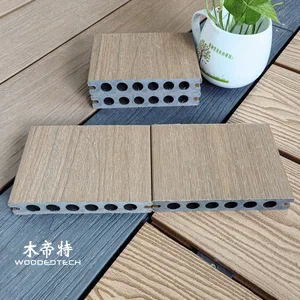 GD13823 Double Sided Flat Surface Co Extruded WPC Decking Features a Popular Width and Thickness with Round Hollow Structure
 GD13823-3 Composite Boards for Decking Are Available in Multiple Stock Colors with 3 Meter Lengths and Single Piece Delivery