
Cheapest wpc flooring provides cost effective choices for residential and commercial applications
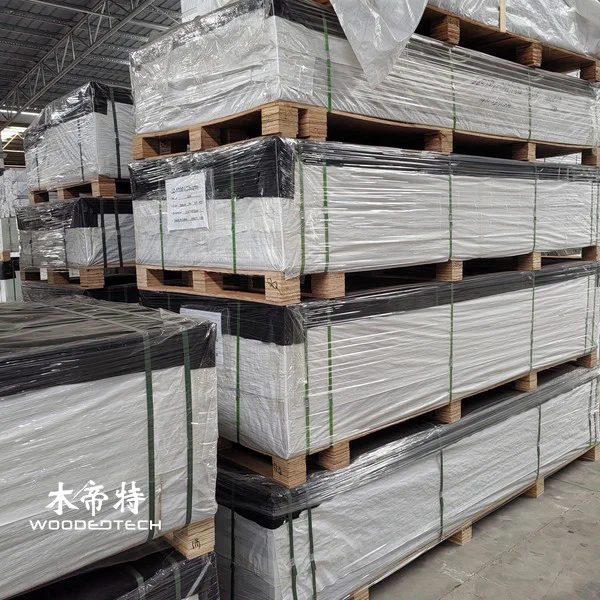
Cheapest WPC flooring offers a practical alternative for projects that need wood-like appearance, outdoor durability, and controlled budget risk. For residential patios, balconies, rooftop walks, and light commercial spaces, it often delivers a lower total cost than natural wood or aluminum once maintenance and replacement are included.
Why WPC is often the lowest-risk budget option
WPC, or wood plastic composite, sits between natural timber and fully synthetic materials. It is designed to resist moisture, fading, splintering, and insect damage better than untreated wood, which matters most in exterior use where repair cycles quickly raise ownership costs. For buyers comparing upfront price only, natural wood may look cheaper in some markets, but WPC usually wins on lifecycle value because it needs less sealing, staining, and part replacement.
Compared with traditional timber, outdoor WPC is more stable in wet or humid conditions. Timber can look excellent and feel authentic, but it expands, contracts, and weathers unevenly unless maintained carefully. That means more labor, more coatings, and more frequent board turnover in commercial settings. WPC is not maintenance-free, but its cleaning routine is usually limited to soap, water, and occasional inspection of fasteners and substructure.
WPC versus aluminum and other exterior materials
Aluminum is strong, lightweight, and highly durable, but it is rarely the cheapest choice for flooring. It can transfer heat, feel less comfortable underfoot, and often requires a higher material and fabrication budget. For flooring applications, WPC generally offers a better balance of appearance, comfort, and installed cost.
Against concrete pavers, porcelain tiles, or stone, WPC is faster to install and easier to retrofit over existing decks or terraces. Those hard surfaces may last longer in some environments, but they often bring higher substrate preparation costs, more labor, and less forgiving drainage requirements. For projects where speed, weight, and visual warmth matter, WPC is a strong value option.
Maintenance and lifecycle cost
The real cost difference appears over 5 to 15 years. Typical WPC maintenance includes:
- regular sweeping or rinsing
- periodic stain removal
- checking clips, joists, and edge trims
- avoiding aggressive solvents and abrasive tools
Natural wood usually needs sanding, oiling, sealing, or repainting. Aluminum needs little surface care, but it may still involve higher purchase and installation costs. In lifecycle terms, the cheapest WPC flooring is often the one that avoids hidden labor and downtime, especially in commercial spaces such as cafes, rental properties, display terraces, and shared walkways.

Best use cases for residential and commercial projects
For homeowners, WPC is attractive on balconies, backyard paths, pool surrounds, and pergola decks where appearance and easy upkeep matter. For commercial buyers, it is useful where a consistent look, quicker replacement planning, and predictable maintenance are more important than premium natural texture. If the project is fully exposed and heavily used, choosing a higher-density board, proper joist spacing, and UV-stable finish helps protect the budget over time.
FAQ
Q: Is cheap WPC flooring suitable for outdoor use? A: Yes, if it is made for exterior conditions and installed with proper drainage and ventilation. Cheap does not have to mean short-lived when the board structure and subframe are correct.
Q: How does WPC compare with wood on long-term cost? A: WPC usually costs more upfront than basic softwood but less over time because it avoids repeated sealing, repainting, and frequent board replacement. That makes it a stronger lifecycle choice for many projects.
Q: What is the main drawback of WPC flooring? A: It can be less authentic in feel than natural timber and may show heat buildup in direct sun. Product quality varies, so board density and surface treatment should be checked before buying.
Related Articles
 WPC Flooring Cost Depends on Material Quality Design and Project Requirements
 Swimming pool wood plastic flooring provides a safe and stylish surface for outdoor areas
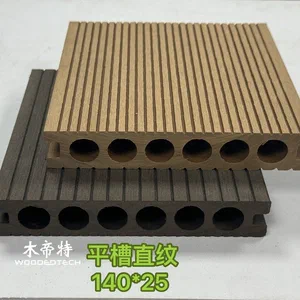 Wpc flooring pros and cons help buyers understand the benefits of composite outdoor materials
 Wood plastic flooring provides a natural wood look with durable performance for outdoor environments
Related Products
 B30014 Plastic Wood 4x8 Sheets Provide Wide Thin Boards for Large Outdoor Display and Surface Applications
 B7015 HDPE Wood Composite Boards Are Commonly Used for Small Outdoor Garden Fence and Decorative Projects
 D14025-3 cheapest composite decking with classic redwood color provides reliable outdoor flooring performance proven over time