
Cheapest Composite Decking Material
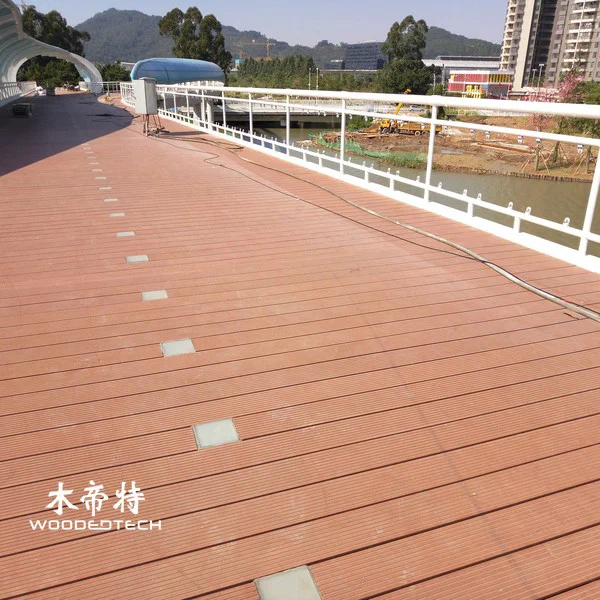
Designing high-performance outdoor wood plastic composite (WPC) formulas for decking, wall cladding, fencing, pergolas, and landscape products requires a careful balance between various components. The goal is to create materials that are durable, cost-effective, and environmentally sustainable while meeting the specific needs of each application.
The formulation process begins with selecting the right ratio of wood fiber to plastic. Generally, a higher wood fiber content enhances the natural look and feel of the product, while plastic improves durability and resistance to moisture. A common starting point is a 50:50 ratio, but adjustments can be made based on the desired characteristics. For decking, a slightly higher plastic content may be preferable to improve weather resistance and longevity.
Additives and Their Importance
Additives play a crucial role in enhancing the performance of WPC products. Key additives to consider include:
- UV stabilizers: Protect against sun damage, preventing fading and degradation.
- Anti-fungal agents: Combat mold and mildew growth, especially important for outdoor applications.
- Colorants: Provide aesthetic appeal and help in achieving the desired finish.
- Lubricants: Facilitate the manufacturing process, improving flow during extrusion.
The choice of additives must align with the overall performance goals while being mindful of cost. High-quality additives can increase initial costs, but they often lead to longer-lasting products, providing better value over time.
Cost Control Strategies
Achieving a balance between performance and cost is essential in WPC formulation. One effective strategy is to source raw materials wisely. For instance, using recycled plastic can reduce costs and environmental impact. Additionally, optimizing the production process can minimize waste and improve efficiency.
Consideration of local market conditions is also vital. Prices for wood fibers and plastics can vary significantly based on location and availability, so adjusting formulations based on local resources can lead to better cost control.
Product Lifespan and Maintenance
The lifespan of WPC products is influenced by the formulation, environmental conditions, and maintenance practices. High-quality formulations can lead to products that last for decades with minimal maintenance. However, educating consumers about proper care is crucial, as neglect can shorten the lifespan of even the best products.
Including features like slip resistance and easy cleaning surfaces can enhance user satisfaction. WPC products with a capped layer, for instance, can provide additional protection against wear and tear, making them suitable for high-traffic areas like decks and patios.

Conclusion
Developing high-performance outdoor wood plastic composites involves a delicate balance of wood fiber content, plastic ratios, and additives, all while keeping an eye on costs and longevity. By understanding the specific needs of each application and leveraging quality materials and innovative processes, manufacturers can create products that not only meet performance expectations but also deliver value to consumers.
Related Articles
 Wood Polymer Composite Decking Provides Long Lasting Performance for Outdoor Projects
 Innovative Solutions: Installing Composite Decking on Existing Decks in 2023
 Maximize Your Outdoor Space: 2023 Composite Decking Sale Insights for Businesses
 Decking Composite Pool Solutions Provide Safe and Attractive Surfaces Around Swimming Areas
Related Products
 GD13820 M Shape Co Extruded Composite Deck Planks Feature a Special Profile Design for Distinctive Outdoor Decking Applications
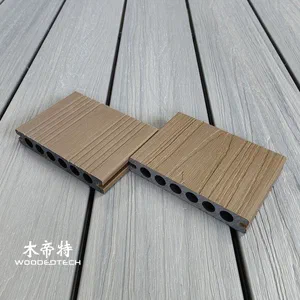 GD13823-3 Teak TK Co Extruded Decking Is a Popular Choice from Composite Decking Suppliers for Outdoor Flooring Projects
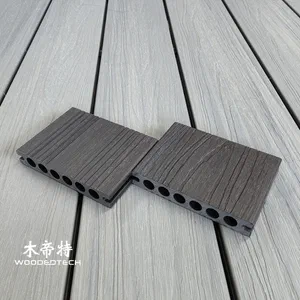 GD13823-3 Walnut WN Co Extruded Decking Features a Dark Rich Color That Helps Resist Visible Dirt and Stains