
Cheap Composite Decking Boards UK: A B2B Buyer’s Guide for 2026
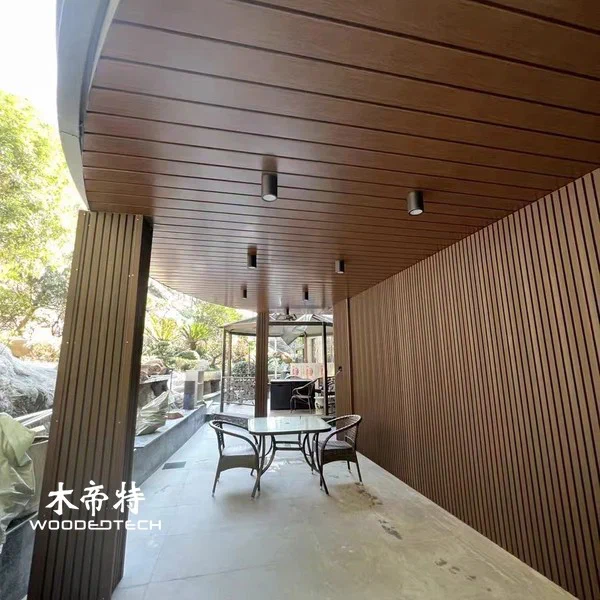
Cheap composite decking boards in the UK offer importers, wholesalers, distributors and landscaping suppliers an opportunity to meet growing demand for affordable, low-maintenance outdoor flooring. For B2B buyers sourcing in 2026, the challenge is finding a competitive composite decking price without sacrificing material quality, weather resistance or long-term product performance. Working directly with an experienced WPC manufacturer can help reduce purchasing costs while maintaining consistent supply and product standards.
What Determines the Price of Composite Decking Boards in the UK?
The price of composite decking boards varies according to raw materials, manufacturing processes, board construction, surface treatments and order quantities. Buyers comparing cheap composite decking suppliers should look beyond the initial quotation and understand what is included in the product specification.
Most wood plastic composite decking consists of recycled wood fibres, thermoplastics and functional additives. The proportion and quality of these ingredients influence mechanical strength, dimensional stability, colour consistency and resistance to outdoor conditions. Lower-priced products may use basic formulations or less sophisticated production methods, while premium products often incorporate enhanced surface protection and more controlled manufacturing processes.
Several factors influence wholesale purchasing costs:
- Raw material composition: Wood fibre quality, recycled plastic selection and additive formulations affect production costs.
- Board structure: Hollow and solid composite decking boards have different material requirements and applications.
- Surface treatment: Embossed, brushed and wood-grain finishes involve different manufacturing processes.
- Production technology: Co-extrusion technology adds a protective outer layer but generally increases manufacturing costs.
- Order quantity: Larger container orders can reduce unit costs through economies of scale.
- Packaging and logistics: Export packaging, container loading and shipping arrangements affect the final landed cost.
For UK distributors, requesting quotations based on the same technical specifications is essential for making meaningful price comparisons.
Hollow vs Solid Composite Decking: Which Is More Economical?
One of the most important purchasing decisions is choosing between hollow and solid composite decking boards. Both options serve different market requirements, and the lowest unit price does not necessarily represent the best commercial choice.
Hollow composite decking contains internal cavities that reduce material consumption and overall board weight. This construction can lower manufacturing and transportation costs, making hollow boards attractive for residential gardens, balconies and general outdoor landscaping projects. However, buyers should assess wall thickness, internal reinforcement and load-bearing performance before selecting a product.

Solid composite decking contains more material throughout its cross-section. It generally offers greater mass and can be suitable for commercial walkways, public outdoor spaces and applications requiring additional structural strength. Its higher material consumption typically results in a higher purchase price.
For wholesalers targeting the budget-conscious UK residential market, hollow boards can provide a competitive entry-level product. Distributors serving commercial contractors may benefit from including solid boards in their product range to accommodate different project specifications.
How to Evaluate Cheap WPC Decking Quality
A low wholesale price is only commercially attractive when the product performs reliably after installation. Poor-quality decking can lead to customer complaints, replacement costs and damage to a distributor’s reputation.
Before placing a bulk order, international buyers should request technical specifications and physical samples from potential manufacturers. Important quality indicators include:
- Density and material composition: Check whether the formulation provides sufficient strength and stability for the intended application.
- Water absorption: Evaluate resistance to moisture penetration and dimensional changes.
- UV resistance: Confirm that the product has been tested for outdoor colour stability.
- Slip resistance: Request relevant surface performance test results, particularly for garden paths and poolside applications.
- Flexural strength: Assess the board’s ability to withstand expected loads.
- Colour consistency: Compare samples from different production batches.
- Dimensional accuracy: Check board thickness, width, length and manufacturing tolerances.
Buyers should also examine the decking installation system. Compatible clips, screws, joists and edge finishing accessories help contractors achieve consistent installation results. A manufacturer capable of supplying complete decking systems can simplify procurement and reduce compatibility problems.
Why Consider Co-Extrusion Composite Decking?
Co-extrusion decking is an increasingly important option for buyers looking to balance affordability with enhanced outdoor performance. Unlike traditional uncapped WPC decking, co-extruded boards feature a protective polymer layer surrounding the composite core.
This outer layer is designed to improve resistance to staining, moisture, fading and everyday surface wear. It can also make routine cleaning easier, which is attractive to property developers, landscaping contractors and commercial project suppliers.
Although co-extrusion decking generally costs more than entry-level hollow WPC boards, its additional surface protection may offer better value over the product’s service life. Buyers should compare the price difference against the intended application, expected maintenance requirements and customer expectations.
For distributors, offering both traditional composite decking and capped composite decking creates opportunities to serve different market segments without relying on a single price point.
Choosing a Reliable Composite Decking Manufacturer for UK Wholesale
Finding a dependable WPC decking manufacturer is just as important as negotiating a competitive price. UK importers need suppliers capable of maintaining stable production quality, meeting agreed delivery schedules and providing practical export support.
When evaluating potential manufacturing partners, consider the following factors:
- Manufacturing capacity: Check extrusion lines, production capabilities and monthly output.
- Quality control: Ask about incoming material inspection, production monitoring and finished-product testing.
- Customisation: Confirm available colours, dimensions, surface textures and private-label packaging options.
- Export experience: Look for familiarity with international container shipments, export documentation and packaging requirements.
- Sample availability: Request samples before approving a large production order.
- Technical support: Evaluate whether the supplier can provide installation guidance, product specifications and technical documentation.
Working directly with a factory can eliminate additional distribution layers and provide greater control over product development and purchasing costs. Buyers planning regular imports should also discuss minimum order quantities, production lead times and long-term pricing arrangements before signing a supply agreement.
Calculating the Real Cost of Importing Composite Decking into the UK
For B2B buyers, the manufacturer’s quotation represents only part of the total procurement cost. A more accurate comparison should consider the complete landed cost, including international freight, insurance, customs clearance, applicable import duties, VAT and domestic transportation.
Container utilisation is another important consideration. Composite decking boards are relatively bulky, so packaging design, board length and loading efficiency can significantly influence transportation costs per square metre. Buyers should request container loading plans and estimated quantities per 20-foot or 40-foot container when comparing suppliers.
It is also worth checking the applicable UK import requirements and product documentation before ordering. Depending on the product and intended application, buyers may need supporting test reports, material information and relevant compliance documentation. Any applicable building, fire-performance or project-specific requirements should be confirmed before finalising specifications.
A practical sourcing strategy is to compare suppliers using three figures: unit price per square metre, estimated landed cost per square metre and expected product performance. This approach helps importers identify genuinely competitive products rather than simply choosing the cheapest quotation.
For UK wholesalers, retailers and construction material distributors entering the 2026 outdoor flooring market, affordable composite decking should combine competitive factory pricing, consistent manufacturing quality and dependable export services. Partnering with an experienced outdoor WPC manufacturer makes it easier to develop a product range that meets different customer budgets while supporting sustainable long-term business growth.
Related Articles
Related Products
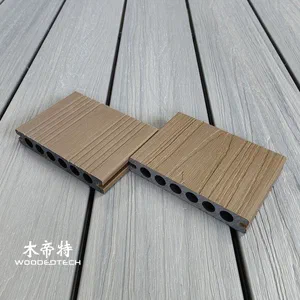 GD13823-3 Teak TK Co Extruded Decking Is a Popular Choice from Composite Decking Suppliers for Outdoor Flooring Projects
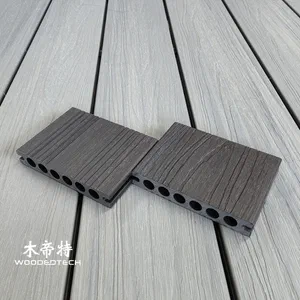 GD13823-3 Walnut WN Co Extruded Decking Features a Dark Rich Color That Helps Resist Visible Dirt and Stains
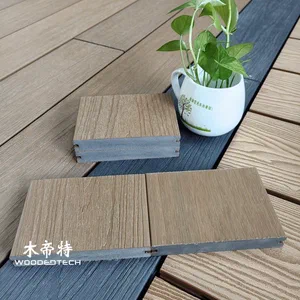 The GD14020S Composite Decking on Sale Features a Solid Core Structure Designed to Withstand Extreme Outdoor Temperature Changes and Freezing Conditions