
Capped vs Uncapped Composite Decking: Ultimate Buying Guide for B2B Importers
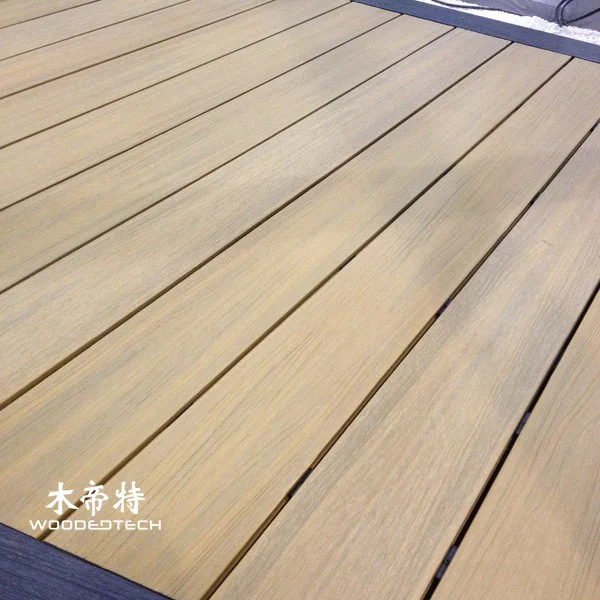
Capped and uncapped composite decking serve different buying needs, especially for importers supplying commercial projects, distributors, and private label brands. The right choice affects product positioning, price band, warranty expectations, and long-term customer satisfaction. This guide compares both options from a B2B sourcing perspective so you can choose the best fit for your market.
What Capped and Uncapped Composite Decking Mean

Capped composite decking has a polymer cap wrapped around the board, usually on three sides or fully on all sides. This cap improves stain resistance, moisture resistance, color retention, and overall surface durability.
Uncapped composite decking does not have that outer shell. It relies on the base material itself for performance, which usually makes it more affordable but less resistant to long-term wear and environmental exposure.
For B2B buyers, this difference is not just technical. It affects product lifecycle, claim rates, buyer segments, and resale margins.
Key Performance Differences
If you are sourcing for outdoor construction, hospitality, real estate, or retail distribution, these are the core differences that matter.
- Moisture resistance: Capped boards perform better in wet climates, near pools, and in coastal markets.
- Stain resistance: The cap helps reduce absorption from food, oils, and organic debris.
- Color stability: Capped products generally hold color longer under UV exposure.
- Scratch resistance: The outer shell improves surface protection, though heavy abrasion can still mark it.
- Price: Uncapped decking is usually cheaper at purchase, which helps value-focused programs.
- Repair and wear pattern: Uncapped boards can age more visibly because the full material is exposed.
Capped decking is often the better option for premium outdoor projects and markets that expect lower maintenance. Uncapped decking can still be attractive for budget projects, short-cycle developments, or buyers who prioritize lower upfront cost.

Why Importers Choose Capped Composite Decking
Many importers favor capped composite decking because it aligns well with current demand for low-maintenance outdoor products. End users want a surface that looks good with minimal upkeep, and capped boards fit that message.
From a sourcing standpoint, capped products often support stronger branding. They are easier to position as premium, more modern, and more durable. That matters if you sell through contractors, retailers, or private label channels.
Capped boards also work well in segments where appearance drives the sale:
- residential terraces
- hotel and resort decks
- pool surrounds
- rooftop leisure areas
- commercial landscaping projects
For exporters, capped composite decking can justify higher selling prices and better margin structure, especially when paired with strong warranty language and consistent surface finishing.
Where Uncapped Decking Still Makes Sense
Uncapped composite decking is not obsolete. It still has a role in markets where price sensitivity is high or performance requirements are moderate.
It can be a practical choice for:
- short-term developments
- budget housing projects
- low-traffic garden decks
- internal trade programs where price is the main purchasing factor
- customers comparing composite against timber at the lowest possible entry point
Because uncapped boards cost less to produce, they can open doors in competitive markets. The key is to be clear about their maintenance expectations and suitability. If the buyer assumes premium performance at a budget price, disputes are more likely later.
What B2B Buyers Should Check Before Ordering
When comparing suppliers, do not stop at capped versus uncapped. The total quality profile matters more than the label alone.
Check these points first:
- Cap thickness and bonding quality
- Core formulation and recycled content ratio
- Slip resistance for wet environments
- UV and fade test results
- Water absorption rate
- Board dimensions and tolerance control
- Surface finish consistency across batches
- Compatibility with clips, joists, and fasteners
- Packaging strength for export transit
- Warranty terms and exclusions
A low-grade capped board can underperform a well-made uncapped board in some cases, especially if the cap adhesion or base formula is weak. Ask for test reports, batch photos, and full specification sheets before placing a large order.
Cost, Margin, and Positioning
For importers, pricing strategy is often the deciding factor.
Uncapped decking usually offers:
- lower factory cost
- easier entry into price-driven markets
- simpler inventory positioning for economy ranges
Capped decking usually offers:
- stronger perceived value
- better premium positioning
- more room for margin expansion
- lower post-sale complaint risk in harsh climates
If your market has both contractor and retail channels, you may want both product types in your portfolio. Uncapped boards can cover entry-level demand, while capped products support higher-end projects and brand credibility.
The most profitable approach is often a tiered lineup. That lets buyers choose based on project class, not just price.
Best Use Cases by Market Type
Different markets tend to prefer different product profiles.
Capped composite decking is usually better for:
- Europe and North America, where low maintenance is a selling point
- coastal and humid regions
- hospitality and commercial property development
- premium landscaping distributors
Uncapped composite decking is often suitable for:
- price-driven emerging markets
- bulk housing and budget renovation
- wholesalers targeting trade buyers with tight cost targets
- projects where direct sun and moisture exposure are limited
If you are building a catalog for multiple regions, local climate and customer expectations should shape your product mix.
How to Evaluate a Supplier
A supplier’s capability matters as much as the decking type. Ask whether they can provide stable production, consistent color matching, and export-ready packaging.
Good supplier questions include:
- Can you supply both capped and uncapped lines?
- What is your monthly capacity?
- Do you offer custom colors or board profiles?
- What are your surface treatment options?
- Can you provide samples and third-party test reports?
- What is your standard loading and pallet method?
- How do you handle quality issues on arrival?
If you are sourcing for private label or project supply, the supplier should also understand documentation, labeling, and container planning. Reliability is often worth more than the lowest unit price.
Buying Decision Framework
A simple rule helps narrow the choice.
Choose capped composite decking when the buyer wants:
- better weather resistance
- stronger visual durability
- premium retail positioning
- lower maintenance expectations
- longer product life in demanding environments
Choose uncapped composite decking when the buyer wants:
- lower purchase cost
- basic composite performance
- competitive entry-level pricing
- short-cycle or moderate-use applications
- easier price matching in value markets
For many importers, the real answer is not one or the other. A mixed portfolio often gives the best balance of margin, demand coverage, and customer retention.
FAQ
Q: Is capped composite decking worth the extra cost? A: Yes, for most premium and high-exposure projects. The added moisture, stain, and fade resistance usually improves long-term value.
Q: Is uncapped decking lower quality? A: Not necessarily. It is usually more budget-friendly and may suit low-traffic or price-sensitive projects, but it offers less surface protection.
Q: Which type is better for humid or coastal markets? A: Capped composite decking is usually the safer choice because the protective shell improves resistance to moisture and staining.
Q: Can I sell both capped and uncapped boards under one brand? A: Yes. Many importers use a tiered product line to serve different price points and project levels.
Q: What should I ask for from a manufacturer before ordering? A: Request technical data, sample boards, warranty terms, load plans, color consistency details, and test reports for UV, slip, and water absorption.
Related Articles
Related Products
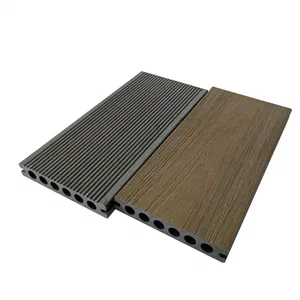 GD14023 Composite Decking Versus Wood Decking Features a Round Hole Structure with Semi Capped Co Extrusion
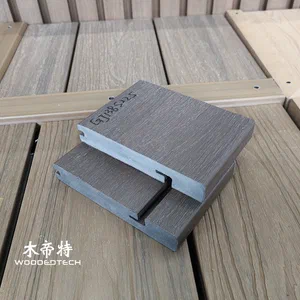 GD13822.5S Fully Capped Solid Starter Wood Polymer Composite Decking Provides a Stable Starting Structure for the First Decking Board
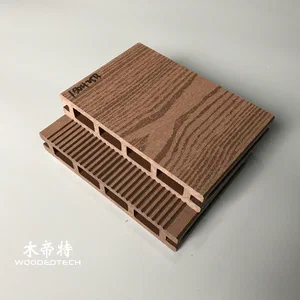 D15025-2 Classic Waterproof Insect Resistant Corrosion Resistant And Termite Resistant Composite Decking Types With Twenty Years Of Sales Experience