
Capped vs Uncapped Composite Decking: Key Differences for Industrial Applications in 2023
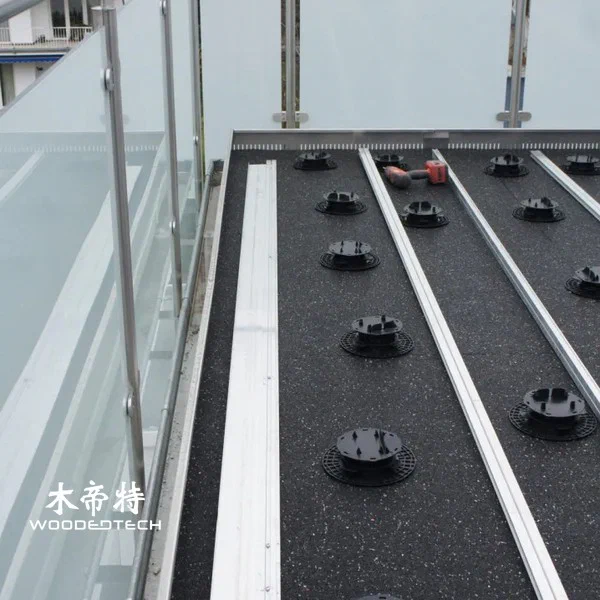
Capped and uncapped composite decking presents distinct differences that impact their suitability for various industrial applications. Understanding the components involved, including wood powder, HDPE/PVC polymers, additives, pigments, and modifiers, is essential for assessing durability, weather resistance, and overall performance.
Material Composition
The core materials play a critical role in the quality of composite decking. Capped composite decking typically consists of a core made from a blend of wood powder and plastic polymers, usually HDPE or PVC. This combination offers enhanced durability while providing a natural wood appearance. In contrast, uncapped composite decking lacks a protective outer layer, exposing the core materials to environmental factors, which can lead to quicker degradation.
- Wood powder: Provides a natural look and feel; however, its quality directly affects the strength and weight of the final product.
- HDPE/PVC polymers: Contribute to the moisture resistance and structural integrity of the decking. HDPE is more environmentally friendly, while PVC can offer additional durability.
- Additives: Used to enhance properties such as UV resistance, color stability, and impact resistance.
- Pigments: Affect the aesthetics and can include UV stabilizers to prevent fading.
- Modifiers: Help improve processing during manufacturing and enhance the physical properties of the composite.

Performance and Durability
Capped composite decking is designed for superior performance, particularly in outdoor settings. The outer layer protects against moisture, UV rays, and physical damage, contributing to a longer lifespan. This makes capped options suitable for high-traffic areas and climates with extreme weather conditions. In contrast, uncapped decking, while often more affordable, may require more maintenance and has a shorter lifespan due to its vulnerability to moisture and fading.
Key performance aspects include:
- Weather resistance: Capped decking is generally more resilient against water penetration and UV radiation.
- Scratch resistance: The protective layer helps prevent scratches and scuff marks compared to uncapped decking.
- Color retention: Capped options maintain their color longer due to UV protection, which is critical for aesthetic purposes in commercial applications.
Factory Inspection Methods
Quality control is vital in ensuring the performance and durability of composite decking. Effective factory inspection methods include:
- Visual inspection: Assessing the surface finish and color consistency to identify any defects.
- Moisture content testing: Ensuring wood powder is properly dried to minimize warping and swelling.
- Mechanical testing: Evaluating tensile strength and impact resistance to ensure the product meets industry standards.
- Dimensional checks: Verifying the thickness, width, and length of decking boards to ensure they conform to specifications.
Quality Standards
Adhering to established quality standards is crucial for ensuring the longevity and safety of composite decking. Various industry standards, such as ASTM (American Society for Testing and Materials) and ISO (International Organization for Standardization), provide guidelines for testing composite materials.
- ASTM D7032: Standard specification for wood-plastic composite products.
- ISO 13891: Standard for the determination of the resistance to weathering of polymeric materials.
These standards help manufacturers maintain consistency and reliability in their products, ultimately benefiting the end-user.
Market Considerations
When choosing between capped and uncapped composite decking for industrial applications, it’s essential to consider the specific requirements of the project. Factors such as exposure to moisture, sunlight, and foot traffic will influence the decision. Capped composite decking, while often higher in cost, offers significant long-term benefits in durability and maintenance, making it a worthwhile investment for many applications.
Related Articles
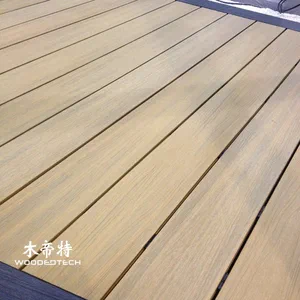 Capped vs Uncapped Composite Decking: Ultimate Buying Guide for B2B Importers
 What Is The Difference Between Capped And Uncapped Composite Decking for Outdoor Flooring Projects
 Best Practices for Composite Decking Spacing: A Comprehensive Guide for 2023
 Choosing Composite Decking for Pools: A Comprehensive Guide for B2B Professionals in 2023
Related Products
 GD13820 M Shape Co Extruded Composite Deck Planks Feature a Special Profile Design for Distinctive Outdoor Decking Applications
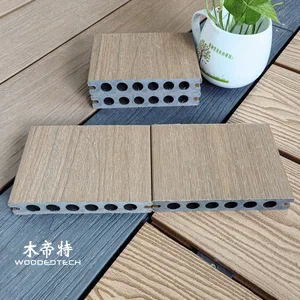 GD13823 Double Sided Flat Surface Co Extruded WPC Decking Features a Popular Width and Thickness with Round Hollow Structure
 GD13823-3 Composite Boards for Decking Are Available in Multiple Stock Colors with 3 Meter Lengths and Single Piece Delivery