
capped decking composite decking board offers enhanced surface protection for outdoor applications
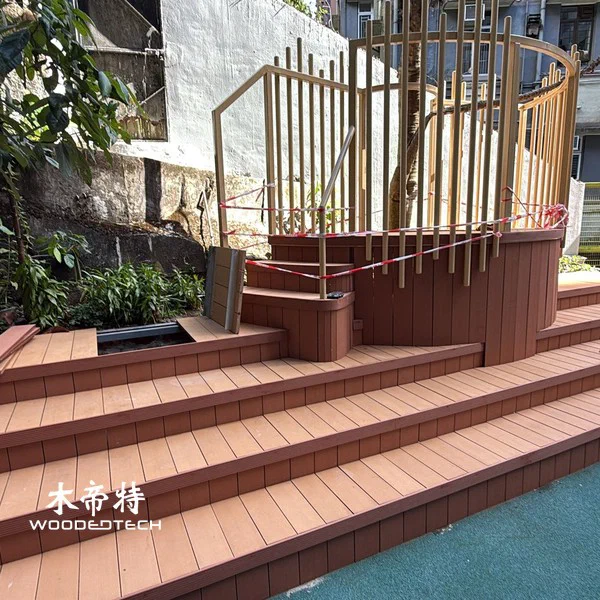
capped decking composite decking board offers enhanced surface protection for outdoor applications
Capped decking composite decking board is designed to combine a protected outer shell with a structurally efficient WPC core, making it a practical choice for outdoor flooring. For buyers and project planners, the board’s profile design, internal structure, and surface treatment all affect strength, weight, cost, and how fast the deck can be installed.
Profile design: the starting point for performance
In WPC extrusion, profile design is not only about appearance. Board thickness, width, edge shape, and groove location determine how the product carries load, locks onto joists, and resists sagging over time. A well-designed capped profile also helps the cap layer wrap evenly around the core, reducing weak points at the edges.
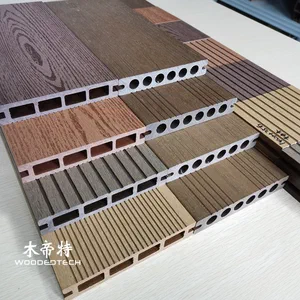
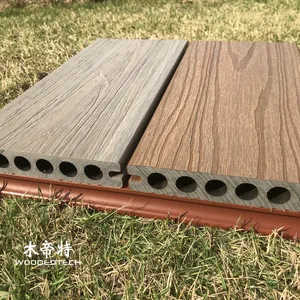
Hollow profiles are often chosen for projects where weight control matters. They are easier to handle, reduce freight cost, and can lower material usage. Solid profiles, by contrast, offer higher impact resistance and a more rigid feel underfoot, which is useful for high-traffic areas or commercial decks. The right choice depends on span spacing, expected traffic, and the installation environment.
Hollow versus solid: cost and load balance
Hollow WPC decking usually provides the best balance between cost and practicality for many outdoor applications. It uses less raw material, so the board price is often more competitive, and lighter boards speed up handling on site. The trade-off is that hollow boards need careful rib design to maintain stiffness.

Solid decking is heavier and more expensive, but it delivers better screw-holding performance and a more substantial installation feel. For long service life in demanding areas, solid structures can be the better answer when the budget allows.
Rib design and surface patterns
Internal ribs are the hidden feature that often decides whether a board performs well or fails early. Rib height, spacing, and wall thickness influence flexural strength, dimensional stability, and resistance to cracking during fastening. Poor rib layout can cause uneven stress distribution, while optimized ribs improve load transfer and reduce material waste.
Surface patterns matter too. Embossed or wood-grain textures improve slip resistance and visual appeal, while a properly capped surface protects against staining, fading, and moisture uptake. On outdoor decks, surface texture also affects cleaning performance: deeper textures can look natural, but they should not trap dirt excessively.
Installation performance in real projects
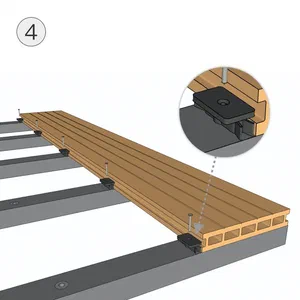
For installers, board geometry can save time or create delays. Straight, dimensionally stable profiles cut more cleanly, align better on joists, and reduce rework. Hollow boards are easier to carry and position, but they require correct clip spacing and end support. Solid boards tolerate more fixing options, though they add weight and labor.
Capped decking composite decking board is especially suited to projects where long-term appearance and lower maintenance are priorities. When the extrusion profile is engineered correctly, the deck installs faster, performs more predictably, and delivers a stronger commercial value over time.
FAQ
Q: Why is capped decking better for outdoor use? A: The cap layer adds protection against moisture, staining, and UV exposure. That makes the board more durable and easier to maintain in exposed environments.
Q: Are hollow WPC boards weaker than solid boards? A: Not necessarily. Hollow boards can perform very well when the rib structure is properly designed and the joist spacing matches the product specification. Solid boards are mainly chosen for higher load capacity and a more rigid feel.
Q: What affects the price of a WPC decking board most? A: Material usage, cap thickness, profile complexity, and whether the board is hollow or solid all influence cost. Surface texture and installation system also play a role.
Related Articles
Related Products
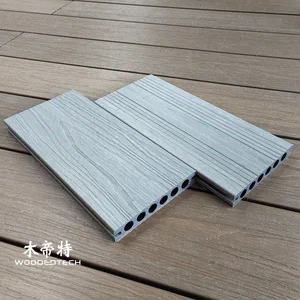 Antique Wood GD13823-3 Co Extruded Composite Wood Decking Boards with Round Holes Are Available in Stock in 3 Meter Lengths Year Round
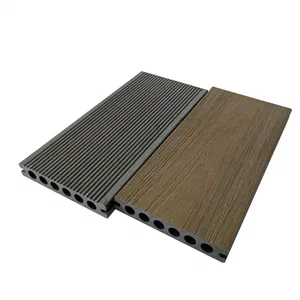 GD14023 Composite Decking Versus Wood Decking Features a Round Hole Structure with Semi Capped Co Extrusion
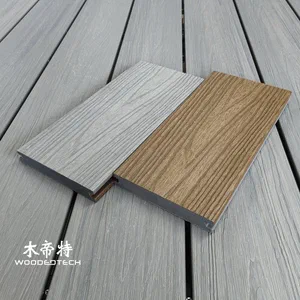 Second Generation Two Color Co Extruded 3D Embossed 3DGD14023S Composite Wood Deck Boards Feature an Extremely Realistic Antique Wood and Teak Grain Texture