
capped composite decking brands comparison helps buyers understand different quality levels and product features

Outdoor WPC is often chosen for decking and cladding because it bridges the gap between the look of wood and the lower maintenance profile buyers expect from modern exterior materials. For projects that need stable appearance, predictable upkeep, and easier lifecycle planning, it is a practical alternative to natural wood, traditional timber, and aluminum-based systems.
Where Outdoor WPC Fits
Outdoor WPC, especially capped composite decking, is built for buyers who want a wood-like surface without the same level of staining, sealing, and repainting. The cap layer improves resistance to moisture, fading, and surface wear, which is why product quality varies so much across capped composite decking brands.

Compared with natural wood, WPC is less sensitive to rot, splintering, and insect damage. Compared with traditional timber, it usually offers more consistent color and profile stability, which matters on larger commercial decks, hospitality terraces, and residential outdoor areas where visual uniformity is important.
Material Comparison
Natural wood delivers a warmer, more authentic appearance and can be refinished several times, but it demands regular sealing, cleaning, and early intervention when moisture damage starts. Traditional timber is strong and familiar, yet performance depends heavily on species selection, installation quality, and local climate. In wet or sunny environments, lifecycle costs often rise because maintenance is continuous.
Aluminum performs differently. It is highly durable, non-absorptive, and resistant to corrosion when specified correctly, but it feels colder underfoot and does not replicate the texture of timber. For decking, aluminum usually makes sense in demanding environments where structural longevity matters more than the natural look.
Other exterior materials have their own tradeoffs. PVC boards can be low maintenance but may feel less rigid or less premium. Concrete and stone are long-lasting, yet they are heavy, harder to install, and usually less comfortable for everyday barefoot use. That is why buyers often compare composite decking with wood cost, not just initial purchase price.
Maintenance and Lifecycle Cost
The main advantage of capped composite decking is reduced routine care. Most installations only need washing, debris removal, and basic inspection of fasteners and drainage. There is no sanding, oiling, or seasonal resealing like with wood.
Lifecycle cost is where the comparison becomes clearer:
- Natural wood: lower entry cost in some cases, but higher ongoing maintenance
- Traditional timber: moderate to high lifecycle cost due to refinishing and repair
- Aluminum: higher upfront cost, low maintenance, long service life
- Capped composite decking: mid-to-high upfront cost, lower maintenance, balanced lifecycle value
For buyers evaluating composite decking quality levels, the differences usually come down to cap thickness, board density, slip resistance, color consistency, and warranty terms. Better products cost more upfront, but they usually reduce replacement risk and maintenance labor over time.
Buying Guidance
For residential terraces, pool edges, and hospitality decks, capped composite decking is often the most balanced choice. For projects where absolute natural character matters, wood may still be preferred. For structural exposure, heavy use, or harsh weather, aluminum can justify its cost. The right answer depends on look, maintenance capacity, and the expected service life of the project.
FAQ
Q: Is capped composite decking better than natural wood? A: It is better for low maintenance and weather resistance. Wood is still preferred when a fully natural appearance and refinishability are the priority.
Q: Why do capped composite decking brands differ so much in quality? A: Differences in raw materials, cap formulation, surface texture, and manufacturing control affect durability, color stability, and long-term performance.
Q: What material has the lowest lifecycle cost? A: It depends on the project, but capped composite decking and aluminum often outperform wood over time because they need less maintenance and fewer repairs.
Related Articles
 composite decking quality levels help customers compare different materials and performance standards
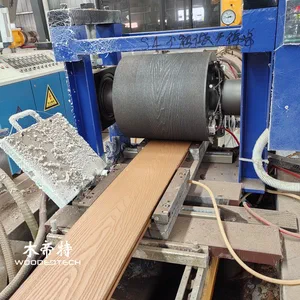 Best Decking Composite Brands: Complete Comparison & Buying Guide
 Premium Composite Decking Quality Standards and Testing Criteria
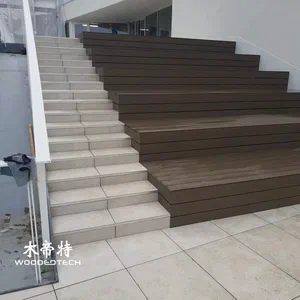 Composite decking weight helps customers choose suitable materials for different construction needs
Related Products
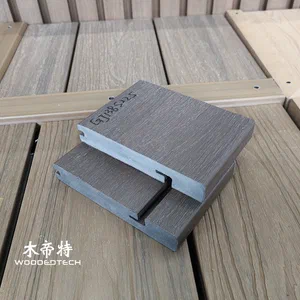 GD13822.5S Fully Capped Solid Starter Wood Polymer Composite Decking Provides a Stable Starting Structure for the First Decking Board
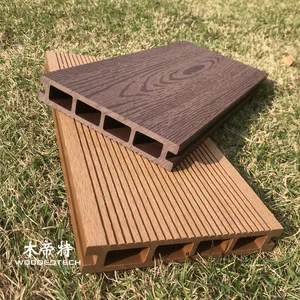 D14025-4 Composite for Decking Provides Stable Performance and Reliable Quality as a Popular Choice for Outdoor Projects
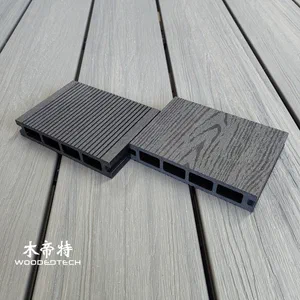 D14025-4 WPC Decking Boards Feature a Flat Wood Grain Surface with Black Ebony Heartwood Ring Grain for Outdoor Applications