
Budget Planning: 20x20 composite deck cost & Installation Guide
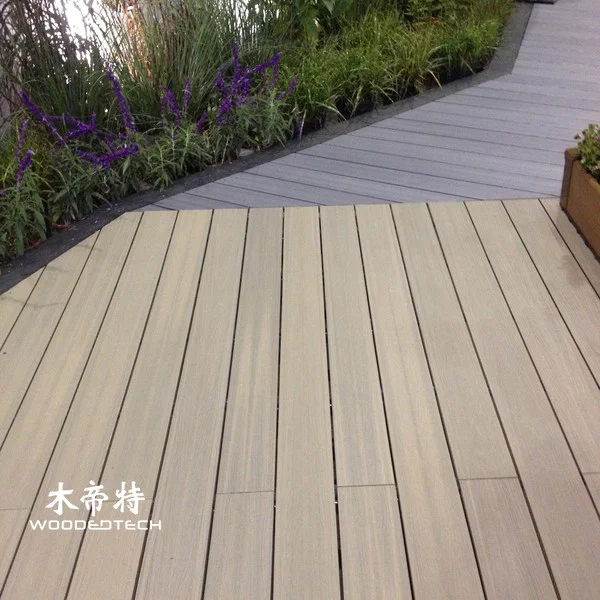
I’m drafting the article now and keeping it within the requested word budget, with the FAQ and metadata exactly in the required format.A 20x20 composite deck gives buyers 400 square feet of usable outdoor space, but the budget depends on more than board price. For commercial projects, the final cost is driven by framing, fasteners, stairs, railing, site prep, and labor rates.
What Drives the Budget
For a straightforward 20x20 layout, composite decking often sits in a higher upfront bracket than pressure-treated lumber, but the long-term maintenance profile is the real reason many B2B buyers choose it. A realistic installed budget can vary widely by region, access, and product grade, so the safest approach is to separate the estimate into material, labor, and site conditions.
Typical cost buckets include:
- Deck boards and trim
- Joists, beams, footings, and hardware
- Hidden fasteners, starter clips, and edge details
- Railing, stairs, and fascia
- Permits, equipment access, and haul-off
- Freight, waste allowance, and contingency

Installation Guide
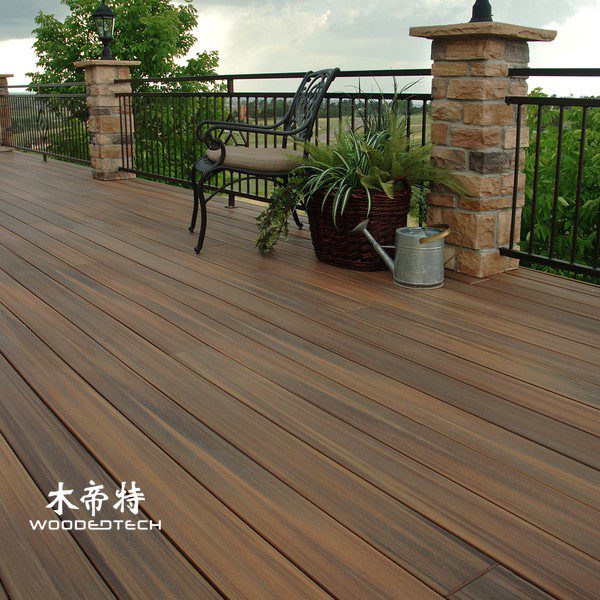
Good installation starts with the subframe. Composite boards need joists spaced according to the manufacturer’s specification, not a generic timber rule, because spacing affects deflection, drainage, and warranty compliance. That means the installer should confirm joist spacing, board direction, ventilation clearance, and fastening method before any decking goes down.
The sequence is usually: set footings, frame and square the structure, install joists and blocking, then lay boards with the required gaps for thermal movement. Stairs and railing should be planned early because they often control layout, labor time, and inspection requirements. On commercial jobs, it is also worth budgeting for corrosion-resistant fasteners and moisture-resistant framing where the deck is exposed to weather or wash-down conditions.
Budget Planning Tips
If the deck will support customer traffic, rooftop use, or a poolside environment, do not optimize only for the lowest board price. Higher-grade composite decking, a stronger substructure, and a cleaner fastening system usually reduce call-backs and extend service life. For buyers comparing vendors, request a line-item quotation with board coverage, waste factor, hardware, and installation assumptions clearly separated.
FAQ
Q: What is the biggest cost driver for a 20x20 composite deck? A: Labor and substructure usually have the largest impact, especially when grading, footings, or railing are required.
Q: Is composite decking more cost-effective than wood? A: Upfront, it is usually more expensive than basic lumber. Over time, lower maintenance and longer service life often improve total cost.
Q: How much extra material should be ordered? A: Plan for 5-10% waste on most jobs. Complex layouts, stairs, and pattern changes may need a larger allowance.
Related Articles
Related Products
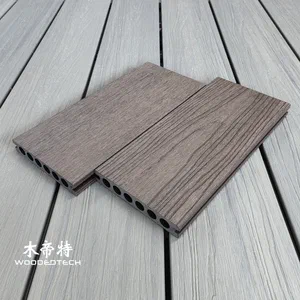 3DGD13823 Second Generation 3D Embossed Rosewood Composite Balcony Decking Delivers Ultra Realistic Wood Grain Texture and a Premium Natural Wood Experience
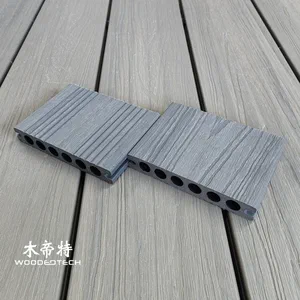 GD13823-3 Light Grey Premium Co Extrusion WPC Composite Decking Offers LG Texture and Excellent UV Resistance for Outdoor Spaces
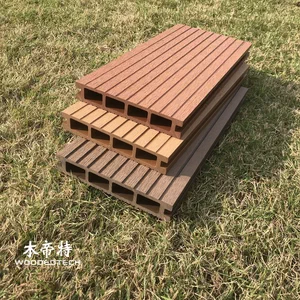 D14025-3 Square Hole Double Sided Grooved WPC Board Factory Producing Outdoor Decking Boards With Good Slip Resistance