
Brands of Composite Decking: A B2B Guide to Leading Manufacturers
Composite decking brands vary considerably in manufacturing technology, product quality, market positioning, and distribution capabilities. For B2B buyers, importers, distributors, and building material wholesalers, choosing the right manufacturer involves more than comparing board prices. Material composition, weather resistance, production capacity, certification, product innovation, and long-term supply reliability all influence the commercial value of a supplier.
Leading Composite Decking Brands in the Global Market
The global composite decking industry includes established North American brands, European manufacturers, and increasingly competitive Asian producers. Each group serves different customer segments, from premium residential projects to large-scale commercial developments.
Trex is one of the most recognized names in the North American composite decking market. The company focuses on recycled wood and plastic composites, offering capped decking boards, railing systems, and coordinated outdoor living products. Its strong brand recognition and established distribution network make it an important benchmark for premium composite decking.
TimberTech, part of The AZEK Company, is another major manufacturer. Its product portfolio includes advanced capped composite and PVC decking solutions. The brand competes through realistic wood-grain finishes, multiple color options, and products designed for residential and commercial outdoor spaces.
Fiberon has developed a strong position through its range of composite decking, railing, and outdoor living products. Its collections cover different price levels, allowing distributors to serve customers looking for both practical and premium decking solutions.
MoistureShield is known for moisture-resistant composite decking technologies and products designed for demanding outdoor environments. Its offerings are relevant to projects involving pools, docks, waterfront properties, and areas exposed to frequent moisture.
Deckorators provides composite decking and railing systems with an emphasis on appearance, installation flexibility, and outdoor design. Its products target homeowners, contractors, and professional distributors seeking coordinated decking solutions.
European manufacturers also contribute to the industry’s development. Millboard, for example, is known for its mineral-based composite decking with detailed wood-effect surfaces. UPM ProFi has developed composite products incorporating recycled materials, reflecting the European market’s interest in resource efficiency and sustainable construction.
These brands demonstrate that the competitive landscape is not defined by one manufacturing approach. Some companies compete through brand recognition and distribution, while others differentiate themselves through material engineering, surface technology, environmental positioning, or specialized applications.
Emerging Manufacturers and Regional Competition
Beyond established Western brands, manufacturers in Asia-Pacific are becoming increasingly important to international sourcing. China, in particular, has developed a substantial manufacturing base for wood plastic composite products, supported by extrusion technology, raw material availability, and export-oriented production.
NewTechWood is a recognized international supplier offering capped composite decking, exterior cladding, and railing products. Its product range illustrates the growing demand for coordinated outdoor building materials rather than standalone decking boards.
Eva-Last has built its market position around bamboo-plastic composite technology, decking systems, and outdoor applications. Its international presence makes it relevant to distributors looking for alternatives to conventional wood-plastic formulations.
Other manufacturers worth monitoring include Zhejiang Walrus, Taizhou Huali, Anhui Sentai, and Silvadec. These companies represent different manufacturing and regional market strategies, from large-scale WPC production to specialized composite building products. Industry market reports regularly identify these businesses alongside established international brands.
For importers and wholesalers, Asian manufacturers can offer competitive factory pricing, OEM production, customized dimensions, and private-label services. However, buyers should evaluate actual manufacturing capabilities rather than assuming that a lower quotation represents better purchasing value.

Global Trends Shaping the Composite Decking Industry
Several developments are changing how manufacturers compete and how international buyers select products.
First, capped composite decking and co-extrusion technology are gaining importance. Protective polymer layers help improve resistance to moisture, staining, fading, and everyday wear. Buyers increasingly compare surface protection, core composition, slip resistance, and warranty coverage rather than focusing exclusively on board thickness and price.
Second, realistic wood-grain finishes are becoming a major product differentiator. Embossed textures, natural color variations, and multi-tone surfaces help composite materials compete with premium natural timber. Manufacturers that can consistently reproduce attractive finishes have opportunities in residential landscaping, hospitality projects, and high-end commercial developments.
Third, sustainability is influencing purchasing decisions. Recycled plastics, reclaimed wood fibers, and alternative plant-based materials are attracting attention from distributors and construction companies. Nevertheless, environmental claims need supporting documentation, including recycled-content information and relevant product certifications.
Another important trend is the integration of outdoor building materials. Customers increasingly prefer coordinated systems combining decking, WPC wall cladding, composite fencing, pergolas, railing, privacy screens, and landscaping products. This creates opportunities for suppliers capable of providing multiple product categories through one manufacturing and distribution relationship.
Future Market Opportunities for B2B Buyers
North America remains an important market for premium composite decking, supported by residential renovation, outdoor living projects, and established professional installation channels. Europe offers opportunities for environmentally conscious materials, contemporary architectural finishes, and products meeting regional construction requirements.
Meanwhile, Asia-Pacific, the Middle East, and parts of Latin America present opportunities associated with urban development, hospitality construction, landscaping, and expanding outdoor recreational facilities. Market growth will not be uniform, so distributors should assess local climate conditions, import regulations, purchasing power, and competitive pricing before entering a new territory.
For wholesalers and importers, three business opportunities deserve particular attention.
- Premium product differentiation: Stock capped composite decking, advanced co-extrusion boards, and realistic wood-grain finishes to serve customers seeking longer service life and better appearance.
- Integrated outdoor product sourcing: Expand beyond decking into composite fence panels, WPC cladding, pergolas, decorative screens, and landscape products to increase order value and cross-selling opportunities.
- OEM and private-label development: Work directly with manufacturers offering custom colors, dimensions, packaging, extrusion profiles, and branding services to establish a differentiated product range.
Commercial projects also create opportunities for manufacturers supplying complete material packages. Hotels, resorts, apartment developments, swimming pool facilities, and public landscaping projects often require decking alongside fencing, wall panels, seating, and shade structures.
How to Select the Right Composite Decking Manufacturer
Choosing between established brands and OEM manufacturers requires a structured purchasing assessment. Buyers should compare production capacity, material consistency, surface technology, quality control, and export experience.
Important evaluation criteria include:
- Material composition: Confirm the wood fiber, recycled plastic, additives, and protective cap-layer specifications.
- Product performance: Request relevant test reports for water absorption, UV resistance, slip resistance, mechanical strength, and weathering.
- Manufacturing capabilities: Check extrusion lines, production capacity, color consistency, customization options, and inspection procedures.
- Export readiness: Evaluate packaging standards, container loading efficiency, documentation, lead times, and experience with the destination market.
- Commercial terms: Compare minimum order quantities, payment conditions, warranty coverage, replacement policies, and long-term pricing stability.
Buyers should also request physical samples and conduct independent testing when supplying demanding commercial projects. Certifications and performance claims should be checked against the intended application and destination country’s regulations.
The strongest sourcing strategy is not necessarily to purchase from the most famous brand or the cheapest factory. It is to build a dependable supplier portfolio that balances product quality, competitive landed cost, technical support, and consistent delivery. As demand expands across composite decking, WPC wall cladding, fencing, pergolas, and landscaping materials, manufacturers capable of delivering complete outdoor building solutions will have stronger opportunities to develop lasting international B2B partnerships.
Related Articles

Related Products
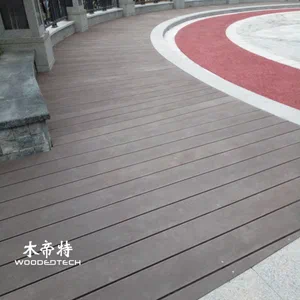
 GD13820 M Shape Co Extruded Composite Deck Planks Feature a Special Profile Design for Distinctive Outdoor Decking Applications
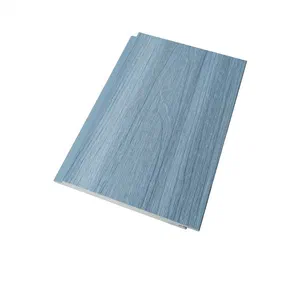
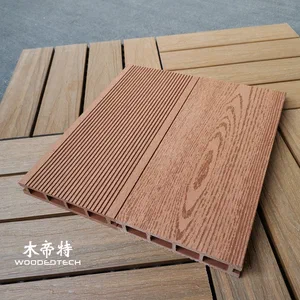 The Classic D14025-4 Red Wood WPC Wood Sheet Features a Timeless 2D Flat Wood Grain Design That Remains Popular After Twenty Years
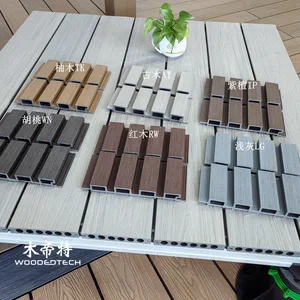
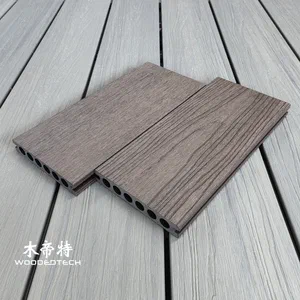 3DGD13823 Second Generation 3D Embossed Rosewood Composite Balcony Decking Delivers Ultra Realistic Wood Grain Texture and a Premium Natural Wood Experience