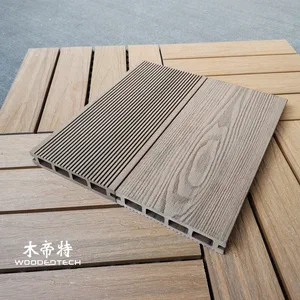
Best WPC Flooring Brands and High-Quality Manufacturing Standards
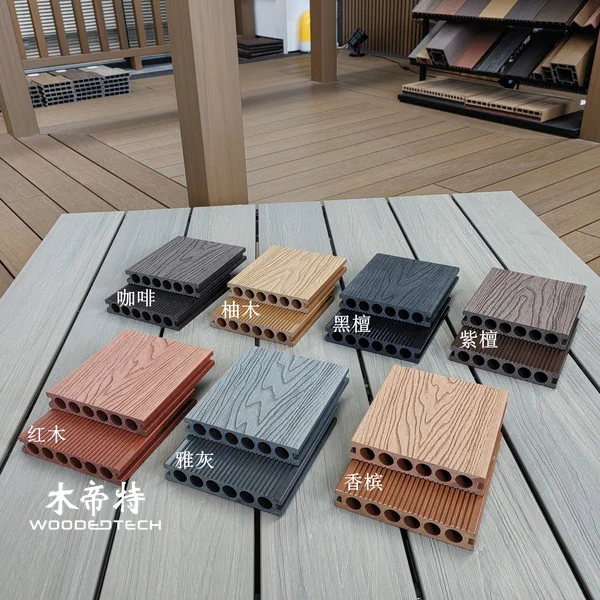
WPC flooring brands are only as reliable as the factories behind them. For B2B buyers, the real difference comes from material consistency, production control, and testing standards that protect every shipment and every project.
What Defines a Strong WPC Flooring Brand
A strong brand in this market is not built on marketing language. It is built on stable formulas, clean extrusion, accurate dimensions, and predictable performance in real use. Buyers should look for brands that publish clear technical data, support OEM requirements, and maintain repeatable quality across large orders.

- Is the product made from consistent wood plastic composite raw materials?
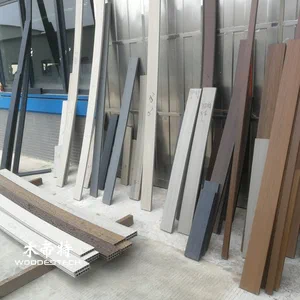
- Does the factory control color variation, density, and surface treatment?
- Can the supplier deliver the same standard for every batch?
Brands that can answer these questions clearly are usually better equipped for long-term B2B cooperation.
Manufacturing Standards That Matter
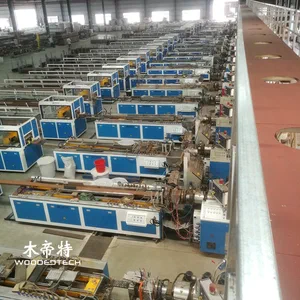
High-quality WPC flooring depends on the full production chain. Raw material screening, precise mixing, stable extrusion temperature, and proper cooling all affect the final board. If these steps are poorly controlled, problems such as warping, weak locking systems, or uneven wear can appear after installation.
Good manufacturers usually follow strict internal standards for:
- moisture control in composite materials
- anti-slip and wear-resistance testing
- UV and weather resistance checks
- load-bearing and dimensional stability inspection
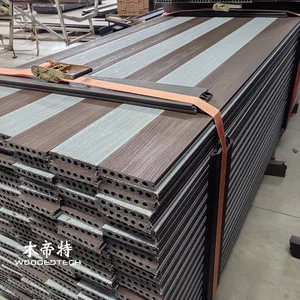
- packaging protection for export shipping
These controls are especially important for outdoor wpc flooring and commercial projects where performance must remain stable under heat, rain, and heavy foot traffic.
How Buyers Compare Brands
When comparing wpc flooring brands, buyers should not focus on price alone. A lower price can hide weak resin content, poor surface embossing, or inconsistent core structure. Instead, request samples, test reports, and application references from similar markets or climates.
It also helps to evaluate the factory’s service depth. A dependable supplier can provide private label support, custom colors, packaging options, and technical guidance for installation. This is where experienced wpc flooring brands separate themselves from trading-only sellers. In many cases, a factory with strong OEM capability offers better value than a brand that only looks polished on paper.
Why Factory Capability Shapes Brand Reputation
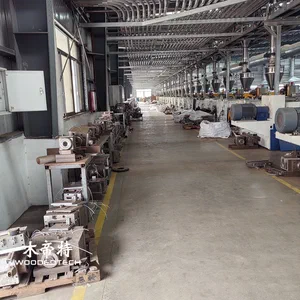
A brand’s reputation is often a reflection of its factory discipline. Skilled extrusion lines, well-maintained molds, and trained quality teams all reduce defect rates and improve consistency. For importers sourcing at scale, this means fewer claims, smoother inventory control, and stronger customer trust.
When a supplier demonstrates reliable manufacturing standards, the product becomes easier to position across retail, project, and wholesale channels. That is why serious buyers evaluate both the brand and the plant behind it before placing orders.
FAQ
Q: What should buyers check first when evaluating WPC flooring brands? A: Start with material composition, test reports, and batch consistency. These reveal more about real quality than product photos or sales claims.
Q: Why do manufacturing standards matter so much for WPC flooring? A: WPC flooring performance depends on precise control during mixing and extrusion. Weak process control can lead to instability, poor wear resistance, and shipping damage.
Q: Is OEM or private label support important for B2B buyers? A: Yes, especially for distributors and project suppliers. It helps you build a market-specific offer while keeping product quality and supply consistency under control.