
Best WPC Decking Provides High Quality Outdoor Flooring Solutions for Global Markets

The quality of outdoor wood plastic composite (WPC) products relies heavily on the raw materials used, including wood powder, HDPE/PVC polymers, additives, pigments, and modifiers. Each component plays a significant role in ensuring durability, weather resistance, and overall performance, which are crucial for outdoor applications.
Impact of Raw Materials on WPC Performance
Wood powder serves as the primary filler in WPC formulations, contributing to the material’s strength and aesthetic appeal. The quality and size of the wood powder affect the composite’s density and mechanical properties. Properly processed wood powder enhances the natural look of WPC products while also improving their structural integrity.
The choice between HDPE and PVC polymers significantly influences the durability and weather resistance of WPC. HDPE is known for its excellent impact resistance and flexibility, making it suitable for various outdoor applications. On the other hand, PVC provides superior rigidity and is more resistant to moisture, which helps to prevent degradation over time. The optimal blend of these polymers can enhance the product’s performance under different environmental conditions.
Additives like lubricants and processing aids improve the flow of the composite during manufacturing, facilitating a smoother production process. Additionally, UV stabilizers are essential to protect the surface from sun damage, ensuring color retention and preventing fading.
Pigments are not just for aesthetics; they also contribute to the material’s UV resistance. The right pigment can help in achieving vibrant colors while ensuring that the WPC maintains its appearance and performance over time.

Modifiers such as fire retardants and anti-fungal agents enhance the safety and longevity of WPC products, making them suitable for various climates and applications. These additives can significantly impact the overall durability and maintenance requirements of the finished product.
Factory Inspection Methods and Quality Standards
Quality control in a WPC factory involves multiple inspection methods to ensure that raw materials and finished products meet industry standards.
Incoming Material Inspection: Raw materials, including wood powder and polymers, undergo rigorous testing for consistency in size, moisture content, and purity.
In-Process Quality Control: Monitoring the mixing and extrusion processes is critical. Parameters such as temperature, pressure, and mixing times are regularly checked to ensure optimal processing conditions.
Physical Property Testing: Finished products are subjected to tests for tensile strength, flexural strength, and impact resistance, among others. These tests help to validate the performance claims of the WPC.
Weathering Tests: Outdoor exposure tests simulate real-world conditions to evaluate the weather resistance of the WPC. This includes testing for color retention and degradation under UV light and moisture exposure.
Compliance with Standards: Ensuring compliance with international standards such as ASTM, EN, and ISO ensures that the products are suitable for global markets and meet safety regulations.
By adhering to these practices and utilizing high-quality materials, manufacturers can produce WPC decking solutions that are not only attractive but also capable of withstanding the rigors of outdoor use.
FAQ
Q: What is the primary advantage of using HDPE in WPC products?
A: HDPE offers excellent impact resistance and flexibility, making it suitable for various outdoor applications.
Q: How does wood powder affect the durability of WPC?
A: Wood powder enhances the material’s strength and aesthetic appeal, contributing to the overall durability of WPC products.
Q: What standard tests are conducted to ensure WPC quality?
A: Common tests include tensile strength, flexural strength, and weathering tests to evaluate performance under real-world conditions.
Related Articles
 WPC Deck Provides Natural Wood Appearance with Long Lasting Outdoor Performance
 Wood Plastic Deck Boards Combine Natural Appearance with Durable Outdoor Performance
 WPC Cladding Outdoor Systems Create Modern Exterior Walls with Weather Resistant Performance
 WPC Exterior Wall Cladding Price Depends on Material Quality Design and Project Requirements
Related Products
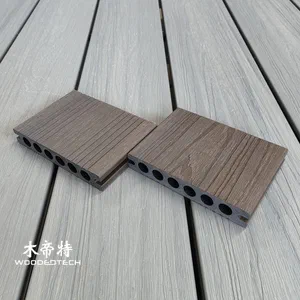 Purple Sandalwood GD13823-3 Co Extruded WPC Outdoor Decks with Round Holes Are Available in Stock in 3 Meter Lengths Year Round
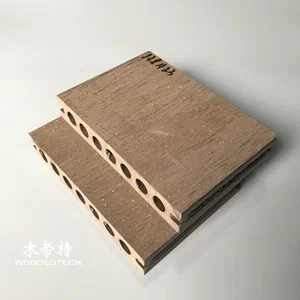 D13823 Round Hole Double Sided Flat WPC Bamboo Decking Boards With Strong Quality And Various Wood Grain Surface Treatments
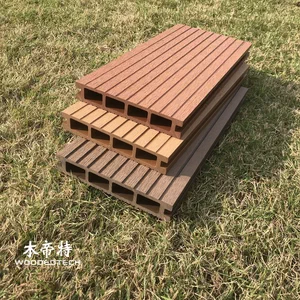 D14025-3 Square Hole Double Sided Grooved WPC Board Factory Producing Outdoor Decking Boards With Good Slip Resistance