
Best Practices for Composite Decking Spacing: A Comprehensive Guide for 2023
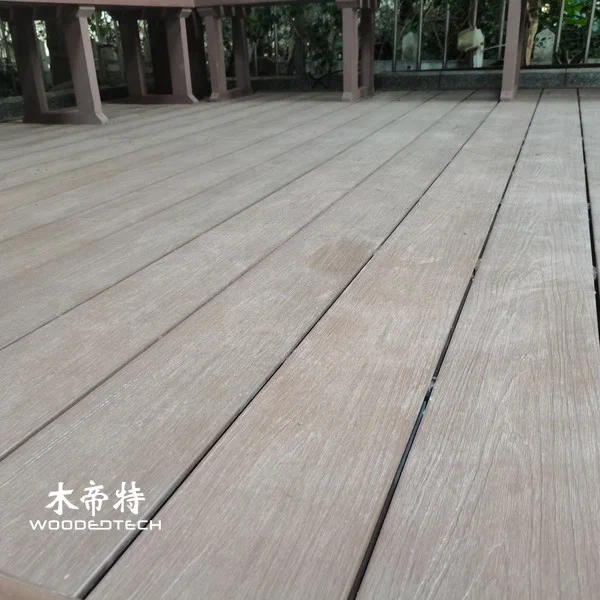
Outdoor WPC (Wood-Plastic Composite) products must undergo rigorous testing to ensure quality and performance before they reach customers. This guide highlights essential testing methods for key attributes like dimensional accuracy, density, impact resistance, water absorption, color stability, bending strength, and appearance inspection.
Dimensional Accuracy
Dimensional accuracy refers to how closely the product’s measurements align with specified standards. This is crucial for ensuring that the WPC products fit appropriately during installation. To test dimensional accuracy, the following steps are typically followed:
- Measure the length, width, and thickness of the products using precision measuring instruments.
- Verify that the measurements fall within the acceptable tolerance levels set by industry standards.
- Document any discrepancies for further analysis.
Density Testing
Density plays a significant role in the strength and durability of WPC products. The density test involves the following procedures:
- Weigh a sample of the WPC product using a calibrated scale.
- Measure the volume of the sample through water displacement or geometric calculations.
- Calculate the density by dividing the weight by the volume.
- Ensure that the density matches the manufacturer’s specifications to confirm quality.
Impact Resistance
Impact resistance indicates how well a WPC product can withstand sudden forces or shocks. Testing for impact resistance typically includes:
- Dropping a weighted object from a specific height onto the product surface.
- Observing the product for any visible cracks, dents, or deformations.
- Recording the results to compare against established benchmarks for impact resistance.
Water Absorption
Water absorption testing evaluates how well WPC products resist moisture, which is crucial for outdoor applications. The testing process generally includes:
- Weighing a dry sample of the WPC product.
- Immersing the sample in water for a specified duration, usually 24 hours.
- Removing the sample, drying it, and then re-weighing it.
- Calculating the water absorption percentage and ensuring it meets industry standards.
Color Stability
Color stability is essential for maintaining the aesthetic appeal of WPC products over time. The testing for color stability typically involves:
- Exposing samples to UV light for a predetermined period to simulate sun exposure.
- Comparing the color of the exposed samples against unexposed controls using a spectrophotometer.
- Evaluating any color changes to assess the product’s resistance to fading.
Bending Strength
Bending strength determines the load-bearing capacity of WPC products. The testing procedure includes:
- Placing a sample on a test apparatus designed to apply force evenly across its length.
- Gradually applying weight until the sample bends or breaks.
- Recording the maximum load the sample can handle before failure to ensure it meets strength requirements.

Appearance Inspection
Finally, a thorough appearance inspection is crucial to identify any surface defects that could affect quality. This inspection typically includes:
- Examining the surface for scratches, discolorations, or inconsistencies.
- Checking the finish to ensure it meets quality standards and design specifications.
- Documenting any findings that may require corrective action before shipment.
By adhering to these testing protocols, manufacturers can ensure that their outdoor WPC products are ready for the market, providing customers with reliable, high-quality materials suitable for various applications.
Related Articles
 Leading Composite Decking Manufacturers in China: Quality Solutions for Your Projects
 Understanding Composite Decking Boards Cost: A Comprehensive Analysis for 2023
 Understanding Composite Wood Decking Price: A Comprehensive Guide for B2B Buyers in 2023
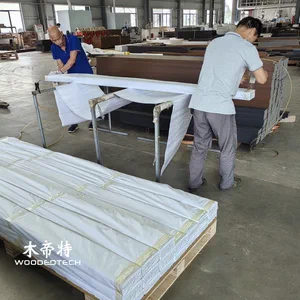 Top WPC Decking Manufacturers: A Comprehensive Guide for 2023 B2B Buyers
Related Products
 GD13820 M Shape Co Extruded Composite Deck Planks Feature a Special Profile Design for Distinctive Outdoor Decking Applications
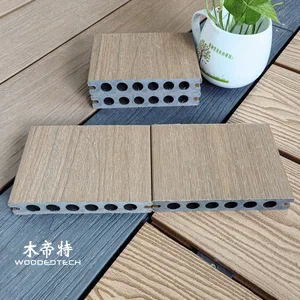 GD13823 Double Sided Flat Surface Co Extruded WPC Decking Features a Popular Width and Thickness with Round Hollow Structure
 GD13823-3 Composite Boards for Decking Are Available in Multiple Stock Colors with 3 Meter Lengths and Single Piece Delivery