
Best Practices for Composite Decking Installation Clips: A Comprehensive Guide for 2023
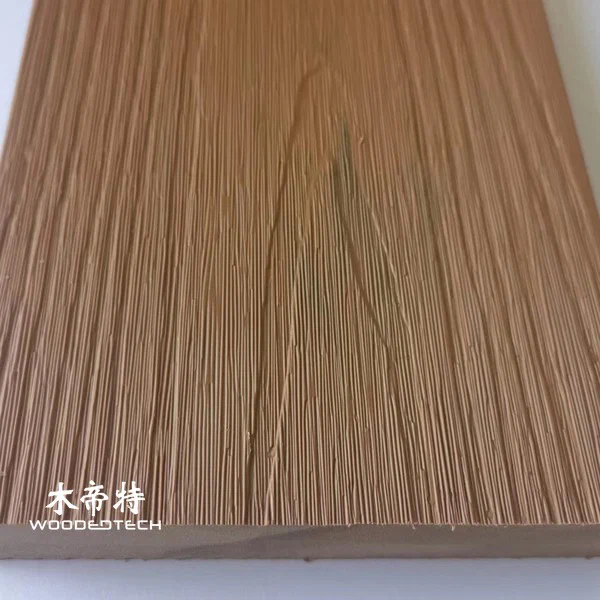
Installing WPC (Wood Plastic Composite) decking and wall cladding systems requires careful planning and execution to ensure a durable and aesthetically pleasing finish. This guide outlines the best practices for composite decking installation clips, including preparation, fixing methods, expansion gaps, cutting, and maintenance.
Subframe Preparation
The foundation of a successful WPC installation starts with a robust subframe. Begin by examining the installation area for any debris or irregularities that might affect the decking.
- Ensure the ground is level and compacted. If necessary, excavate to create a flat surface.
- Use pressure-treated timber or aluminum joists for the subframe, which will resist moisture and provide long-lasting support.
- Space the joists according to the manufacturer’s recommendations, typically 16 inches apart, to prevent sagging and ensure stability.
- Check for proper drainage to avoid water pooling under the decking. A slight slope of at least 1-2% away from any structures is ideal.
Fixing Methods
Once the subframe is ready, it’s time to install the WPC boards. There are several fixing methods to choose from:
- Hidden Fasteners: These clips are designed to secure the boards while keeping the surface free of visible screws. Install the clips at the edges of each board, ensuring they fit snugly into the grooves.
- Screws: If opting for visible fasteners, use stainless steel screws to prevent rusting. Drill pilot holes to prevent splitting and ensure a clean finish.
- Adhesives: Some WPC materials can be glued. However, ensure that the adhesive is compatible with WPC and follow the manufacturer’s instructions.
Expansion Gaps
WPC materials are subject to expansion and contraction with temperature changes. To accommodate this, it’s vital to leave expansion gaps:
- Maintain a gap of 1/4 inch to 1/2 inch between the boards and any fixed structures, such as walls or posts.
- For longer runs, additional gaps should be included to allow for thermal expansion.
- Always refer to the manufacturer’s guidelines for specific expansion gap recommendations.
Cutting
When cutting WPC boards, precision is key to achieving a professional look:
- Use a circular saw with a fine-toothed blade or a miter saw for clean cuts.
- Always wear safety goggles and a dust mask to protect yourself from debris.
- Measure twice and cut once to avoid wasting materials.
- Sand any cut edges to eliminate roughness, which can affect installation and aesthetics.
Maintenance Tips
To keep your WPC decking and wall cladding looking great, regular maintenance is essential:

- Clean the surface periodically with a mild detergent and water to remove dirt and debris. Avoid harsh chemicals that could damage the finish.
- Check for loose boards or fasteners and tighten or replace them as necessary.
- Inspect for signs of mold or mildew, especially in shaded areas. Use a soft brush or cloth for removal.
- Consider applying a protective sealant every few years to enhance the longevity and appearance of the WPC material.
Adhering to these best practices can significantly improve the quality and durability of your WPC decking and wall cladding installation. Proper preparation, installation techniques, and maintenance will ensure your project stands the test of time while providing an attractive outdoor space.
Related Articles
 Essential Guide to Composite Deck Board Installation: Best Practices for 2023
 Essential Guide: How to Care for Composite Deck for Longevity and Performance
 Essential Guide to Installing Wear Deck Composite Decking: Best Practices for 2023
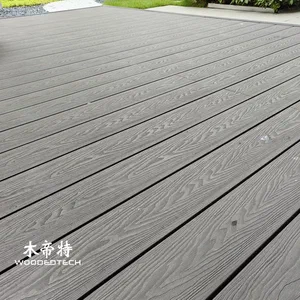 WPC Deck Installation for Creating Durable Outdoor Decking Areas in Gardens Patios and Commercial Spaces
Related Products
 GD13820 M Shape Co Extruded Composite Deck Planks Feature a Special Profile Design for Distinctive Outdoor Decking Applications
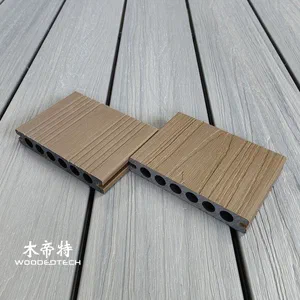 GD13823-3 Teak TK Co Extruded Decking Is a Popular Choice from Composite Decking Suppliers for Outdoor Flooring Projects
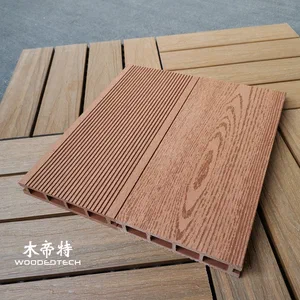 The Classic D14025-4 Red Wood WPC Wood Sheet Features a Timeless 2D Flat Wood Grain Design That Remains Popular After Twenty Years